| OCR Text |
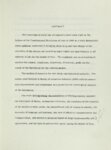
Show 35 The feudals gave the poor in their peasants area a small portion of the , commodities which they, meaning the peasants, produced for the feudals, thereby keeping these people constantly in their debt. However, during the Qajar dynasty due to their resulted in ever an existent battles with the some of the feudals became weak government and the tribes. increase in the number of small land and owners This independent farmers (Momeni, 1966:50). c. The Clergy: The clergy, "Mujtahids" and "Mullas". or The religious leadership, "Mujtahids" atives of the 'Hidden Imam" and held the were consisted of the accepted .highest ranking as the and most position in the ecclesiastical hierarchy of the Shiah sect of Islam. men were highly educated in The "Mu llas" who occupied generally conducted the education, power and The were matters. lesser role in the Shiah sect. religious' ceremonies, It but government W:;LS were in nature. history (Arasteh, 1969). laymen, was they they lacked exploited by-the religious leaders the educated people in their time, because in the Moslem mosques and the educational (Moslem holy book) among the These prestige and material possessions. completely religious Koran powerful prestige of the "Mujtahids". clergy (Moslem) the schools a the various The weakness of the who grew in power, theological represent- system was The students started their studies with the and Islamic laws, traditions, philosophy, and Certain of these clergy had power and prestige and in addition held positions in the king's court. In |