| OCR Text |
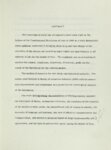
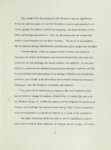
Show 110 into two opposing factions The 1965:88-95). clergy on In the 1965:S8-95). less a basic point in the Constitution, while the religious on on October 7, 1907, Iran springs from the official state religion people, consists of the month the Fundamental (Malekzadeh, 1961:209). was a state with the The Constitution states that but the king holds which Supplementary, unitary "sovereignity it in trust for them Assembly, temporal power may be exercised the Senate and the courts which adjudicate The The of the Asian-African Committee, The and expenditure, is king ... The juriciary upon all matters. courts established only by Judicial by law" (The Secretariat 1968:423). However, before the Constitution favored the Constitution, died. revenue was system of to all persons before the Law equality all matters, except over vested in the National a is Islam of the ,orthodox Ja'fari doctrine Constitution guarantees power in (Shajiee, 1906, the king gave his official the Fundamental Laws and the constitutional monarchy. legislative nature to the Constitution On December 30, to the Fundamental Laws Based ratified as a end, the clergy prevailed; Laws had been written. approval subject of religious equality (Shajiee, and the conservatives wanted to continue the Islamic laws and traditions intellectuals wanted the was This was on accepted widely, the king, January 8, 1907. who His son, Muhammad Ali, who reigned from 1907-1909, had been preordained by the deceased king to be his successor as 'Shah of Iran" (Razi, 1968). |