| OCR Text |
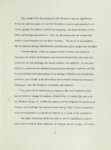
Show 15 2. only Norms. norms are Norms present no are more action is thus, guide human behavior; they 3. norms possible. are Norms, interpret values and, necessary for the realization of values. Mobilization of Motivation into Organized Action. by themselves necessary for action. cannot like values, if specific than values; but, specify the kind of Values and organization which But mobilization determines the agents is in the pur suit of values, how the action of these agents will be structured into role and organization, and how these agents will be sanctioned. 4. Situational Facilities. The last component of social action refers to and is involved in the means and obstacles which facilitate individual's attainment. awareness individual to influence and possibilities change of the situation and the situation. "The four basic components of social action, then ized ends, or behavior; (2) which are hinder the The situational facilities refer to the individual's of the limitations and the ability or are: (1) the general value, which provide, the broadest guides to purposive social the regulatory rules governing to be found in norms; the pursuit of these (3) the mobilization of individual energy achieve the defined ends within the normative framework. the individual person as SOCial-system level, we actor, goals, rules we If ask how he is motivated; if ask how motivated individuals are we consider we move organized as means; these include knowledge of the environment, to the into roles and organizations; (4) the available situational facilities which the actor utilizes to |