| OCR Text |
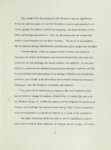
Show 96 These clergy, tried to ignore the, some who the people turned to .for leadership inequitable situation which existed, of them held positions in the government which existing conditions. In addition materialistic matters system does not great detail must be a to Looking regulate matters, due to the fact that helped bring about did not consider the people important subjects of consideration. as attempt .... they in all the and "The religious economic, political and social life in at this process another way, may say that there we differentiation between religion and ideology, between ultimate values and proposed ways in which these values may be put into effect. traditional prescriptive societies there is 1962:321). Therefore, the powerful clergy the situation in personal nor and did they private consider it through 'bast". people, the in their grievances (Kasravi, 1961). ant in same was king, two kinds of and leadership: generalizing the actually opposed government, and, existing prestige .they sympathize situation came beliefs, and (2) leadership which "leadership even, or go people be can (1) leadership which plays both functions and to from the with the organizing and mobilizing the participants for action. people performed (Smelser, But, their disagreements, the power and well that not movement, particularly in hostile outbursts, there distinguished formulating knew it were to criticize the Also, because their clergy such dtscrtmtnatton" seriously. matters with the foreign countries, impelled them In any no In a role in is import In Iran the in the realm of |