| OCR Text |
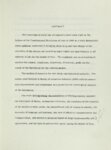
Show 147 sharing, not only sment and the high rate of had to content with taxation, drought was one and of misery. famine; he- was The subject peasant to haras by the governmental officers, the clergy, the tribal chiefs and thieves (Momeni, 1966). Other groups, - including the in semi-industrial factories and shopkeepers, merchants and employees 0f the workshops, handicrafters, trade-guilds, low-ranking clergy lived ditions not much better than that of the peasant. the government, or other authorities hard work, unlimited hours, poor were hours each even or were powerful people, if salary, self-empolyed in economic and con Those who worked for were they received without security, insurance and protection Those who government, laborers subject any at to all, and (Safavi, 1930). independent had to work long day and enlist the aid of the members of their family group, their young children, in order to obtain their most vital needs, to pay their taxes and to pay tribute to trouble makers and those 'with power (Mokhtari, 1947:6;"12). The tribes, who made up 30 percent of the did not exceed the above mention groups. into two hard and groups--nomadic population, economically The tribesmen tribes and settled tribes. were divided Both groups lived dangerous lives (Vreedland, 1957). These groups, of their economic save the illiterate and deprivation and ignorant peasants, they wanted a better life. were aware These pressures |