| OCR Text |
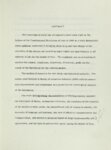
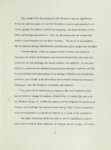
Show 95 The organization and mobilization of the society spread to the middle-class. The middle-class was described above because authority was with the poor and began to at the strongly opposed they did not have freedom protect them from injustice. core to the of the Revolution and It is not situations present as there any nor was strange that this group apparently sympathized with the lower-class. Because the lower-class did not have money, is clear that they would accept the leadership of the merchants, Asnaf and the poor clergy The middle range and poor numbered in this category. great wealth important clergy and feudalists. public who and this were or certain Some of the capitalists, relationships important clergy However, the number power new power, it in the Revolution. clergy had mid dle and lower-classes in Iran. not possess prestige ·or (Momeni, 1966). was small and The with the can be they did powerful and in or near' the court and close to the landowners But, most of them also kept their relationships with the placed them in the middle of those who opposed the Revolution. Generally" these clergy supported and those were conservative, their power' came from the, people but their money from the lands and upper-class. position to It may be disagree with concluded, therefore, that they the situation as were described thus far. not in a |