| OCR Text |
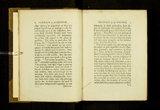
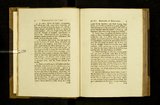
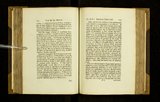
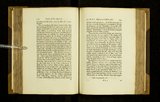
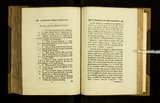
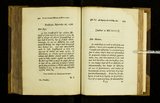
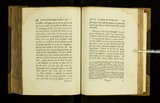
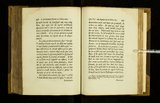
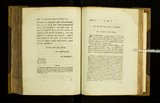
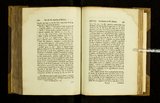
Show CANADA PAMI'IILET. 170 how? Why, plainly, (at length it comes out) ifthe [At B.T.] ‘T/Jr Colonic): ufeful M G. Britain. French are not left there to check the growth of more numerous than they now are on this ; But our colonies, " they will extend tliemielves almoft " without bounds into the inland parts, and in- " creafe infinitely from all cnules; becoming a " numerous, hardy, independent people ; poll " feHEd of a firong country, communicating lit- " tle or not at all with England, living wholly on " their own labour, and in procels of time know" ing little and enquiring little about the mother ivaii'i'wL : l l wv'i‘fiwwwvfi‘ ii‘ , ii: l " country." In thort, according to this writer, our prefentcolonies are largeenough and numerous enough ; and the French ought to be left in North America to prevent their increafe, [tfl they become not only ufelefs, but dangerous toBritain.-I agree with the Gentleman, that withCanada in our poffefiion, our people in America will increafe amaz- ingly. I know, that their common rate ofincreaf'e, where they are not molefted by the enemy, is doubling their numbers every twenty-five years, by natural generation only; exclufive of the accef- lion of foreigners ‘4‘. I think this increafe continu- ing, would probably in acentury more, make the * The reafon of this greater increafe in America than in Europe, is, that in old fettled countries, all trades, farms, oihces, and employments are full ; and many people refrain marrying till they fee an opening, in» which they can fettle themfelves, with a reafonable profpe€tof maintaining a family: but in America, it being eafy to obtain land, which with moderate labour will aflbrd vfubflf- tence and fomething to (pare, people marry more readily and earlier in life, whence arifes a numerous ofi'spring and the (wit: population of thofe countries. 'Tis aconnnon error that we cannot fill our provinces or increafe the number of them, without draining this nation of its people. The increment alone of our prefent colonies ls fufiicient for boththole tampons. [Written in "no. 12.] number 171 number of Britifh fubjec‘ls on that fide the water 4.. [ Noz‘ mar/(1.01 f/mz‘ 1/20 American colon/yr {fill/‘1! ceaé‘e being uteful [0 1179 mailer country. JLZI" pre erence over [be "(/2 [minus colonic; flirted. ] I (2712 fizr flow mterz‘rzzizz'flg on z'x'mz‘ account (my fmrr oftbrz'r dreaming cz'z‘lwr ufelefs or danger: our ta m; and I [oak alz f/Ja/i' fears 2‘0 [26 mere! Zizzrzgmary, and wit/Jolt: (my prohé/ufamzdzzlion .-y The Remarker is referved in giving his reafons as in his opinion this "is not a fit fubjeét for f‘ .dlf‘cuflion."--I {hall give mine, becaufe I con- ceive it a fubject necefiary to be diicufled - and the rather, as thofe fears, how groundlefs and chi- merical foever, may, by poflefliiig the multitude poflibly induce the ablef'r miniftry to conform to them againft their own judgment,- and thereby prevent the alluring to the Britifh name and nation a f'rability and permanency, that no man acquainted with hif'tory durf'c have hoped for till our American pofleflions opened the pleafing profpeétz The Remarker thinks that our people in America, " finding no check from Canada would " extend themfelves almolt without bouniis into :: the inlandrparts, and increafe infinitely from all caufes: [he very reafon he alligns for their f0 entendmg, and which is indeed the true one,‘ S‘tllfiirl'tilpiciting ‘d‘uliyited to it by the pleatirntneib, y n l cnty of the countrv, ) may fatlsfy us, that this extem'ion will continue to pl?)Z 2 ' ceed. |