| OCR Text |
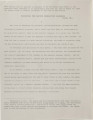
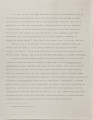
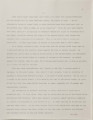
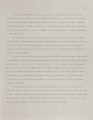
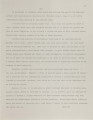
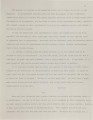
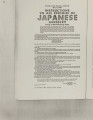
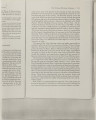
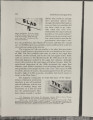
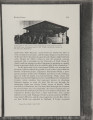
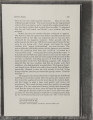
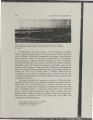
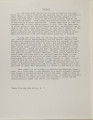
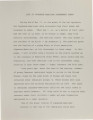
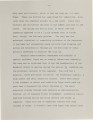
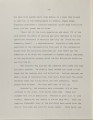
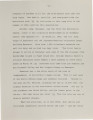
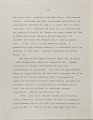
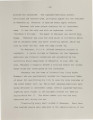
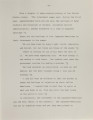
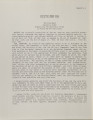
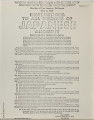
Show ifomia • ~ ---Pint 8bWI& : tloeeo ..u.~.. Pint .a.a.....&..; ..t.lo..e.e.o. ...... ..., .dquartcn. dated May 3. 194%. .n .-. 1 the aho.e area by U o'dodt aaa._ after 1% o'dodt D-, P. Y. T .. I rac::ataU'f"e Of the C,....m•ft'tifll Ge. r. f-uly, or m ca.. o1 pne ~- mily. 01' the rez- iD wDc.e----cl e 'l'ril Cootrol Sutioa to rccei'f"e fmtbcl' 011 M011day, May 4. 1M2, or bctweat ::.CUter, the foDowifll property: with the oame of the oWDCI' aad a1UIIhen!ll The .u.e md au.mber of pKbp ia lim- :~e A»embly Center. ~r the .to~ at the eole riJk of the ~· emz,e.. piaDoe aud other Leary taruitme.. .. ted, pecked md_plaUdy marked with the !lli by • P"en family. . ortatiou to the AMeD~bly Cent.er or wiD be !RnactiODI pertaillin« lO the DIOY~l wiD 1 of 8:00 A.M. and 500 P.M., 1:00 A.M. and 5:00P.M., :.ns. 1. L newrrr UeateDmt Geoenl. u. s. Army o-mandiDI The Wartime Relocation of japanese I 131 The American Friends Service Committee, the Quaker group with which I ~orked, did not believe the evacuation was necessary and protested it strongly. We tried, however, to help the evacuees in any way we could. We opened the largest of the hostels in Los Angeles in · February 1942 for evacuees from Terminal Island. Volunteers acted as advisors and helped arrange for the care of property. One of the evacuations was scheduled to leave from a park in a town where zoning prohibited Orientals. We tried unsucc~ssfully to find a church group which would contribute coffee or at least the facilities for making it, so volunteers rose at 3 a.m. in Pasadena, took buttered rolls and milk for the children, and quietly served the 600 departing by bus at 6 a.m. In the park the American Legion had a small hall with huge coffee pots which they gladly loaned for the next morning when another group was scheduled to leave . The evacuees loaded their possessions onto trucks. One efficient Quaker helped with this, packing carefully so nothing was left behind. Army officers were in charge to direct, not to serve, but the younger men caught the spirit of goodwill and helped lift children into the buses. NeighbC?rS and teachers were on hand to see their friends off. Members of other minority groups ~ept. One old Mexican woman wept, saying, "Me next. Me next." Order followed order in March. County fair grounds and horse racing courses were prepared as assembly centers to receive all persons of Japanese ancestry. The groups were to assemble at 5:30a.m. for 6 a.m. departures. The first to go were brought to the assembly areas by friends. The evacuees found it difficult to close their homes, arrange for their future care, and provide breakfast for their children so early in the morning. Certain church groups quietly arranged to serve hot coffee, bread, and rolls with milk for the children. In spite of rationing, the volunteers somehow provided butter as well as jam. An army-planned move does not always consider the needs of small children, nursing mothers and the very old. ·The Santa Anita Race Course was an assembly center near Los Angeles. I took my car to help with four very feeble old men from a home for the aged. As they were too weak or crippled to climb on a bus or army truck, I was allowed to add my car to the procession of buses to the assembly center. People were starting off to 7 o'clock jobs, watering their gardens, sweeping their pavements. Passersby invariably stopped to stare in amazement, perhaps in horror, that this could happen in the United States. People soon became accustomed to the idea, however, and many profited from the evacuation. Japanese mortgages were foreclosed and their properties attached. They were forced to sell property such as cars and refrigerators |