| OCR Text |
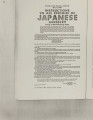
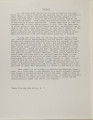
Show u rica 1urserymen and fishermen; ·ms or ranches all along the :first generation) emigrated :ten younger, having come hence there were a large 1ever married, as immigratission of more Oriental 1rned to Japan, where the for the better life in the :Janese citizenship and be r approached the age of 18 : known as "Kibei." There ely critical of the United can attitudes in Japanese ide and steady them. ity than their husbands to d express tnemselves aden- educated children spoke 1gs at home. Communica; ible, making the gap be- · of the Japanese leaders in ~ as usual, but Californians $ at Pearl Harbor were so tlifomia? The FBI immedi: i the fishermen who were bases. The Japanese Navy (ong and Singapore. With .ted in the United States. ~pta small over-night bag ttions were enforced. Chith Japanese, wore buttons alarms were rife. tad blocked out the coast, ncestry living on Terminal get Sound, to leave within interned, their wives felt 1nd Japanese opened their opened hostels where the with one of these hostels, 1ging some furniture and The Wartime Relocation of Japanese I 129 other possessions. There was very real solidarity in this group. Food supplies were pooled. Japanese truck farmers brought vegetables and for a remarkably low rate we were able to care for this large group for nearly four months. Many good Japanese traits helped. Their respect for authority and gratitude made discipline easy. They were accustomed to living simply and making good use of their limited resources. They shared the work in cleaning, cooking, laundering, and caring for the grounds. But their lack of respect for womanhood and the mothers' poor English made communication difficult in families whose father was interned. The older boys could not understand their mothers' concern. Since the older generation was denied American citizenship, it was only natural that they felt a deep loyalty to Japan. They were secretly pleased by Japan's strength and rapid advance. But they were even more pleased that the advance was south and west, not east of Hawaii. Their children on the other hand, were loyal Americans at heart and legally citizens; some were serving in the Army. The attack on Pearl Harbor left them broken-hearted. The Japanese living near Salinas, California were especially unfortunate. A number of Japanese draftees from that area were casualties of the attack on Pearl Harbor. Caucasian truck farmers were nonetheless resentful because Japanese farmers were often more successful than they. After Pearl Harbor there was public pressure demanding the internment of all Japanese, citizens and aliens alike. The first efforts to intern them resulted in hopeless confusion. Japanese were told they would get adequate warning if their evacuation was ordered, but the first order allowed only two days. Some tried to leave the West Coast voluntarily but few had a place to go. Some of those who left were refused service at gasoline stations, restaurants, and hotels. In the face of these difficulties many families gave up plans to go east. On the other hand, hundreds of Caucasians remained friendly and did all they could to be neighborly. Teachers were especially kind to Japanese children who attended public school up to the day of evacuation. One little Japanese girl was reported to have told a traffic policeman, "I won't be coming to school tomorrow. We have to go away. Father says 'If it wasn't for those damn Japs, we wouldn't have to go.'" Such sentiments were common. The children considered themselves Americans. Finally, the evacuation of the western half of the Pacific states was ordered. Each family was allowed to take what its members could carry, and their other possessions were to be stored in government warehouses, left with friends, or rented with houses and land owned by Japanese citizens. |