| OCR Text |
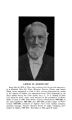
Show AMERICAN POSTS 29 AMERICAN POSTS (Continued) By EDGAR M. LEDYARD, President UTAH HISTORICAL LANDMARKS ASSOCIATION (Organized August 23,19291 Utah Historical Landmarks Association Museum 518 CHAMBER OF COMMERCE BUILDING, SALT LAKE CITY St. John the Baptist Fort. On the Rio del Norte River. New Mexico. St. John the Baptist Fort. On the west bank of the Rio Bravo River. Texas. St. Joseph, Fort. Near head of Illinois River. Illinois. St. Joseph, Fort. At New Orleans. Louisiana. St. Joseph, Fort. According to a tablet on a building 19 to 21 First Street, St. Louis, Missouri, a Spanish Expedition left that point on January 2, 1781, to attack Fort St. Joseph. At that time Fort St. Joseph was the nearest point where a British flag stood over a fortification. The expedition of the Spaniards was successful and the fort was captured. On Lake Michigan at mouth of St. Joseph's River. Michigan. St. Joseph's Fort. On St. Joseph's Bay. Florida. St. Leon, Fort. Built in 1812. At the English Turn, right bank of the Mississippi, below New Orleans. At Gretna, Plaquemines County. Louisiana. St. Louis de Carloretto, Fort. On the Natchitoches River. Texas. St. Louis de la Mobile, Fort. In Mobile County on Mobile River. Alabama. St. Louis, Fort. On Illinois River just north of Fort Crevecoeur in central Illinois. In existence in 1684. Located at Starved Rock, near Ottawa and Rockford. Illinois. St. Louis, Fort. At New Orleans. Louisiana. St. Louis, Fort. At Bay of Biloxi. Mississippi. St. Louis, Fort. Near Matagorda Bay. Texas. St. Mark, Fort. At Pensacola. Same as San Marco. Florida. St. Mark's Fort. Left bank of St. Marys River in Mercer County. Now a town of that name. Built by General Anthony Wayne. Ohio. St. Mary de Apalachee, Fort. At mouth of Ocklockonnee River. Florida. 30 THE UTAHT HISTORICAL QUARTERLY St. Mary, Fort. On east side of the Mississippi, six miles southeast of New Orleans. Louisiana. St. Mary's Fort. On St. Marys Strait. Michigan. St. Mary's Fort. At present site of town of that name. Ohio. St. Michael, Fort. The old trading post of St. Michael was founded by Tebenkof during the administration of Wrangell. When Whymper visited it, it was a central port for Indian trade and the collection of furs from distant interior posts, especially along the Yukon River. After it came into the possession of the United States, it was made a military post and two companies were stationed there for a time. Alaska. St. Michael, Fort. At Pensacola. Florida. St. Nicholas, Fort. Later called* Fort Kenai. Alaska. St. Nicholas, Fort. Built in 1688. Located at mouth of Wisconsin River. Wisconsin. St. Peter, Fort. On the Yazoo River. Mississippi. St. Philip, Fort. Right bank of the Mobile River, twenty miles above Mobile. Alabama. St. Philip, Fort. On left bank of the Mississippi, west side of Bayou Mardi Gras, at Plaquemine Bend, seventy-five miles below New Orleans and twenty-five miles above the mouth of the Mississippi; nearly opposite Fort Jackson. Louisiana. St. Philip, Fort. Right bank of Cape Fear River at Old Brunswick, eleven miles south of Wilmington. Later called Fort Anderson. North Carolina. St. Pierre, Fort. This fort was built by La Verendrye at the outlet of Rainy Lake in 1732. Fort Tekamaniouen was located on the same site or Fort St. Pierre was renamed a little later. This was followed by another fort built by the Hudson's Bay Company and called Fort Frances, in honor of the wife of Sir George Simpson, governor of the company from 1821 to 1860. Dr. John McLaughlin was one of the traders at this post which is commemorated by a town of the same name. William W. Warren indicates that he considered 1823 as the founding of an American Fur Company's post at the same site, at the outlet of Rainy Lake, but Major Stephen H. Long, who visited the post in 1823, does not indicate that it was a new post. There is some confusion in the literature regarding Rainy Lake post which seems to bear several names. It was an important post and a distribution point for trappers and traders. An American post was there, probably established soon after 1816. Minnesota. St. Simeons, Fort. Near Cape St. Elias. Alaska. St. Simon, Fort. Built in 1736. On south end of St. Simon's Island. Georgia. St. Stephens, Fort. On Tombigbee River, Washington County. Alabama. AMERICAN POSTS 31 St. Tommany, Fort. At mouth of St. Marys River. Georgia. St. Vincent, Fort. At Vincennes. Indiana. St. Vrain, Fort. This post was erected in 1838 at the confluence of the Cache de Poudre River with the Platte. St. Vrain was one of the owners of the Vigil and St. Vrain grant, a huge tract of land ceded to him by the Mexican government. Fort St. Vrain was on one of the well-worn trails of the fur companies and was one of the important fur trading posts erected in Colorado; the erection of such forts beginning with the building of Fort William by Bent in 1832. In 1843 Fremont visited the post and makes the following comments: "About noon, on the 4th of July, we arrived at the fort, where Mr. St. Vrain received us with his customary kindness, and invited us to join him in a feast which had been prepared in honor of the day. "Our animals were very much worn out, and our stock of provisions entirely exhausted when we arrived at the fort; but I was disappointed in my hope of obtaining relief, as I found it in a very impoverished condition; and we were able to procure only a little unbolted Mexican flour, and some salt, with a few pounds of powder and lead." Fort St. Vrain was the largest trading post on the South Platte and the third largest in the central west fur trading region; Fort Laramie and Fort Bent were the only two of greater size and importance. The Bent brothers owned this post jointly with St. Vrain. It stood on the old trail about half way between Fort Laramie and Fort Bent. Ten miles from Fort St. Vrain, Fremont reached what he called Fort Lancaster, now called Fort Lupton, built and occupied at that time, by Lieutenant Lancaster P. Lupton. There were well marked beginnings of argiculture at Fort Lancaster (Lupton) when Fremont passed through this country in 1843, but none at St. Vrain. Colorado. Saleesh House. This Northwest Fur Company post was built by David Thompson in October, 1809. Montana. Salonga, Fort. Now town of that name. Suffolk County. New York. Sam Houston, Fort. This post was established in 1865 as an official U. S. army post at San Antonio, Texas. It occupies a reservation of four hundred sixty-nine acres near the city of San Antonio and is an important strategic point on the southern frontier. In 1914 it was garrisoned by a regiment of cavalry and three batteries of field artillery. Colonel Albert Sidney Johnston, General Robert E. Lee, General George H. Thomas, General W. H. Carter, General Henry T. Allen and many noted soldiers have been stationed here. The Alamo, in reality a group of buildings surrounded by a strong wall within the limits of San Antonio, was formerly the Franciscan Mission, San Antonio 32 THE UTAH HISTORICAL QUARTERLY de Valera, erected about 1718. It was used as a fortification by the Texans during the struggle with Mexico. The Alamo was besieged from February 23 to March 6, 1836, and on the date last named, the Mexicans gained entrance. Lieutenant Colonel William B. Travis, James Bowie, David Crockett and James Butler Bonham lead a hand-to-hand encounter. These men and all but six Texans were killed, the last named were treacherously massacred the same day after they surrendered. In 1718, thirty soldiers were sent by the Spanish government to the San Antonio Mission to protect the Fathers who were working there. These men comprised the first military organization regularly stationed near Fort Sam Houston. Texas. Sampson, Fort. Near Petersburg. Virginia. Sanders, Fort One of the defenses of Knoxville, Tennessee, west of the city and north of the Holston River. Built during the Civil War. Tennessee. Sanders, Fort. This fort was established June 23, 1866, by Lieutenant Colonel H. M. Mizner of the 18th Infantry. A railroad station of the same name was later built six and one-half miles distant. Most of the post buildings were made of logs, several of stone and one of ordinary frame material. About two and one-half miles south of Laramie on highway to Denver. Marked with granite tablet; some of the old buildings are standing. This post was first called Fort John Buford. Wyoming. Sanderson, Fort. Temporary post near Garey's Ferry; established in Florida War. Florida. Sanford, Fort. On Des Moines River, sixty-five miles west of Fort Madison. Iowa. Sandhocken, Fort. Same as Fort Casimir. Delaware. Sandusky, Fort. Old French Fort. Site of present city of Sandusky, on left bank of the Sandusky River. Ohio. Sandy Hook, Fort. Northern end of Sandy Hook. New Jersey. Sandy Lake Post. Near Sandy Lake; built by Northwestern Fur Company in 1794. It continued as an important post until 1812. As late as 1833 it was occupied by traders as a rival post of the American Fur Company. Minnesota. San Jacinto, Fort. On the east end of Galveston Island, a subpost of Fort Crockett. Galveston. Texas. San Jose, Fort. On San Francisco Harbor. California. San Lorenzo, Fort. The King of Spain built a wooden castle at the mouth of Chagres River about 1619; this fortification was named Fort San Lorenzo. In 1670 Sir Henry Morgan attacked this fort, with a garrison of three hundred and fourteen men. The fort fell after all but thirty men were killed. Canal Zone. San Luis, Fort. An important post two miles east of the AMERICAN POSTS 33 present site of Tallahassee. This post was attacked in 1702 by English troops under Governor Moore of South Carolina; the Spanish commander, Don Juan Mexia, and about half of his men were killed. The fort was destroyed. Florida. San Marco, Fort. (St. Mark.) Same as Fort Marion at St. Augustine. In 1638 a war broke out between the Spanish at St. Augustine and the Apalache Indians of the interior. San Marco was an inferior post at that time with a small garrison,' but the Spaniards drove the Indians back into their own territory. The Spaniards then pursued a plan of retalliation, captured a large number of Indians and forced them and their descendants to work for sixty years on this post, which is almost as intact today as when it was built. The material used in its construction was coqiiina, obtained from Anastasia Island. The fort sustained two sieges and many attacks but was never taken. Florida. San Saba, Old Fort. On San Saba River in Menard County. Texas. Santa Clara, Fort. In 1853 Jacob Hamblin and other Mormon pioneers established Santa Clara on the Santa Clara River near St. George. The fort was built as a protection against Indians. Washington County. Utah. Sarasto, Fort. On Hudson River; also called Fort George. New York. Saratoga, Fort. One of the Civil War defenses of Washington, north of the Potomac. District of Columbia. Saratoga, Fort. At Saratoga. New York. Sarpy, Fort. From 1850 to 1855. Right bank, Yellowstone River, Yellowstone County. Montana. Saskatchewan, Fort. Alberta. Canada. Saulsbury, Fort. Six and one-half miles east of Milford. Delaware. Saunders, Fort. Four miles southeast of Clinton. Kansas. Saunders, Fort. At Louisville. Kentucky. Savannah, Fort. At Savannah. Georgia. Savannah, Fort. Also called Camp Union. West Virginia. Saybrook, Fort. On Tomb Hill, mouth of Connecticut River. Connecticut. Sayer's House. Northwest Fur Company. Minnesota. Scammel, Fort. House Island, Portland harbor, opposite Fort Preble. Maine. Scarborough, Fort. At Black Point. Maine. Schenectady, Fort. Near Schenectady. New York. Schloper, Fort. Near the falls of the Niagara. Canada. Schlosser, Fort. On waterway between Lakes Erie and Ontario near Fort Niagara, on right bank of the Niagara River, above the Falls; about one^half.mile west of the mouth of Gill 34 THE UTAH HISTORICAL QUARTERLY Creek; now obliterated. New York. Schofield Barracks. On the island of Oahu, about twenty-five miles from Honolulu. Hawaii. Schullsburg, Old Fort. Wisconsin. Schuyler, Fort. At Throg's Neck north side of junction of East River with Long Island Sound; three miles from Westchester. Work on this fort was begun in 1833 but the post was not established until 1856. The reservation comprises fifty-two acres. In 1914 the post was garrisoned with a detachment of coast artillery. New York. Schuyler, Old Fort. At Rome. New York. Schwartz, Fort. Near Milton. Pennsylvania. Scott, Camp. About three miles from Fort Bridger, in the Valley of Black's Fork of Green River. Winterquarters, Johnston's Army. Wyoming. Scott, Fort. Latitude 30° 45'; longitude 85°. Florida. Scott, Fort. Right bank of Flint River, four miles above the mouth of Spring River. At Faceville, Decatur County. Georgia. Scott, Fort. About three miles west of the Missouri State line on the right bank of the Marmiton (Marmaton) River, Bourbon County. Some of the old barracks still in existence in 1918. Now town of same name. Kansas. Scott, Fort. See Plattsburg Barracks. New York. Scott, Fort. Near mouth of Scioto River. Ohio. Scott, Fort. At Four Mile Creek. Virginia. Scott, J. J., Camp. Near the Rio Grande, twenty-eight miles northwest of Eagle Pass. Texas. Scott, Martin, Fort. North of Fredericksburg, on Baron's Creek of Perdinales River, tributary of the Colorado. Texas. Scott, Winfield, Fort. On San Francisco Bay; part of Presidio reservation, San Francisco. California. Scott, Winfield, Fort. Near Yorktown. Virginia. Screven, Fort. Eighteen miles southeast of Savannah, on Tybee Island. Georgia. Searle, Fort. Temporary post, six miles east of Picolata, on the St. John's River; established during Florida War. Florida. Sedgwick, Fort. This fort was established May 19, 1864. It was located in the northeast corner of Colorado Territory on the south side of the South Platte River (four miles distant), on the old emigrant and stage road to Colorado. It was named after Major General John Sedgwick. Colorado. Sedgwick, Fort. One of the works constructed before Petersburg during the siege; also called Fort Hell. Virginia. Selden, Fort. Louisiana. Selden, Fort. Left bank of the Rio Grande, eight miles from Dona Ana, Dona Ana County. New JMexico. AMERICAN POSTS 35 Selkirk, Fort. At the junction of the Louis River and the Pelly (now called Yukon) River. This post was also known as Mr. Campbell's Fort. Built by the Hudson's Bay Company and abandoned because it did not pay. Later burned by Indians. On site of present town of Selkirk, Yukon. Canada. Selkirk's Fort. In existence from 1812 to 1823; same as Daer's Fort. North Dakota. Seneca, Old Fort. Stockade built in 1812, left bank of Sandusky River, nine miles north of Tiffin. Seneca County. Ohio. Seraf, Fort. At Mobile Point. Alabama. Severn, Fort. At Annapolis, on the right bank of Severn River. Now United States Naval Academy. Maryland. Sewall, Fort. At Marblehead, west entrance to Marblehead Harbor (Old Fort Head). Massachusetts. Seward, Fort. On the Eel River, sixty-five miles southeast of Fort Humboldt. Site of old fort now occupied by a land company. One of the old buildings standing in 1924. Humboldt County. California. Seward, Fort. Near headwaters of James River; first named Fort Cross. Eldridge, Stutsman County. North Dakota. Seward, Fort On Bay Point. South Carolina. Seward, Wm. H., Fort. See William H. Seward Fort. Alaska. Seybert, Fort. Pendleton County, on Moorefield River; now town of that name. West Virginia. Shackleford, Fort. Temporary post in Florida War; outskirts of Big Cypress Swamp. Florida. Shatter, Fort. Kahuaiki, Kona District, about three miles from Honolulu on the Island of Oahu. Hawaii. Shallowbag Bay, Fort. On Roanoke Island. North Carolina. Shannon, Camp. Subpost of Camp Furlong. In the southwestern part of New Mexico, twenty-five miles west of Herman-as. New Mexico. Shannon, Fort. At Palatka. Florida. Shattucks, Fort. At Hinsdale. New Hampshire. Shaw, Fort. Built in the fifties; on Sun River, eighty-three miles north of Helena; first named Camp Reynolds. Cascade County. Montana. Shaw, Fort. At Wilmington. North Carolina. Shaw, Fort. Near Charleston on Morris Island. South Carolina. Shawnee, Fort. Near Plymouth. Built in 1776 and destroyed by flood in 1784. Pennsylvania. Shawnee, Fort. Mouth of Kanawha River. West Virginia. Shelby, Fort. On present site of Rock Island Arsenal. Illinois. Shelby, Fort. When Detroit was founded in 1701 by the 36 THE UTAH HISTORICAL QUARTERLY French adventurer, Antione de la Mothe Cadillac, he erected a fort called Fort Ponchartrain which was occupied by a small military garrison, a few fur traders and Jesuit missionaries. In 1763 Detroit passed into the hands of the British and the Indians under Pontiac attempted unsuccessfully to exterminate the garrison. In 1778 Fort Ponchartrain was removed and a new fort called Fort NeNoult was built which occupied the square bounded by the present Lafayette Avenue, Congress Street one line a little east of Shelby Street and another west of Wayne Street; heavy stockades extended to the river. In 1796 Detroit was turned over to the United States. On August 16, 1812, General William Hull surrendered the fort and city to General William Brock. In 1813 the city and fort was recovered by the United States and the name of the post was changed to Shelby; in 1827 the fort was abandoned by the government and the earth forming its embankments used to fill low places near the river. Michigan. Shelby, Fort. At Prairie du Chien. Wisconsin. Shepherd's Fort. At Wheeling. West Virginia. Sheppard, Fort. In British Columbia near Washington state line. Now a town same name. Canada. Sheridan, Camp. Name changed to Fort Yellowstone. Wyoming. Sheridan, Fort. North of Chicago about forty miles. The site of this post was given to the government by citizens of Chicago in 1886; post established in 1887. The reservation comprises 632 acres. It was named after Lieutenant General Philip H. Sheridan. It is an important army post, located along a beautiful drive, north of Chicago, near Highwood. Illinois. Sherman, Fort. This post was established by an order of the War Department November 24, 1911, order number 153. It was named in honor of General William T. Sherman and first occupied by General William E. Cole; on May 30, 1914. English buccaneers fought with the Spanish for possession of this country. Near the site of Fort Sherman is Old Fort San Lorenzo. Three miles from Cristobal. Canal Zone. Sherman, Fort. At Coeur d'Alene; first called Fort Coeur d'Alene. Some of the buildings standing. Idaho. Sherman, Fort. At Hiltonhead. South Carolina. Sherman, Fort. At Chattanooga. Tennessee. Sherman, Fort. On the Big Cypress, Titus County. Texas. Sherrard, Fort. Florida. Sherrills, Fort. On Little River, near Ogeechee. Georgia. Shield's Fort. Six miles from Flannastown. Pennsylvania. Ship Island, Fort. On the western end of Ship Island, on Mississippi Sound; twelve miles from Biloxi. Also called Fort AMERICAN POSTS 37 Massachusetts. Mississippi. Shippen, Fort. Near Hannastown. Pennsylvania. Shirley, Fort. At Dresden. Maine. Shirley, Fort. At Heath. Massachusetts. Shirley, Fort. In Huntingdon County; present site of Shir-leysburg. Pennsylvania. Shullsburg, Old Fort. Built during the Black Hawk War, Lafayette County. Wisconsin. Shunk, Camp. Twenty-five miles southwest of Camp Floyd. Utah. Sidney, Fort. Near Sidney. Nebraska. Sidney, Fort. At Richmond. Virginia. Sidney Johnston, Fort. At Mobile. Alabama. Siguenza, Fort. On Santa Rosa Island. Florida. Sill, Fort. Built in 1870 to protect western trails in earlv days. Formally established in 1871. From 1871 to 1905 Fort Sill was a noted post on the southwest frontier, in a hostile Indian country. Geronimo operated around this post. Captain Marcy explored the surrounding section in 1852. In 1911 a school of fire for field artillery was established there. Usually five batteries for field artillery form the garrison and it is also the headquarters for field artillery. Six miles north of Lawton at junction of Medicine Bluff and Cache Creeks; first called Camp Wichita. Oklahoma. Simcoe, Fort. 1855-59. Simcoe Valley, midway between the Topinish and Simcoe, on Yakima Indian Reservation; now town of that name, Yakima County. Washington. Simmons, Fort. Temporary post on the left bank of the Caloosahatchie River about forty miles from Fort Dulaney; established in Florida War. Florida. Simmons, Fort. One of the defenses of Washington, D. C, north of Potomac, near Tennallytown. Maryland. Simon Drum, Fort. In Monroe County. Florida. Simon, Fort. See St. Simon. Georgia. Simpson, Fort. Built by Peter Skeen Ogden and Donald Manson under the direction of John McLoughlin at the mouth of the river Nass in 1831. Named for Lieutenant Simpson of the British Royal Navy. Canada. Sinclair, Fort. On right bank of Hudson, longitude 32.31 west; latitude 43.15 north. New York. Sinipee, Fort. On Mississippi River, southwest part of state. Wisconsin. Sinquefield, Fort. Between Alabama and Tombigbee Rivers, central part of Clarke County. Alabama. Sisseton* Fort. On Kettle Lake; first called Fort Wads-worth. North Dakota. Sisseton, Fort. Roslyn, Marshall County. South Dakota. 38 THE UTAH HISTORICAL QUARTERLY Sitka, Fort. The beginnings of Fort Sitka were laid on May 25, 1799, when Baranof landed on a point called Old Sitka about six miles north of the present town of Sitka. The Kolosh Indiana in that region were hostile. In 1800 a fortified blockhouse was built and named after the arcangel, Mikhail. Twenty-five Russians and fifty-five Aleutian hunters occupied the first fort which was soon enlarged by the addition of blockhouses and palisades. In June (about the 24th) 1802, the Kolosh rose against the garrison and massacred and killed all found in the fort. The loss of Fort Sv. Mikhail was a great loss to the Russians. Sitka was recaptured in the period 1803 to 1805. On Friday, October 18, 1867, Captain Alexei Pestchourof, Russian Commissioner and General L. H. Rousseau, United States Commissioner, landed at Sitka; the Russian flag was pulled down and the Stars and Stripes raised. In later years the fortification was called the Castle of Sitka. Alaska. Skagway, Fort. Near Dyea and near Haines. Alaska. Skedaddle, Fort. Facetious name for a post. On Munson's Hill. Virginia. Skenesborough, Fort. At Lake Champlain; present site of Whitehall. New York. Slaughter, Fort. Established in 1856 by the United States Regulars on Muckleshott Prairie near Puget Sound; one of several posts erected during the Indian Wars of 1856-58. Washington. Slemmer, Fort. One of the defenses of Washington, north of the Potomac, one-half mile east of Soldiers' Home. District of Columbia. Slocum, Fort. One of the defenses of Washington, north of the Potomac, three miles north of Washington City. District of Columbia. Slocum, Fort. On David's Island, two miles southwest of New Rochelle, located on Long Island Sound. The armament consists of mortars and rapid-fire guns. Also a recruit depot New York. Slongo, Fort. Near present site of Smithtown. New York. Slucher Fort. One mile above Niagara Falls. New York. Smallwood, Fort. At Rockpoint, eleven miles southeast of Baltimore. Maryland. Smith, Camp C. F. On White Horse Creek, near the Pueblo Mines, about eight miles southeast from Camp Alvord. Oregon. Smith, Fort. This post was one of four famous ones on the "frontier," others being Leavenworth, Scott, and Gibson. A military post was established at Belle Point in 1817. In 1818 the name was changed to Fort Smith. The original fort consisted of large blockhouses surrounded by a stockade as a protection AMERICAN POSTS 39 against Indians. When the boundary of the states was moved forty miles farther west Fort Smith was discontinued and Fort Gibson was erected on the frontier. In 1837 Congress directed the Secretary of War to erect a new fort on the site of the original Fort Smith. Three hundred acres were purchased from John Rogers, a new stone fort was erected and a national cemetery located. During its construction, Captain Belknap erected temporary works giving them the name of Fort Belknap. Troops occupied Fort Smith in 1842. Among the officers stationed there have been Jefferson Davis, Zachary Taylor, General Arbuckle, Winfield Scott Hancock, B. L. E. Bonneville, and others. Washington Irving wrote "Tour of the Prairies" and Henry M. Stanley taught school there. It was the scene of operations during the Civil War. Later the buildings were used for court purposes- Judge Isaac Parker's famous court was held for a time in one of the old buildings-some of the old buildings still in use (1923). Now a city of same name. Bonneville is buried at Fort Smith. On the right bank of the Arkansas, at the mouth of Poteau River, Sebastian County. Arkansas. Smith, Fort. Alberta. Canada. Smith, Fort. Near Fort Fisher. North Carolina. Smith, C. F., Fort. In existence from 1866 to 1868. This post was established in 1866 by Brevet Lieutenant Colonel N. C. Kinney, Captain 18th Infantry, who had with him two companies of that regiment. The fort was at the foot of the Big Horn Mountain, on the right bank of the Big Horn River, ninety miles from Fort Phil Kearny and three hundred eighty miles from Cheyenne and about eight miles above the mouth of Rotten Grass_ Creek. It was abandoned in July, 1868. This post was one of four forts established in the northern Powder River country for the protection of white men against the Indians. The Indians protested against the occupancy of this country and the Government made a treaty yielding up to the Indians the whole country north of the North Platte River, the Black Hills included, and abandoned the posts to the Indians. Afterwards gold was discovered and it was practically impossible to prevent parties from going to the Black Hills. Montana. Smith, C. F., Fort. One of the defenses of Washington, D. C, south of Potomac, near the Aqueduct Bridge. Virginia. Smith, Huntington, Fort. At Knoxville. Tennessee. Smith, J. R., Fort. Florida. Snelling, Fort. Florida. Snelling, Fort. On right bank of the Mississippi, north side of the mouth of the St. Peter's, formerly Fort St. Anthony. Date of first work in vicinity, 1819. This post was established by Lieutenant Colonel Henry Leavenworth and was called "Can- 40 THE UTAH HISTORICAL QUARTERLY tonment New Hope." In 1820 camp materials were transported across the river, the new camp being called "Camp Coldwater." At this post construction work on the new fort was begun which was called "Fort Saint Anthony." A general order was issued on January 7, 1825, changing the name to St. Anthony or Snelling. This post protected early settlers in the northwest country. Named in honor of Colonel Josiah Snelling. The reservation comprised 1,531 acres. In 1914 Fort Snelling was garrisoned by a battery of field artillery but there were accommodations for a larger body of troops. Five and one-half miles southwest of St. Paul. Minnesota. Snyder, Fort. One of the defenses of Washington, east of Giesboro Point. District of Columbia. Souris, Fort. Built by X. Y. Company. Canada. South Fort. There were twa forts in Salt Lake City, one called North Fort and the other South Fort. North Fort, built upon the arrival of the pioneers, occupied the present site of Pioneer Square. A little later a fort was built immediately to the south separated by a wall and occupied by later arrivals; this was called South Fort. Utah. South Ottawa, Fort. Built during the Black Hawk War. Now town of same name, La Salle County. Illinois. Southworth, Fort. Near Louisville. Kentucky. Spanish, Fort. Left bank of Apalache River, near its mouth, at Mobile Bay, about seven miles due east from Mobile. Alabama. Spanish Fort. Same as Fort St. John. Louisiana. Sparks' Fort. Near Burn's Ford. Built prior to 1776; obliterated. Fayette County. Pennsylvania. Spinola, Fort. Near Newbern. North Carolina. Spokane, Fort". Also called Spokane House and "lower settlement." Built in 1810 by Finan McDonald and Jaques Raphael Finlay. This post was located at the mouth of the little Spokane River. According to Alexander Ross there were attractive buildings, one of which boasted a ballroom. There were also fair damsels, fine horses and a race track. John Work dismantled Spokane House in 1826 which was re-established as Fort Colville. Spokane House was the first distributing center for the upper Columbia region. Washington. Spring, Fort. Pisgah, Fayette County. Kentucky. Spring, Fort. Greenbrier County. West Virginia. Spring Rock, Fort. Chloride, Yavapai County. Arizona. Springs Green, Fort. De Soto County. Florida. Spunky, Fort. Southeast corner of Hood County. Texas. Stager, Fort. Also called Fort Kispyox. "On the left bank of Kispyox, or Collins River, near the mouth of Babine River."- AMERICAN POSTS 41 Bancroft. Canada. Stalnaker, Fort. One of a chain of "Forest Castles" erected by early settlers in the Old Southwest. Fort Stalnaker was built by Samuel Stalnaker on the Middle Fork of the Holston. Virginia. Standing Stone, Fort. Built in Huntingdon County in 1762 at the junction of Achsinnink (Standing Stone) Creek and the Juniata River, in a somewhat hostile Indian country, first traversed by Conrad Weiser in 1748. Huntingdon which occupies the site of Standing Stone Fort was called Stone Town for many years. Pennsylvania. Standish, Fort. At Saquish Head, northern entrance to Plymouth Harbor, a little west of Fort Andrew. Massachusetts. Standish, Fort. On Lovell's Island in Boston Harbor, seven miles from Boston; subpost of Fort Strong. Massachusetts. Standoff, Fort. Erected in 1870. Canada. Stanford, Fort. First called Fort Arivaypa; name later changed to Fort Breckenridge. Arizona. Stanley, Camp. Subpost of Fort Sam Houston, twenty-four miles northeast of San Antonio, near Leon Springs, on Guadalupe River. Texas. Stanley, Fort. Florida. Stanley, Fort. One of the defenses of Knoxville, south of the Holston River. Tennessee. Stansbury, Fort. Temporary post on the left bank of the Wakulla River, nine miles above St. Marks; established during Florida War. Florida. Stanton, Fort. One of the defenses of Washington, east of the Eastern Branch, near Uniontown. District of Columbia. Stanton, Fort. Right bank of Rio Bonita River, twenty miles east of White Mountains, at Capitan, Lincoln County. New Mexico. Stanwix, Fort. French Fort, located on the Mohawk River, present site of Rome. On account of its position on the watershed it commanded the principal line of communication between New York and Upper Canada. Sir William Johnson negotiated a treaty here with the Indians (Six Nations) in the fall of 1768. It was rebuilt in 1776 and named after General Philip Schuyler. In 1777 it sustained a siege against combined forces under St. Leger. The fort was destroyed in 1781 and later rebuilt as Fort Stanwix. In 1784 Oliver Solcott, Richard Butler and Arthur Lee acted for the Continental Congress and negotiated an important treaty here with the Six Nations. Schuyler. New York. Star, Fort. Erected at Augusta in 1781. Georgia. Star, Fort. Same as Fort McHenry. Maryland. Stark, Fort. Three miles from Portsmouth, at Jerry's Point; 42 THE UTAH HISTORICAL QUARTERLY subpost of Fort Constitution. New Hampshire. Starke, Fort. Temporary work at the mouth of the Manatee River; built in Florida War. Florida. Starved Rock, Fort. This noted post stood on a remarkable natural curiosity near Utica, La Salle County, Illinois. It was built by Tonty who used the first coal discovered in the New World in his forge. Starved Rock was one of the sixty American posts built by the French on which they based their claims to New World possessions. Tonty's Fort was named Fort Louis du Rocher. During the Pontiac War it was the refuge of Indians who were besieged and exterminated through hunger; hence the name. Illinois. State Corner, Fort. At Cumberland Gap. Tennessee. Statler's Fort. A pioneer fort in the vicinity of Clarksburg, West Virginia. Built as a protection against Indians in the latter part of the 1800's. West Virginia. Steadman, Fort. Short distance east of Petersburg; built during the siege. Virginia. Stearman, Fort. A Civil War defense of Knoxville. Tennessee. Steel, Fort. Three miles east of Mercersburg. Pennsylvania. Steele, Fort. British Columbia. Canada. Steele, Fort Fred. This post was established June 30, 1868, on North Platte River, by four companies of the 30th Infantry under the command of Brevet Colonel R. I. Dodge, major of the 30th infantry. When the posts in the Powder River Country were abandoned a great portion of the military stores were hauled from these abandoned posts and stored in Fort Fred Steele. Fort Fred Steele was 5.8 miles west of Walcott and two miles east of Benton City. From Fort Fred Steele, Major T. T. Thornburg was sent out to quell the Ute Indian uprising at Meeker, Colorado, in 1877. His command was ambushed in the Colorado mountains and 13 men were killed and 43 wounded. Now town of that name, Carbon County. Wyoming. Steilacoam, Fort. This post was built in August, 1849, by a company of artillery under the direction of Governor Joseph Lane during the campaign against the Cayuse Indians following the murder of Marcus Whitman and his associates. Washington. Stenix, Fort. Same as Stanwix. New York. Stephens, Fort. Right bank of Alabama River, above Mobile. Alabama. Stephens, Fort. South side of the head of "South Pass Man-chac" at Lake Maurepas. Louisiana. Stephens, Fort. At Bailey, Lauderdale County. Mississippi. Stephens, Fort. At Newbern. North Carolina. Stephens, Fort. At Drury's Bluff. Virginia. AMERICAN POSTS 43 Stephenson, Fort. At Newbern. North Carolina. Stephenson, Fort. Lower Sandusky, on left bank of Sandusky River; fifteen miles from its mouth; defended by Croghan in 1813. City of Fremont now stands on the site of Fort Stephenson. Ohio. Steuben, Fort. Right bank of Ohio River, at site of Steu-benville. Now obliterated. Ohio; Steuben, Fort. Present site of Jeffersonville. Ohio. Stevens, Fort. One of the defenses of Washington, near Toll-gate of Seventh Street Road. See Fort Massachusetts. District of Columbia. Stevens, Fort. Established in 1853. Montana. Stevens, Fort. New Mexico. Stevens, Fort. At Hallet's Point, "Hell Gate," East River. New York. Stevens, Fort. Opposite Fort Canby, at mouth of Columbia River at Point Adams, commanding south entrance to the Columbia. Fort Stevens was established in 1864. The reservation comprises 1,250 acres. In 1914 the post was garrisoned by three companies of coast artillery. Oregon. Stevens, Fort. One of the defenses of Beaufort; erected during the Civil War. South Carolina. Stevenson, Fort. At Stevenson. Alabama. Stevenson, Fort. In existence from 1867 to 1882. Left bank of Missouri River, seventy miles above Bismarck; also near Coal Harbor ("Coleharbor"). McLean County. North Dakota. Stewart, Fort. Ontario. Canada. Stewart, Fort. Founded in 1854; on Missouri River at mouth of Big Muddy Creek. Same as Fort Kipp. Montana. Stikine, Fort. On Stikine River. Alaska. Stirling, Fort. At Brooklyn Heights. New York. Stockton, Fort. At Comanche Spring, on the Comanche Trail, eighty-four miles from Fort Lancaster, Pecos County. Texas. Stoddard, Fort. On Mobile River, Washington County. Mississippi. Stoddard, Fort. Right bank of Alabama River, four miles south of its junction with the Tombigbee River; northeast section, Mobile County. Alabama. Stokeley's, Fort. This blockhouse was built on Nehemiah Stokeley's farm during the Revolutionary War; it was frequently a refuge for settlers. The walls were two-storied, the roof shingled and fastened with handmade nails. The blockhouse was located on Sewickley Creek abovit one-half mile from Waltz's Mill. Pennsylvania. Stone, Fort. This fort, also known as Prince of Wales Fort, stood on the left bank of and near the mouth of the Church 44 THE UTAH HISTORICAL QUARTERLY Hill River. Stone Fort and Fort Garry were important posts of the Hudson's Bay Company. Stone Fort had high irregular stone walls twenty-seven feet thick and mounted forty guns. It was built as a protection against rival white fur traders. It was demolished by the French in 1799 but was rebuilt a little later. Canada. Stone, Fort. Northwest Fur Company. Canada. Stonewall, Fort. At Choctaw Bluff. Alabama. Stony Point, Fort. On Hudson River. New York. Story, Fort. Eighteen miles northwest of Norfolk, at Cape Henry. Virginia. Stout's Fort. In St. Charles County. Missouri. Stradler's Fort. West Virginia. Strong, Fort. On an island in Boston Harbor, five miles from Boston, located on the east end of Long Island. The garrison usually consists of four companies of coast artillery. Connected with Fort Strong as a subpost. Massachusetts. Strong, Fort. Near Wilmington. North Carolina. Strong, Fort. On Morris Island. South Carolina. Strong, Fort. One of the defenses of Washington, D. C, north of Potomac and a mile west of Aqueduct Bridge; formerly Fort De Kaib. Virginia. Strother, Fort. Temporary post in Creek War, right bank of the Coosa River, at the mouth of Bridge Creek, below the "Ten Islands." Alabama. Sublette-Campbell Post. Erected in 1818 on right bank of Missouri River. Near Fort Teton. South Dakota. Sugar House, Fort. At Charleston. South Carolina. Sullivan, Fort. Temporary post established during Florida War ,left bank of a small stream, tributary of Hillsboro River, southeast of Fort Foster. Florida. Sullivan, Fort. Commanding south and east entrance to East port Harbor. Maine. Sullivan, Fort. On Trepethen Island. New Hampshire. Sullivan, Fort. At Elmira. New York. Sullivan, Fort. On Roanoke Island. North Carolina. Sullivan, Fort. At Athens, Bradford County. Pennsylvania. Sullivan, Fort. In Charleston Harbor. South Carolina. Sully, Fort. On Missouri River, five miles above mouth of Chcveniie River, and the new Fort Sully, twenty miles below mouth of Cheyenne River. South Dakota. Sully's Fort. On Yellowstone River. Montana. Sumner, Fort. At Portland. Maine. Sumner, Fort. One of the defenses of Washington, D. C, above Chain Bridge. Later called Fort Franklin. Maryland. Sumner, Fcrt. At Portsmouth. New Hampshire. AMERICAN POSTS 45 Sumner, Fort. Left bank of the Pecos River, at the Bosque Redondo. Latitude 34° 19' 45"; longitude 104° 9'. De Baca County. New Mexico. Sumter, Fort. On a made island in the entrance to Charleston Harbor, six miles from Charleston; subpost of Fort Moultrie. Work was begun on the fortification here about 1830. This work was discontinued and in 1860 the Fort was still unfinished. When hostilities broke out Major Robert Anderson secretly moved his small garrison from Fort Moultrie to Fort Sumter on the evening of December 26, 1860. Major Anderson and his garrison immediately applied themselves with energy to the strengthening of the fortifications. In January, 1861, an attempt was made to relieve the garrison. On April 11, General Beauregard demanded the evacuation of the fort which was refused. Major Anderson surrendered on the 13th. This attack really marked the beginning of the Civil War and put an end to peace plans and negotiations. The Confederates took possession of the fort and strengthened it. On April 7, 1863, it was attacked by nine ironclads under the Federals and reduced to ruins. Operations against the fort continued through 1863 and it was finally evacuated on February 17, 1865. South Carolina. Sunbury, Fort. About ten miles south of the mouth of the Ogeechee River. Georgia. Supply, Fort. Between Beaver and Wolf Creeks. Oklahoma. Supply, Fort. Twelve miles southwest of Fort Bridger, established by the Mormons in the winter of 1853-54. After Fort Bridger was abandoned by them, the purpose in building Fort Supply (as the name indicates) was to establish a base for immigrants. Obliterated. Fort Supply was on a ranch now owned by N. W. Clayton of Salt Lake City. Wyoming. Susquehanna, Fort. On Palmer Island, Susquehanna River. Maryland. Sutter's Fort. The site of this noted post is within the city limits of Sacramento, built in 1839 by a German Swiss, John A. Sutter; it occupied the highest part of the land on which Sacramento now stands. Sutter's Fort was the capital of a small empire. In 1847 there was a white population of 289, some 500 friendly Indians and a number of half-breeds and Hawaiians. A census the same year shows sixty houses in or near the fort, six mills and a tannery. Sutter at that time owned about 10,000 cattle, 2,000 horses and mules, some 12,000 sheep and 1,000 hogs. In 1847 he began the construction of a flour mill on the American River and a saw mill on the south fork of the same river. Gold was discovered in Coloma and Sutter's agricultural enterprise was ruined. Sutter acted as a generous host to Fremont and many others: From this fort rescue parties were sent 46 THE UTAH HISTORICAL QUARTERLY out to the relief of the Donners. The fort has been restored and stands as a monument to a great colonizer who was robbed by the avarice of gold seekers and neglected by the country of his adoption. California. Swan, Fort. This post was also known as "Fort Swan and Vanmeter." The fort was built by John Swan, Thomas Hughes and Jesse Vanmeter about 1774. The stockades stood near the present town of Carmihaels. Pennsylvania. Swartz, Fort. This post was built about 1770 in the vicinity of Milton and named in honor of Lieutenant Christian God-fried Swartz, of Weltner's German Battalion. It was often a refuge for colonists. Pennsylvania. Swatara, Fort. This post was built in 1756 by a company under the direction of Captain Frederick Smith of Chester County. A small stockade erected by settlers was built on the same site in the latter part of 1775 upon the recommendation of Colonel Conrad Weiser, as a protection against Indians; it commanded the roads to Harrisburg and Swatara Gap and the country below. Pennsylvania. Swearingens, Fort. Near Morris Crossroads, Fayette County. Pennsylvania. Swift, Fort. At Brooklyn, District and Moser Streets. New York. Syberts, Fort. On Potomac River. Virginia. Table Rock, Fort. On Rogue River, at mouth of Stewarts Creek, Jackson County. Oregon. Tako, Fort. Hudson's Bay post established in 1830 on the Tako River by James Douglas. It was abandoned in 1843. Canada. Tamhert, Fort. Connecticut. Tar, Fort. On Craney Island, near Norfolk. Virginia. Tatnall, Fort. Temporary post during Florida War in Okee-finokee Swamp. Georgia, Tavern, Fort. In east Florida. Florida. Taylor, Fort. Key West Harbor. At the southwestern extremity of the city of Key West; subpost of Key West Barracks. Florida. Taylor, Fort. Temporary post during Florida War, at extreme western end of Lake Winder. Florida. Taylor, Fort. In Hernando County. Florida. Taylor, Fort. Right bank of Red River, sixty miles below Alexandria, a little west of the mouth of Bayou de Lenoir. Louisiana. Taylor, Fort. At Charlemont, Franklin County. Massachusetts. Taylor, Fort. On the Rio Grande; present site of Fort Brown. Texas. AMERICAN POSTS 47 Taylor, Fort. Built in 1858. Left bank of Snake River, sixty miles above its mouth, Walla Walla County. Washington. Taylor's Fort. Frontier post near present Taylorstown. Pennsylvania. Teconnett, Fort. Kennebec River; afterwards Fort Halifax. Maine. Tecumseh, Fort. Founded in 1819. Right bank of Missouri River near Fort Sully. South Dakota. Teeters' Fort. Built in 1773 by Captain Samuel Teeters, a survivor of Braddock's defeat. This early frontier post stood on Cross Creek near Independence Town, Washington County. Pennsylvania. Tejon, Fort. Near Tejon Indian Reservation, and ninety miles north of Los Angeles. California. Tekananionen, Fort. (1717.) Same as Fraces, Fort (Fort Francis, 1820). In Ontario, near Minnesota line. Canada. Ten, Fort Number. Ten miles from Palatka. Florida. Terrett, Fort. On Llano River in Mason County and on left bank of North Fork of the Llano River. Latitude 30° 38'; longitude 100° 21'. Texas. Tenry, Fort. See Fort H. G. Wright. On Fisher's Island, Long Island Sound, thirteen miles from New London. The reservation comprises 150 acres. The post is garrisoned by six companies of coast artillery. New York. Ter-Waw, Fort. Klamath Reservation, near Crescent City. California. Teton, Fort. Erected in 1818. Near Sublette-Campbell Post and Fort Pierre. South Dakota. Thayer, Fort. One of the defenses of Washington, north of Potomac, near the railroad to Bladensburg. District of Columbia. Thomas, Camp. Apache County; name changed to Fort Apache. Arizona. Thomas, Fort. Graham County. Arizona. Thomas, Fort. This post was named for General George A. Thomas. It was established by General Philip H. Sheridan. Located near Cincinnati, two miles from Newport. The reservation consists of 280 acres including a rifle range of 169 acres. In 1914 the garrison consisted of two battalions of infantry. Kentucky. Thomas, Fort. On Rappahannock River, five miles from Fredericksburg. Virginia. Thomas, George H., Fort. Name changed to Fort Pembina. North Dakota. Thompson, Fort. Founded in 1812. Canada. Thompson, Fort. Temporary post on left bank of the Cal-oosahatchie, near the mouth of Lake Flirt. Florida. 48 THE UTAH HISTORICAL QUARTERLY Thompson, Fort. Near new Madrid. Missouri. Thompson, Fort. Near Newbern. North Carolina. Thompson, Fort. Left bank of the Missouri, on Crow Creek Agency. South Dakota. Thompson, Fort. On Big Horn River or on a branch of same. Wyoming. Thorn, Fort. Right bank of the Rio Grande, north of "San Diego," Rincon, Dona Ana County. New Mexico. Thornburg, Fort. At junction of Duchesne and Green Rivers. Named in honor of Major T. T. Thornburg, commanding officer of the Fourth United States Infantry and in command at Fort Fred Steele when the Ute War broke out in 1879. He marched against the White River Utes and was ambushed in Red Canyon, afterwards known as Thornburg Pass, on September 29. Major Thornburg and twelve of his men were killed; 42 were wounded. Later called Fort Duchesne. Utah. Thoulouse, Fort. See Fort Jackson. Alabama. Thoulouse, Fort. At head of Tombigbee River. Mississippi. Three Forks Owyhee, Camp. On Owyhee River; first called Camp Winthrop. Idaho. Three, Fort Number. Near Fort King. Florida. Thuillier, Fort. See Fort L'Huillier. Minnesota. Thunderbolt, Fort. About four miles southeast of Savannah near present town of Thunderbolt. Georgia. Ticonderoga, Fort. Built by General Montcalm in 1757, on Lake Champlain; originally called Fort Carrilow. New York. Tilden, Fort. Three miles from Rockaway Park, Long Island. New York. Tillinghast, Fort. One of the defenses of Washington, D. C, before Arlington. Virginia. Tilton, Fort. Washington. Tiltons, Fort. Founded in 1818. Left bank of Missouri River. North Dakota. Titus, Fort. Two miles from Lecompton. Kansas. Tohopeka, Fort. On Tallapoosa River. Alabama. Toll Gate, Camp. Forty miles northwest of Prescott; name changed to Camp Hualpai. Arizona. Tollocks, Fort. (1832-35). Tollock's Fort. Same as Cass Fort. Montana. Tornany Hill, Fort. Newport Harbor. Rhode Island. Tombecbe, Fort. Built by De Beinville in 1735 near Jones' Bluff to protect French interests among the Chickasaw Indians. Alabama. (To be Continued) Utah State Historical Society BOARD OF CONTROL (Terms Expiring April 1, 1937) J. CECIL ALTER, Salt Lake City JOEL E. RICKS, Logan WM. R. PALMER, Cedar City PARLEY L. WILLIAMS, Salt Lake City ALBERT F. PHILIPS, Salt Lake City (Terms Expiring April 1, 1935) GEORGE E. FELLOWS, Salt Lake City WILLIAM J. SNOW, Proro HUGH RYAN, Salt Lake City LEVI E. YOUNG, Salt Lake City FRANK K. SEEGMILLER, Salt Lake City EXECUTIVE OFFICERS 1932-1933 ALBERT F. PHILIPS, President Emeritus WILLIAM J. SNOW, President J. CECIL ALTER, Secretary-Treasurer-Librarian HUGH RYAN, Vice President Editor in Chief All Members, Board of Control, Associate Editors MEMBERSHIP Paid memberships at the required fee of $2 a year, will include current subscriptions to the Utah Historical Quarterly. Non-members and institutions may receive the Quarterly at $1 a year or 35 cents per copy; but it is preferred that residents of the State become active members, and thus participate in the deliberations and achievements of the Society. Checks should be made payable to the Utah State Historical Society and mailed to the Secretary-Treasurer, 131 State Capitol, Salt Lake City, Utah. CONTRIBUTIONS The Society was organized essentially to collect, disseminate and preserve important material pertaining to the history of the State. To effect this end, contributions of writings are solicited, such as old diaries, journals, letters and other writings of the pioneers; also original manuscripts by present day writers on any phase of early Utah history. Treasured papers or manuscripts may be printed in faithful detail in the Quarterly, without harm to them, and without permanently removing them from their possessors. Contributions and correspondence should be addressed to the Editor, Utah Historical Quarterly, 131 State Capitol, Salt Lake City, Utah. |