| OCR Text |
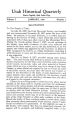
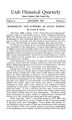
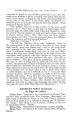
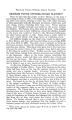
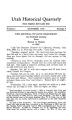
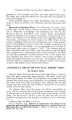
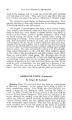
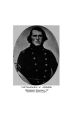
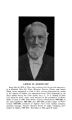
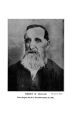
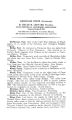
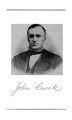
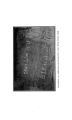
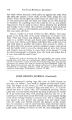
Show H E N R Y W. B I G L E R The Deseret News Born August 28,1815; Died November 24,1900. Utah Historical Quarterly State Capitol, Salt Lake City Volume 5 April, 1932 Number 2 EXTRACTS FROM THE JOURNAL OF HENRY W. BIGLER* My name is Henry William Bigler, Son of Jacob and Elizabeth Harvey Bigler, born August 28th, A. D. 1815, in Harrison County, Virginia, now West Virginia. * * * Council Bluffs, Iowa. We arrived here about the middle of June (1846) and on the 22nd my Brother Jacob and John D. Chase with 2 wagons and 4 yoke of oxen left camp to go down the country to purchase provisions for Brother George A. Smith. Here the camp will remain for a while. Tues. June 30th. Today Jesse B. Martin and I spent the most of the day hunting lost cattle when we met Captain Allen who enquired if we knew Brigham Young and if he was in camp. We replied that we knew Mr. Young, but could not say as to him being in camp or not just then. With the Captain were 5 men and a baggage wagon. He was riding on his horse a little in advance of his men, his sword hanging by his side. The next day at 10 a. m. a meeting was called at Elder Taylor's tent where Captain Allen addressed the Saints. He stated that he was instructed by Colonel Kearney who was also instructed by the President of the United States, James K. Polk, to invite the Mormon people to become volunteers in the Service of the United States for one year, to go and help take California. He wanted five hundred men who could be ready to march in ten days and join Colonel Kearney who was already on the march to Santa Fe. Those who volunteered would receive pay and rations and all other allowances the same as other soldiers and at the end of the year be discharged and have all the arms, tents, camp kettles, in fact all the camp accoutrements thrown into the bargain. •Furnished by the courtesy of his son, Mr. Adelbert Bigler, reporter, Fourth Judicial District Court, Provo, Utah. This is a transcript of the journal, as rewritten about 1898 by Mr. Henry W. Bigler, himself, correcting the spelling and improving some of the diction, after a wide experience as a public speaker and an extended reader. The original manuscript journal was afterward deposited by Mr. Bigler in the Bancroft Library, at Berkeley, California, as set forth, later in this journal. 36 THE UTAH HISTORICAL QUARTERLY President Young said, "Captain Allen, you shall have your battalion if it has to be made up from our Elders," and arose from his seat, walking out saying, "Come brethren, let us volunteer." Soon the five hundred was mustered into service, I being among the enrolled. It was against my feelings, and against the feelings of my brethren although we were willing to obey counsel believing all things would work for the best in the end. Still it looked hard when we called to mind the mobbings and drivings, the killing of our leaders, the burning of our homes and forcing us to leave the States and Uncle Sam take no notice of it and then to call on us to help fight his battles. To me it was an insult, but there was one consolation and that was Brother Willard Richards, one of President Young's councilors said, "If we were faithful in keeping the Commandments of God, that not a man shall fall by an enemy, no not as much blood shed as there was at Carthage jail." On the 11th, July, brother Chase and my brother Jacob returned to Camp having several barrels of flour, 40 bushels of corn, some wheat and meat, a scythe and a gallon of alcohol. By the 16th of July the battalion was made up of companies A, B, C, D and E, I attached myself to Company B, Jesse D. Hunter, Captain. The same day we marched 8 miles to the Missouri River, where there was a French trading post, where Captain Allen issued to his men provisions, camp kettles, knives, forks, spoons and plates, also coffee, sugar and blankets. On the 21st of July at twelve o'clock Captain Allen took up the line of march for Fort Leavenworth, two hundred miles distant, the men keeping time to the tune of "The Girl I Left Behind Me." To me this was a solemn time as also to others, though to a casual observer we may not have shown it. Leaving families, friends, near and dear relatives, not knowing for how long and perhaps to see them no more in this life. I bid my folks farewell and did not see them again for nine years. The secret of this affair as afterwards learned was this. Thomas H. Benton, a United States Senator from the State of Missouri, argued in congress that the Mormons were a disloyal people and if they did not believe it, for Uncle Sam to call on them for 500 men to aid in the war with Mexico and they would find that the Mormons would buck against it and not volunteer and he got a promise from President Polk that if the Mormons refused, that he might have the privilege of raising volunteers in Missouri and from the adjoining States to go against the Mormons and use them up entirely. Ten days marching brought us to Fort Leavenworth where we received our tents, arms and all the accoutrements necessary JOURNAL EXTRACTS OP HENRY W. BIGLER 37 for the campaign. On our arrival at the garrison a great many came out to meet Captain Allen and the Mormons. The Captain was now called Colonel Allen and he seemed to be proud of his men although we were rather a ragged and dusty set of men. The weather was hot and the roads very dusty and it was remarked by those who came out to see us that we were a noble looking lot of men. They were wonderfully taken up with our martial music and especially with our young drummer Jesse Earl, a youth scarcely 18. The weather was hot and a number sick. I shook with the ague and also three of my mess mates. August 5th the battalion drew their clothing money for the year, $42 each, most of which we sent back to our friends to help support them. We also donated of our mite to Elders then on their way to England on missions. On the afternoon of August 13th the battalion started for Santa Fe, 700 miles distant, Colonel Allen remaining behind to complete his outfit, etc. The road was a foot deep with sand and dust, the weather very warm and water scarce and poor and it seemed our sick would die for want of water. Company B's baggage wagon broke down and did not get up to come until the next morning. This left us without our tents and supper. Sat. August 15th. It was decided not to move camp but to wait for the arrival of the hospital wagons to carry our sick, but owing to our beef cattle getting in and destroying patches of corn belonging to the Indians, we moved forward 4 miles to Coal Creek. By this time a storm of wind, rain and hail was on us, capsizing tents and upsetting wagons, rolling Sergeant Coray's carriage 15 or 20 rods into the brush. Hats flew in all directions and covers stripped from wagons. Near by was a company of cavalry in camp and when the hail began to fall their animals deserted and put for the timber several miles away leaving their masters to take the storm in an open prairie by themselves. This place we called Hurricane Point. Sun. 23rd. We laid by to dry our clothes. Our sick were all exposed to the, storm and we fear they will grow worse. A few of them were baptized for their health by Captain Hunter. In the afternoon we had a meeting and were addressed by Captain Hunter and others who reminded us of our duty to God, the mission we were on, and the sacrifice we had made to go at the call of our country and the goodness of God manifested towards us and the hand of the Lord was in this very move and to remember that we were the Elders of Israel, etc. Mon. 24th. The hospital wagons arrived, also Adjutant Dykes from the garrison who tells us that Colonel Allen is there very sick; this we are sorry to hear. 38 THE UTAH HISTORICAL QUARTERLY On the 25th, while nooning, some Indians came to us. They laid down their guns and blankets in token of friendship; the officers gave them bread; they seemed thankful and left. On the 26th, our quartermaster arrived from the garrison and announced the sorrowful news that our Colonel James Allen was dead, that he departed this life Sunday morning the 23rd, instant. Reaching Council Grove we halted for several days and on the 29th we paid our respects due to Colonel Allen by falling into line and marching to a Shady Grove where a funeral sermon was delivered by Adjutant Dykes and followed by Captain Hunter. Hera a brother and a sister died by the name of Bosco; they were not of the battalion but were with them on their way westward and were buried in one grave. Sunday 30th, as orders were given to be on the march early the next morning, that night by the light of the moon, under the supervision of Brother Elisha Everett, a stone wall was built around and over the grave to shield them from the wolves and to mark their last resting place, etc. On the 3rd of September, Lieutenant A. J. Smith who had been accepted by our officers to act as Colonel pro tem, in the place) of Colonel Allen, began to show his love for the Mormons by ordering all the sick out of the wagons, swearing if they did not walk he would tie them to the wagons and drag them unless they took such medicine as Doctor Sanderson prescribed. This our sick did not like to do and had refused because the Doctor was known to be a Missouri mobber and had been heard to say he did not care a damn whether he killed or cured, but Smith was told plainly that before the men would take the doctor's medicines they would leave their bones to bleach on the prairies. This Smith was not one of our men but he was an officer belonging to the regular Army. The right of command belonged to Captain Hunter of Company A. The honor was conferred on Lieutenant Smith simply because he was a West Pointer and not altogether out of choice of our men. On the 5th of September we camped on Cow Creek. Here for the first time in my life I saw a buffalo. The next day we passed a knoll or mound; from the top we saw hundreds feeding in different droves. In the afternoon just as we made camp there came up a shower of rain and heavy claps of thunder and one of our beef cattle was killed by the lightning. Here we have no water, only the little we have in our canteens, neither wood; we used buffalo chips for fuel, made coffee and cooked buffalo meat when we had an excellent supper. By daylight the next morning we were on the march for water, making about 15 miles to Walnut Creek where we halted for the day. Here one JOURNAL EXTRACTS OF HENRY W. BIGLER 39 of our men killed a young buffalo. While on the march today we could see at times more than five hundred buffaloes at one sight. On the 11th, about noon we reached the Arkansas River and campled. Here the river is four or five hundred yards wide and nearly dry. The banks are low and a rise of 4 feet of water would overflow the bottom land for miles. As I stood on the bank and looked across, I could scarcely see there was any water and the view to me was a beautiful bed of sand from bank to bank. I took off my shoes, rolled up my pants and crossed over to get wood for our cooks. There were 4 little channels of water clear as crystal and about one foot deep. From this point we marched up the river about one hundred miles, camping every night on its bank. In places the river was dry but by making a hole in the sand a foot deep we were enabled to get plenty of water, but where the river was not dry and the water running, the boys caught fish, such as cat, white bass and buffalo fish by spearing them with bayonets. Along here the teams began to grow weak and thin in flesh. The grass was eaten off by the buffalo and other wild animals) and for days we were not out of sight of the great herds of buffalo, elk, antelope, wolves and badgers and I wondered why they had not left for better living for I! thought a sheep could not find grass enough to keep it alive and yet the buffalo we killed were always in good order. Tues. 15th. Made 12 miles and crossed the Arkansas River and camped. Here we overtook Colonel Price with 500 horsemen in camp on his way to Santa Fe. Wed. 16th. We lay by; the day was spent in washing and drawing provisions. Thurs. 17th. Before taking up the line of march we had the painful duty of burying Brother Alva Phelps of Company E, and it was believed that Doctor Sanderson's medicine killed him; he gives| calomel and the sick are almost physicked to death. Last night the camp was aroused by the cry that a star in the east was moving when I heard Captain Davis of company E exclaim, "See, see, I declare it does move." At this I got up to see the moving star but could not see anything of the sort, while others said it did move up and down and sideways. It was about this time that a mob army went to Nauvoo, bombarded the City, killing and wounding several, battering down houses and driving the poor Saints who were not able to leave at the time their more fortunate brethren left, driving them across the Mississippi River where they would have perished for want of food, had not the Lord sent them great flocks 40 THE UTAH HISTORICAL QUARTERLY of quail and so tame that they were caught with their hands by women and children and this way they lived until teams and wagons were sent to bring them to Council Bluffs where the main camp of the Saints was. To-day we broke camp and marched about 23 miles and camped without wood and water. We saw hundreds of wild animals, buffalo, antelope and wolves. Two buffalo came running near our line when 30 or more muskets were fired at them, breaking the leg of one, the other escaped without a hole being made in his robe for aught I know. To-day men suffered for water and also the next day. Many gave out and had to be hauled to camp in wagons. We passed a small pond of water filled with the droppings of buffalo and all other wild animals. This we did not seem to mind. The weather for the season was warm but we drank freely this filthy water and felt refreshed but Oh gracious how sick it made us. Along here water was so scarce we had to dig for it and when we got it, it was so impregnated with some kind of mineral that neither man nor beast would hardly drink it. Here Colonel Smith reduced us to two-thirds rations. This brings to my mind what has since been told me by Lisbon Lamb of Company D that when the battalion overtook Colonel Sterling Price at the crossing of the Arkansas, Colonel Smith being short of provisions, sent his quartermaster to ask Price to share provisions with him. Price said he did not haul provisions for the Mormons. This intelligence raised Colonel Smith's ire and he sent word back to Price that if he did not let the provisions come that he would let loose! the Mormons and come down on him with his artillery, when this on the part of Colonel Smith, produced the desired effect. Here I will say that Colonel Price was in command of a company of mob militia at Far West and sanctioned the shootings of Joseph the Prophet and others on the public square in 1838 and this Colonel Smith may have known and thought that the "Mormons" had but little love for him, hence the threat to come down on him by letting loose the Mormons, etc. Friday, Sept. 25th. We reached what is called the Big Cold Spring, where, for the first time since leaving the Arkansas ten days ago, we saw timber. Our fuel has been dry "buffalo chips" (dung). Yesterday I counted the skull bones of 81 mules, said by our guide to have perished a year ago during an equinoctial storm. The guide said there were 160 mules perished and most of the men with them; they were fur traders I believe. On the 3rd of October we were met by an express from General Kearney, that if the battalion was not in Santa Fe by the tenth, it would be rejected. It was decided (though opposed JOURNAL EXTRACTS OF HENRY W. BIGLER 41 by some of the officers) by the most of the officers, to take all the able bodied men and best teams and push forward in double quick time, leaving all the sick and weak teams with a few officers and able bodied men to bring up the rear as best they could. This separation was opposed by some not knowing what might befall the sick and the few as we were now in the enemy's country. Late in the afternoon of the 9th we arrived in Santa Fe, in the midst of a storm of rain and hail and on the 12th the rear division arrived. On the 13th, October, Lieutenant Colonel P. St. George Cooke, by order of General Kearney took command of the Mormon battalion. A detachment under Captain James Brown of Company C, with all the sick and infirm were sent from Santa Fe to winter at Pueblo on the Arkansas River, as it was so late in the season for them to continue then through to California. In that detachment I had a dear sister and brother-in-law, John W. Hess. Ij felt lonesome after they left for I liked their company very much, they left on the 18th. Monday, 19th October. At 12 o'clock, Colonel Cooke took up the line of march for St. Frances, California, as it was then called and understood to be our destination. Our course was now south following the Rio Del Norte River for three hundred miles thence west over the mountains and across prairies for twelve hundred miles to the Pacific Coast. In our marching down the Rio Del Norte we passed a great many Mexican towns and villages and our camps were more or less visited every day by the Mexicans to sell us wood, corn, beans, meal, apples, grapes, wine, goats milk, goats cheese, and onions, the finest I ever saw, also tobacco and molasses to barter for old shoes, old boots, pants, shirts, vests, brass buttons, pocket looking-glasses and horn combs, etc. They seemed to prefer such things to money and well they did for it gave us a chance to treat ourselves to some of its luxuries of the country and to increase our scanty supply of provisions, for soon after leaving Santa Fe we were reduced to three-quarters rations, then to half, and finally to quarter rations. The road down the Del Norte was sandy, grass scarce and the teams soon began to fall and give out and in passing over sand hills, twenty men or more took hold of each wagon, some with long ropes and others lifting at the wheels, the men carrying their guns and knap sacks and cartridge boxes in each of which were 36 rounds of ammunition. Pushing and pulling, living on short rations was well calculated to use up the men. I have ever since thought it was very unwise to have left Santa Fe with only 60 days rations instead of 120 as was advised by 42 THE UTAH HISTORICAL QUARTERLY his guides. The excuse was that enough provisions could not be had, nor could teams be procured to haul it. Men grew weak, beef cattle became poor and it was the custom to kill work animals such as worn out oxen and issue the meat to the battalion. The best and fattest the Colonel gave orders not to kill, only such as became weak and unable to work and the strongest and best oxen reserved for duty. We passed large flocks of sheep and goats herded by Mexicans dressed in leather with blankets around their shoulders. They carried bows and arrows in their hands and had dogs by their sides. Some had staffs on long sticks with sharp spear points in the ends. The sight was novel. At one place the Colonel purchased 300 sheep to be driven along for the use of the command for mutton. They were a scrubby looking lot of sheep and soon become soi poor that they could scarcely keep up with the command and whenever one gave out it was killed and eaten by the rear guard or by poor worn-out soldiers who had fallen behind, being unable to keep up with the main army. Before leaving the Rio Del Norte, it was discovered there were quite a number of men too sick and weak to carry their muskets and knapsacks and stand the journey through to California. Accordingly another detachment of 60 odd under Lieutenant Willis was sent toj Pueblo to winter. Colonel Cooke now gave orders to commanders of companies to leave the ox wagons and pack the baggage on mules and oxen. It was laughable to witness the antics of the frightened oxen after their packs were on them. Some of the boys said, "They kicked up before and reared up behind," bellowing, snorting, jumping up, wheeling around, pawing and goring the ground, but they soon became perfectly gentle. We were now some ways out of the settlements but still on the Rio Del Norte River. Our boys caught some fish and one evening a| beaver was captured by one of the guides. One of our men killed a deer and another a turkey and said they saw signs of bears. In some places there was an immense amount of broken pottery ware on the ground for acres; had the appearance of stoneware and some glass. With us were some Spaniards or Mexicans on their way over the mountains to trade with Indians, they said they knew nothing about how it came there and that the Indians of the country have no such ware. Much of it was nicely glazed and flowered. On the evening of the 12th, November, several of the boys organized themselves into- a debating club to pass off the time of evenings. T took part in the debates and although living on soup made from the carcasses of poor given out oxen slightly thickened with our scanty supply of flour we felt well and had good times in JOURNAL EXTRACTS OF HENRY W. BIGLER 43 our polemic schools and that very day an ox so extremely poor gave out by the way. He was killed and the meat dressed and brought to camp and dealt to the soldiers and we only regretted we did not have full rations even of that as poor as it was. Friday, 13th. Today we left the Rio Del Norte' River taking a southwest direction up a mountain for several miles and camped just over the summit by a< curious spring ten or 15 feet deep among rocks in shape like a basin. Sat. 14th. Made some 12 miles and camped by a beautiful little running stream. Here we find the relics and foundation of a house 36 feet square with 5 rooms. Sunday 15th, rainy day. Camp did not move. Some of the boys brought in an ox that gave out yesterday. He was killed and the meat issued as rations. The flesh was jelly-like. In the afternoon it cleared up and some of the boys went out to hunt antelope and when they came in they said that up the oreek about 5 miles they found a large vineyard' with good grapes of the same varieties as were found among the Mexicans, the boys brought in several clusters of grapes. Towards evening it cleared up. This creek we named White Ox Creek and the valley we called White Ox Valley. Mon. 16th. The morning is clear and cool. We marched about 15 miles and camped by a weak spring, grass plentiful, wood scarce except fine brush and soap-weed which we used for fuel. Here is a large flat rock with 30 holes cut in it from 12 to 14 inches deep and from 6 to 10 inches in diameter. These we suppose were used to catch water whenever it rained. Near this place are indications of gold and George Stoneman, one of Colonel Cooke's Staff' said the indications are it is rich. Some of our boys found a lot of antelope and deer skins nicely cured and stored away in some rocks near camp, they perhaps belong to Indians, they were not disturbed, they were left as we had found them. Tues. 17th. Early this morning before taking up the line of march] a soldier of Company B. espied our Captain taking pork from the commissary's wagon on the sly and laid it on the tongue of his own wagon and his wife and the Captain's wife cut off slices to fry for breakfast. The soldier' told his messmates what he had seen, they then laid a plan to steal it, which proved to be a success and they got it. They expected to hear something from the Captain when he should discover what had been done, but never a word was ever said. Wed. 18th. Marched about 20 miles and camped on a stream the guides call Membres, but it sinks in the sand a short dis- 44 THE UTAH HISTORICAL QUARTERLY tance south of our camp. The surrounding country looks beautiful. I am nearly used up, being so weak and not very well. The days are warm and the nights cool. Our teams begin to look better although the grass is dry but we find on examination that the stalks are juicy and we think it does not rain much here and the grass cures on the stalks like hay and our mules and cattle are very fond of it. I see no timber and do not think there is much water in the country. As we were nearing camp one of my messmates slipped out of ranks and killed a fine antelope and brought to camp. The country seems to abound with that kind of game and it was a risky business for my messmate to do as he did, for the Colonel had given orders for not a man to leave ranks without his permission. My messmate now had a fine supper and the cooks lost) no time in preparing a sumptuous supper. Thurs. 19th. Camp did not move; the guides had been ahead and reported that there was no sign of water except at a place about 12 miles ahead and in their opinion there was none to be had short of the Gila River about one hundred miles distant. This was discouraging. At this the Colonel called a council with his officers and in the meantime ordered a smoke to be made on a hill near by to attract if possible an Indian from whom some information might be had in regard to a route or pass through the mountain to the Gila River, which indeed brought to camp some Mexican movers. They had seen the signal and came dashing up on their horses, frightening one of our men who happened to be a little ways from camp gathering wood. He dropped his wood and ran for dear life, to the merriment of all who witnessed it but the Mexicans seemed to know nothing about the route across the country to the Gila, and it was decided by the council to follow the copper mine road, which the guides said led in a southwesterly direction through Mexican settlements where food and fresh teams could be had. It was said we were now in the province of Chihuahua. On the evening of the 19th of November, Father Pettegrew and Levi W. Hancock visited every man in camp requesting all to ask the Lord to direct our course for the best, even to changing the mind of the Colonel not to go through the copper mine country. These men had been appointed by President Young to counsel, advise and to act as Fathers to the boys of the battalion. Of course the Colonel knew nothing about what was up. These men were of the opinion that to go through the country where the enemy was stationed without meeting with an engagement would be almost impossible. JOURNAL EXTRACTS OF HENRY W. BIGLER 45 The guides said that they had never traveled this route before but had been across the country north and south of our trail and knew that if a pass could be found leading over the mountain to the Gila River it would save a good many days travel. Friday, 20th. This morning about 9 o'clock we took up the line of march, the Colonel at the head of his command on his white mule. We had not proceeded far on the road leading south when he suddenly called a halt, then looking first in one direction and then in another, all at once he turned to the right and swore he was not going all around the world to get to California. Ordering his bugler to blow the right and the Colonel led the way westward, saying he was sent to go to California and that was his destination and he would go or die in the attempt, and thanks to God was in every soldiers heart, their prayers were answered. At night we camped without water. Sat. 21st. This morning we were busy watering the stock till nearly 11 o'clock, having to drive them 2 miles to water that had been found by the guides late last evening. Filling our canteens we marched about 18 miles and camped without water. I ate some fruit that grew on a weed, it tasted like dried apples. I soon became very thirsty and oh, how sorry I was to learn there was no water in camp and every canteen empty. The guides were on ahead in search of water and near the setting of the sun we saw a smoke in the distance, believed to be a signal that water was found. Others of the battalion who ate of the fruit that grew on the weed complained of being thirsty and having a sickly feeling. Sun. 22nd. Early this morning we were on the march and by one o'clock arrived where the smoke was. True there was a spring of water but so weak that the command was ordered to continue ten or twelve miles further. The ox teams were still behind and orders were given for them to camp here. Water was so scarce at this spring that I failed to get a drink and only a few did. I was told that there was a nice hole of water but the Colonel and his staff rode up and let their mules drink it and the little left was gathered up with spoons by the men to moisten their parched lips. It was 8 o'clock at night when the front rank reached the water on the west side of a dry lake. The day was a day of suffering, men and teams gave out and were all hours of the night coming into camp and then how provoking it was for while marching this afternoon it seemed we could see a lake of water only a short distance ahead but we could never gain on it as it kept about the same distance off. It was a mirage. 46" THE UTAH HISTORICAL QUARTERLY Mon. 23rd. Camp laid by to await the ox teams. At this camp we met some Mexicans who had been over the mountains to trade with the Indians. The Colonel purchased of them a few mules and the messes bought dried meat but owing to it being so fat and oily it is believed to be horse flesh, but let that be as it may, I thought it the sweetest meat I ever ate. Tues. 24th. Marched 18 or 20 miles, much of the road we had to make and crossed as we believe the backbone of North America. At night we had plenty of wood, water and grass. Nearby one of the guides killed a grizzly bear up in the mountain, the meat was brought to camp and eaten for supper. Wed. 25th. To-day men began to lag and slip out of ranks and lie down until the rear guard came up and brought them to camp. To-day I saw a nice flock of quails, different from those of the States, much handsomer and about the same size with pretty topknots. Thurs. 26th. Moved several miles. Friday, 27th. A short march. The country abounds with plenty of game, hardly ever out of sight of antelope and the black tailed deer. The Colonel has sent for an Indian to learn if there is a pass leading over the mountain. Late this evening the guides brought in a Chief of the Apache nation who says there is a pass which pack animals can go over. Sat. 28th. This morning the Colonel ordered the loads taken out of the wagons and placed on pack mules and sent over the mountain. I was detailed to lead one of them but feeling so poorly I hired one of my messmates to go in my place. At dusk the packers returned and said the road was bad and the distance about ten miles. Sun. 29th. By 9 o'clock the battalion was on the march with pack animals and empty wagons and in descending, wagons were let down by ropes over ledges and steep places by men holding onto long ropes attached to the wagons. By some mishap one wagon got loose, rolling down the mountain with such force as to completely ruin it. Mon. 30th. Made a short march of about 7 miles. Tues. Dec. 1st. Marching nine miles we came out into an open broken country and camped by the ruins of some old Mexican buildings. Here we were visited by Apache Indians to sell us baked roots they call "Mescal," it is sweet and nutritious and we are very fond of it, they seemed to have known we were short of provisions. The Colonel bought of them a mule. JOURNAL EXTRACTS OF HENRY W. BIGLER 47 My health is so poor, I can hardly travel. Every muscle in my body is sore as if I had been beaten with a club. Having a little ginger with me that I brought from Fort Leavenworth, I made tea and drank it with my food, but as to my weakness was scarcely able to march. I attribute it to poor living, short rations and very poor at that. The guides say there are lots of wild cattle here. Wed. 2nd. Camp laid by and 4 men sent from each company to hunt wild cattle. Twelve head were killed, 7 by Company B. I thought this meat the sweetest beef I ever ate. Here we were overtaken by a soldier who had left camp a few days ago to hunt. He came in minus his gun and most of his clothes and nearly starved to death. He had been robbed by Indians, he had lost his way and it was not until he had wandered back 50 or 60 miles that he found the way by striking our trail, and finding Captain Hunter's dead horse, he feasted on the carcass so as to keep body and soul together. Thurs. 3rd. Orders were given to jerk our beef but orders were soon given to be ready to march by one o'clock, by which time our meat was not half cured and we have no salt to save it, this caused much dissatisfaction. This afternoon I was detailed to lead a packed mule and notwithstanding we only traveled about 8 miles. I was so weak and poorly, I could not keepi up with the command, I fell to the rear and was obliged to lie down several times before reaching camp. This evening the Colonel gave orders that to-morrow morning the guard must shoulder their knapsacks and blankets. He was told that some of the companies had their own private wagons to carry their knapsacks and blankets. He said he did not care a damn, you shall carry them. Friday, 4th. Marched about 12 miles and camped. It is supposed we saw four or five thousand head of wild cattle. They are of Mexican stock, having been brought here by Mexicans who were driven out by the Apache Indians and forced to leave their stock behind and which have increased and become wild and to-day 4 of them were killed and brought to camp; all were bulls. Captain Hunter's wife asked her husband what they were. He replied, saying they were heifers; his object was that she might relish the beef with a better appetite. The next day we had a storm of snow and rain, it was disagreeable traveling, made about 12 miles and camped on a creek in a nice ash grove of timber. Sunday, 6th. Camp laid by to await the return of the guides who had gone ahead to pioneer the way. Late in the evening 48 THE UTAH HISTORICAL QUARTERLY they returned and reported there was no more water for 36 miles. Mon. 7th. This morning before taking up the line of march we buried Brother Elisha Smith. He had been sick several days. We burned a brush heap over his grave to hide him from the Indians and wild beasts. Wild cattle are killed every day and we have plenty of fat beef and beef soup. My health from this time on began to amend and improve. At night we camped without water and the next day about noon we reached the San Pedro River where we halted for refreshments after which we marched about 5 miles down the river and camped. Bands of wild horses are seen, also wild cattle and antelope, a few of the latter were killed. Wed. 9th. We camped near some old vacated adobe buildings on the bank of the San Pedro. Here we caught fine fish, plenty of them and we had good eating. Some of the boys said they were salmon trout. Thurs. 10th. While marching down the river, several wild cattle, mostly bulls, from some cause ran through our ranks, goring 2 mules to death, while some of the men were badly wounded by their horns. They were fired upon when ten of the rascals fell. One lead mule in a team was thrown by a bull over his mate and so gored that his entrails hung down a foot or more. Sat. 12th. At noon the Colonel halted to await the return of the guides, who as usual were ahead to look out the route. Soon they returned and reported that the next water was about 20 miles distant on a trail leading to a fortified garrison 50 or 60 miles distant. They had fallen in with a party from whom they learned there were two hundred regulars and 2 cannons at the garrison and they had been watching our movements for several days. At 3 p. m. the Colonel called out the battalion on parade, using up much of the afternoon in the Drill. Sunday, 13th. Marched to the first water and camped. Monday, 14th. Clear and nice, at 7 a. m. we took up the line of march for the garrison, as the guides say to go any other way would be more than a hundred miles out of our way and over mountains almost impassable. We passed a Mexican distillery where they were making whisky out of roots they call "Mescal"; the tubs or vessels were made of rawhides with the hair on. Some of the men tasted the whisky and say it is poor stuff. A little farther on the Colonel took two Mexicans and confined them under guard as) spies. We were ordered to fill up our canteens as we would camp without water. JOURNAL EXTRACTS OP HENRY W. BIGLER 4>'J Tues. 15th. The two prisoners this morning were liberated and by sun-up we were on'the march with loaded muskets as it was said we would not be allowed to pass the garrison without resistance. About the middle of the afternoon we reached the garrison and passed through it a mile away and camped without any resistance. On our approach the soldiery and most of the inhabitants had fled taking pretty much all the public property except about two thousand bushels of wheat, of this the Colonel took what he needed for present use. This place is called Tucson and is nothing but a Mexican outpost against Indians. It looked good to see young green wheat patches and fruit trees and to see hogs and fowls running about and it was music to our ears to hear the crowing of the cocks. Here arq the finest quinces I ever saw. The few people that were left in the place were old men and infirm, with a few children, who were at our mercy and were badly frightened on our approach but as we showed no sign of fight they became friendly and very sociable, though close in their dealings. In the place are 2 little mills for grinding grain and run by jackass power, the upper millstone moved around as fast as Mr. Donkey pleased to walk. We lay by one day at Tucson, eating boiled wheat and at night I was placed on a horse guard half a mile away from camp, when about midnight I was startled at the sudden beating of drums. I expected every moment to hear the crack of arms, believing the Mexicans were on us. Soon everything was quiet. On going to camp next morning I learned that two of the picket guard had orders if they saw anything in the shape of danger to fire an alarm and run into camp and this they had done when the whole camp was called to arms and formed a line ready for action but as no enemy appeared, all soon returned to their tents and passed the night in sweet repose with the exception of those who had eaten too freely of boiled wheat and had the diarrhea. Thurs. 17th. At 9 o'clock a. m. we took up the line of march leaving Tucson, continuing our march down a creek in a northerly direction. After going a few miles, orders were given to water the teams and fill up our canteens, as the guides said the next water was 40 miles distant. We then traveled until ten o'clock at night. Friday, 18th. Early this morning we were on the march. We could see a high peak in the distance, sticking up in shape like a cows horn, the guides called it, "The Great Horn," near the foot of the mountain we were told we could get water but not for 50 THE UTAH HISTORICAL QUARTERLY the teams. At last we reached there but alas we were disappointed beyond measure, our canteens empty and the day hot as the month of June. It's time there was water but not a tithing for the men; orders were not to use a cup. We lay down and drank from the puddle holes; this brought to my mind of Gideons Army lapping water like dogs. (Judges 7. Verse 5.) We traveled until late in the night and camped without water, men and mules gave out and were left all along the road, in little.squads and were all hours of the night getting up to camp. One of my messmates and I took our canteens and left camp to hunt water, as good luck had it we found a small hole of standing water from which we quenched our raging thirst, filled our canteens and returned to camp. We met others in search of water1 and by the time we got back to camp it was nearly daylight. Sat. l9th. When we took up the line of march this morning it seemed almost impossible for the teams to pull the wagons and no wonder for they have not had a drop of water nor a spear of grass since leaving Tucson. We had not marched far when we were met by the head guide, Mr. Weaver, with the glad news of water a short distance ahead, soon another guide met us saying he had found plenty of water and a little grass and to this latter place we marched and camped by a big pond of water. We were now within 8 or 10 miles of the Gila River. Sunday, 20th. This morning I was detailed to be the Colonel's orderly for the day. On going to his marquee to report myself I found him feeding his mule some wheat he had brought from Tucson. There was another mule determined to share with the Colonel's . He had driven it away several times but as soon as his back was turned the mule would march boldly up for another morsel of wheat until at last the Colonel turned around and said, "Orderly is your gun loaded"? I replied, "No sir", he then said, "Load your gun and I will shoot that G. d. mule", and walked into his tent. I knew it was not one of Uncle Sam's for it did not have the U. S. on it and therefore it must be a private mule belonging to some of our men. All of a sudden a thought came into my mind not to cause the mule to be killed and I took from my cartridge box a cartridge, clapped it in my mouth and with my teeth tore off the bullet end and put the ball in my pocket and emptied the powder into my musket and rammed the paper on top of it. Pretty soon out came the Colonel walking up to me, seized my gun and ran up within ten feet of the mule, standing broadside and fired. The moment he saw the mule was not hurt he dropped the musket and with an oath said, "You did not load that gun right." His bugler and others who saw JOURNAL EXTRACTS OF HENRY W. BIGLER 51 the trick nearly split their sides with laughter, the Colonel walked into his tent and I have wondered how it was he did not punish me for disobeying his order. When we reached the Gila River we were met by Pima Indians who came out by hundreds, men, women and children. The Chief seemed pleased to see us. He said Mexicans had been to see him and wanted him and his men to join them and give us battle, promising him and his men all the spoil. But he told them, his men should not fight. They had never shed the blood oT a white man and for that reason he was not afraid of the coming army and did not believe we would hurt them and had no objections to our passing through their towns. The Colonel bought of the Chief one hundred bushels of corn to feed the teams. From the time we left Tucson until arriving at the Gila River' there was not grass enough scarcely to fill one hungry mule. The whole face of the country bare and much of the soil is composed of sand and clay packed together firmly having a hard smooth surface that reflected light like a mirror and there is no timber except a species of cactus that the boys called Joshuas, they grew 40, 50 and 60 feet high, perfectly straight without a limb and measured a foot and 18 inches in diameter; once in a while there would be one with two to six branches; the branches ran out horizontally for a short distance and then turning at right angles rose vertically parallel with the main body. Near the top of some of these trees or Joshuas we saw scores and perhaps a hundred Indian arrows sticking and for what purpose they were shot there is left to conjecture. At the Gila we struck General Kearney's trail. He had crossed the mountain above on pack mules and came down the river. Mon. 21st. We camped in the village of the Pimas and I understand their settlements extend down the river for 25 miles number about five thousand souls. I think the Pimas are the finest looking Indians I have ever seen and the largest. Here the Chief turned over to Colonel Cooke some mules and merchandise that General Kearney had left in his charge for this purpose. The Chief said that the Mexicans had been to him representing themselves being part of the army and demanded the goods saying the Colonel had sent for them but he did not believe them and would not let the goods go. Now he was glad to see us and believed we were the right ones. The Indians brought to camp lots of corn, beans, meal and pumpkins to trade for clothes, buttons, beads, needles and thread, money they refused, saying it was no good and of no use to them and they seemed to live well. 52 THE UTAH HISTORICAL QUARTERLY We saw a great many ponies, mules and donkeys, also poultry; they raise cotton and manufacture it into cloth for blankets and breech clouts. The Chief said they believed God put them on earth and gave them their lands and they worked for their living. They did not rob nor steal, nor kill and plunder like other Indians. I saw their squaws spinning and weaving, their spinning was simply done by twisting a stick, winding the thread around it. Their looms were 4 sticks about four feet long laid on the ground like this • four square. The spinning and weaving was a slow and tedious process. Our Colonel bought a beef of the Chief. Fri. 25th. To-day our mess got a fine watermelon of the Indians and feasted on it as it is Christmas day. Sun. 27th. To-day the Colonel dispatched two guides with a few men to California for fresh mules and beef cattle with instructions to return as soon as possible. Mon. 28th. We now are out of the Pima settlements. To-day we passed a mass or rocks on our right, covered with pictures of birds, serpents and men. Thurs. Dec. 31st. To-day we met and camped near some Mexican families who were on their way to Chihuahua. They -say they met General Kearney 18 days ago near the Pueblo in California. Here the Colonel ordered two wagons to be unloaded, their boxes put into the Gila! River and loaded with corn, bacon, and flour and set down the river with men to man them, with instructions to haul in every afternoon and camp with the command. This move of the Colonel's we did not like and we had forebodings it would not be a success. January, 1847 Friday, Jan. 1st. In getting the mules we found four dead ones, believed to have died with thirst as the Colonel had given orders not to water the stock only when the bugle sounded for that purpose and he had forgotten to have) them watered. There was a pond of salt water in their range and they may have killed themselves by drinking from it. Sun. 3rd. To-day we made a few miles and camped and cut down some cottonwood trees for the mules to get the bark and for the cattle to browse on, there being no grass. Our boats have not come up since they left on the first and the Colonel has sent up the river to know what is the matter and this evening a report came in that the boats had run aground and it was doubtful about their coming any further. This morning we found 2 more dead mules. JOURNAL EXTRACTS OF HENRY W. BIGLER 53 Wed. 6th. This evening the boats arrived minus the provisions. Part of it had been put ashore and part left on a sandbar in the middle of the river. A Corporal and some Privates with mules were sent up the river after the provisions left and if the Indians have gotten it and the Corporal fails to get it, it will leave this army in a starving condition. Thurs. 7th. To-day we had some bad road and camped at the end of a mountain the guides call "The Devil's Point". This evening the provisions on hand were weighed and found to be only nine days of half rations and poor at that and it is said it will take us at least twelve days yet to reach the first settlement in California. Fri. 8th. Camped near the mouth of the Gila River. No Corporal and provisions yet. Sat. 9th. Marched 12 miles through heavy sand and camped on the bank of the Colorado River. This morning we found one of the mules dead, the teams are weak and poor, having nothing to eat. This morning we left 2 wagons and harness. We have nothing to eat but very poor beef and mutton and hardly any flour and the Doctor says the meat is unhealthy and that he had seen meat sold, that the seller had been fined five hundred dollars for selling much better meat. Our beef is so poor that it is jelly-like and' the hide full of grubs. Sun. 10th. This morning we commenced ferrying our baggage over the river on wagon boxes. Two mules were drowned while crossing. While the boats were running a number of soldiers were detailed to gather and sack up large quantities of mesquite to be taken along for mule feed. The soldiers ground some in coffee mills and mixed it half and half with flour and made bread of it but we soon had to leave off eating it as it produced constipation to an alarming extent. Mon. 11th. Completed the ferrying and marched 15 miles and camped by a well that General Kearney had dug, but it was dry. In it was a dead wolf; it was cleaned out and dug deeper and another well was dug, when we had plenty of water. This afternoon was hot and the road very sandy. Teams gave out and two wagons left and the baggage packed on mules. Tues. 12th. Two more wagons were left; the probability is they will be sent for from California. Marched 10 miles. Here Major Cloud cached a trunk of tools and some other articles. Made a short march. Wed. 13th. Marched 15 miles and camped by'another well that had been dug by General Kearney but it was dry and in it were four dead wolves, the well was soon cleaned out and dug deeper and another well dug and we now have plenty of water. 54 THE UTAH HISTORICAL QUARTERLY Thrus. 14th. This morning twenty-four men were detailed to go ahead under Lieutenant Stoneman and Weaver, our chief guide, to go ahead 25 miles to a certain place an dig for water. We marched 15 miles and camped without water. Fri. 15th. Early this morning we saw a rainbow. Started at sunrise and marched 10 miles to where the 24 men were digging for water and when reached it proved to be poor and not plenty. Here we met the men that were sent to California by the Colonel for fresh mules and beef cattle. The Colonel ordered one of the beeves slaughtered and cooked so that we should be on the march again in one hour and a half. Our flour, sugar, salt and coffee being exhausted, one beef was not enough to feed a battalion of hungry men. The mules had never been broken and there was a lively time when they were harnessed in but they had to submit. Here was the first time that the soldiers had ever seen any lassoing done, it was fun to see the native Cal-ifornians throw their lassoes and catch mules or a beef. We marched until dark and camped without water. Sat. 16th. At midnight we took up the line of march and at 3 o'clock in the afternoon reached a nice running stream of water. We have traveled now 50 or 60 miles without water and over a very sandy road and under a hot sun. Twenty of the mules gave out and were left to take care of themselves and it was a time of suffering among the men on account of hunger and thirst for we have not had a bite to eat for more than 24 hours. The first men who reached the water carried full canteens to their compainons who had lain down exhausted by the wayside, but at last all the men got up to camp. One mule was lost with his pack. The men that were sent up the Gila River after the lost provisions have not returned. Sun. 17th. Clear day, 10 miles and camped between 2 mountains, here we have plenty of water and some grass. To-day a very poor ox gave out and some of the men who were too weak to keep up with the command fell behind, killed the ox, roasted meat and prepared to stay by the carcass and eat until they were driven forward by the rear guard. Mon .18th. Clear and nice, frogs are singing. Camp did not move, the day was spent in cleaning our muskets, they were filled with dust and sand, also washing and mending our ragged clothes. One of the soldiers shot a crow, it proved to be a fat one, he picked it, dressed, cooked and ate it, he said it was good eating. Some of the boys went to the top of a mountain south of our camp and amused themselves by rolling large boulders down the mountain making a noise like peals of thunder, fairly shak- JOURNAL EXTRACTS OF HENRY W. BIGLER 55 ing the earth like an earthquake, while others in camp sang songs, fiddled and danced; this got away with the ColOnel and he swore that he did not see how it was when the men could hardly keep up with the command but when they got into camp, by G. d. the fiddle was going and the men dancing. Late in the evening an Indian brought a letter to the Colonel, the particulars I could not learn but rumor in camp says it is from General Kearney who has had a battle and lost 15 or 20 of his men and himself wounded. Tues. 19th. A hard day's march, having to make a road up a mountain by moving large rocks out of the way and attaching ropes to the wagons and men to pulling and others putting their shoulders to the wheels and helping the teams, when at last we gained the top of the mountain. Before us lay a nice little valley; here were some old Indian lodges and here it was that I first saw the wild sage or sage brush. Crossing the valley we turned up a ravine to cross a mountain, the channel was so narrow and rocky that we had to take the wagons apart and carried them and their loads through the channel and by night we reached the top of the mountain and camped without water and no wood except fine brush. The night was cold and our clothes in rags and tatters and feet nearly bare. Wed. 20th. By daylight we were on the march, we soon came to a nice little stream of water where a few Indians are living. A halt was made for breakfast. Here I see young green grass making its appearance. After breakfast we marched a few miles and camped under oak trees that the guides call, "Live oak trees." Thurs. 21st. Marched 10 miles, when we reached Warner's ranch, the first home of a white man. Mr. Warner is a native of Maine and has 15 square leagues of land and 3000 head of cattle. Our Colonel got of Mr. Warner a few fat beef cattle and has ordered that every soldier shall have four pounds and a half daily, but it is flat eating without bread or salt. Friday, 22nd. Camp did not move. We rested and spent the day eating our \y> pounds of fresh beef. We are encamped under a large live oak tree, the circuit of its shadow at noon is about one hundred yards. Half a mile away the boys say is a warm spring where they had a nice bath. Sat. 23rd. At eight this morning we took up the line of march, in the afternoon it began to rain and the weather turned cold and on the mountain each side of us we could see it snowing. The wind arose and blew almost a hurricane. The Colonel halted to camp and undertook to pitch our tents but the wind blew them down almost as fast as we put them up. Hats flew in all directions and it continued to storm all the night. 56 THE UTAH HISTORICAL QUARTERLY Sun. 24th. This morning 4 mules were found dead and it was a pitiful sight to see the poor beasts that survived the storm, shivering and shaking with cold and the ground was so soft that we moved camp a short distance to where there is timber to shelter us from the storm. It soon cleared up and the ground began to settle and the road was good. Mon. 25th. Clear and nice. Marched about 15 miles and camped in one of the nicest valleys I ever saw. I was so unwell and felt so poorly, I lagged behind and did not get up to camp until nearly dusk. Here we were met by an express messenger from General Kearney with orders for us to march to San Diego where he is in quarters. This pleased us as the expressman, Mr. Walker, said that a ship-load of provisions was daily expected to arrive at that place from the Sandwich Islands. Tues. 26th. While fording a creek the water being high from the late rains and the current swift as a mill-tail and the fording bad, every officer got a complete ducking, except the Colonel. Their mules fell from under them and footmen waded, the whole battalion was completely wet. Soon the Colonel made camp, wood was plentiful, fires were made and in a little while all was made dry. Here herds of fine fat cattle are seen in all directions and a few were ordered to be killed for the use of the command. The Doctor advised the men to broil the meat instead of boiling it as we had no salt nor bread. Wed. 27th. Clear and nice. The country seems to be alive with cattle, horses, mules and jackasses. Passing the San Luis Rey mission we turned to the left and marched up a mountain, from the top we could see the ocean, we judged it to be about 5 miles away. This was the first time I ever saw the ocean and it was the case of many of my comrades, all felt to rejoice to know we were so near the end of our journey. At evening we camped in a little valley near the seashore. We could hear the roaring and dashing of the waves all night. The whole face of the country is alive with cattle, bands of horses, mules and donkeys. One of the guides said he knew one man who owns twelve thousand head of cattle. The earth is carpeted over with green grass and wild oats and any amount of wild mustard and white clover. I see some mustard stalks high as ten or twelve feet and six or eight inches thick. Friday, 29th. We reached the San Diego Mission where we are to go into quarters. The buildings are old and dilapidated and have not been used for a long time only by Indians. Here are three vineyards and some olive and almond trees. The Catholic Priest seems to have had plenty of wine and oil. JOURNAL EXTRACTS OP HENRY W. BIGLER 57 Sat. 30th. All hands went to work to clean out the mission houses. They are built of adobies and the rooms are full of fleas. The mission is situated about 5 miles from the town of San Diego and is said to be the first Christian Mission established in California. It was founded by Catholics in 1769 for the purpose of converting the Indians. Sunday, 31st. Several of the boys visited San Diego and say there is a schooner, 2 men-of-war and a merchant vessel anchored in the harbor and that General Kearney the day before had sailed up the coast to San Francisco and that Captain Hunter had written to General Kearney that the men of the Mormon battalion are without clothes, shoes, salt and all kinds of provisions except fresh beef and that the General promised upon the honor of a gentleman to do all he could to furnish supplies and to fill Colonel Allen's promises to us, etc. Orders are now for us to move back to San Luis Rey Mission and there go into quarters. Monday, Feb. 1st. We took up the line of march for the Mission. Wed. Feb. 3rd. Arrived at San Luis Rey about noon and commenced to clean out the rooms, we were nearly a week cleaning, they were filthy and full of fleas, but the buildings are large and in better condition than the San Diego Missions and much handsomer. The outside walls are white and nicely finished and will accommodate a thousand soldiers. Attached to the Mission is a large vineyard and an orchard of olive trees, peach and black pepper trees. Wed. 10th. We were called out to drill. Each day to drill 2 hours. Sunday, 14th. To-day Lieutenant Oman of Company A, with ten men and mules were sent up the country near Los Angeles, to bring in some flour. To-day we had preaching by George P. Dykes and followed by Captain Hunter who reminded us of our duty to God and to each other. He said the Colonel had given the privilege for us to hold meetings and for the benefit of strangers he would give out an appointment for next Sunday that some one of the Mormons would preach a gospel sermon. Thurs. 18th. This evening after tattoo, Brother Levi W. Hancock held a meeting in Brother Albert Smith's room, when all took turns washing each others feet. By permission of our Adjutant, I copy the following order: "Headquarters Mormon Battalion, Mission of Sam Diego, Jan. 30th, 1847. "Order No. 1. 60 THE UTAH HISTORICAL QUARTERLY Thurs. 8th. The ship Barnstable from San Francisco brought 40 barrels of flour for Company B, with instructions from Colonel Cooke to our Captain to give his men full rations of flour and a pound and a half of beef daily to each soldier. This talks like business. Wed. 14th. This evening William Garner one of my messmates, baptized a marine by the name of Beckworth; he belonged to the U. S. frigate Congress, commanded by Commodore Stockton. This no doubt is the first baptism in California ever performed by an Elder in Israel in this dispensation. By this time we had become very short of everything and no money to buy more and everything we had in the clothing line was in rags. We were forced to cut up our tents to make shirts and pants and this too, contrary to the wishes of our Captain. Fri. 16th. A mail arrived from San Francisco with news that a regular mail to make the round trip in 14 days has been established between that place and this. The distance is about 500 miles and this is the first trip. Wed. 28th. To-day something in human form was seen on the streets of San Diego begging for food. He claims to have been one of Fremont's men and says he has been traveling in the Rocky mountains for several years. He is the worst looking person I ever saw. He is disabled in one of his shoulders and has a wound in his head. Brother Horace M. Alexander of our company knew him. The rascal acknowledged that he was one of the mob who massacred 18 or 20 of the Saints at Haun's -mill in Missouri, and begged to be forgiven for the part he took in the slaughter. Sun. May 2nd. The mail brings word that our men at Los Angeles are making cartridges to be prepared for an attack by Fremont, who is at the head of three or four hundred men, swearing they will kill every damned Mormon in the country. Mon. 3rd. Major McCloud our paymaster arrived and we drew our six months' pay, $42 each. Tues. 4th. The Haun's mill beggar was convicted to-day for stealing a pocket-knife and is made to work in the "doby" yard. Wed. 5th. To-day I went with two of our brethren to hunt for timber suitable to make pack-saddles to be used on our trip for home. Not finding any we went to the bay to hunt for clams to roast. Here we found the skeleton of a whale, said to have been a small whale; the ribs were 9 feet long and nearly a foot wide. The joints of the backbone we broke assunder or apart from each other and carried two of them to the fort to be used for seats, they were bleached nice and white and very light. Our Captain has given his men the privilege to take jobs and work from the citizens of San Diego. JOURNAL EXTRACTS OF HENRY W. BIGLER 61 Mon. 10th. I went with several brethren, six miles out in the country to cut wood for burning bricks as some of our men are going to make brick and burn them. Sun. 16th. The mail brings word that General Kearney and Colonel Cooke start to-morrow morning for Washington, D. C. Sun. 23rd. To-day our fort was visited by a party of Spanish ladies and gentlemen; they were well dressed and our boys pronounced the ladies very handsome. The women dress in silks and satins. Wed. 26th. To-day we began to purchase wild horses and mules and to break them, to be used on our journey home. The prices for horses are from three to seven dollars and mules are from nine to fifteen dollars each. Sun. 30th. A letter from San Francisco says that Sam Brannan has gone to meet the immigrants coming overland and that our brethren who arrived in California by the ship Brooklyn have planted 145 acres in wheat, corn, and potatoes, etc. Mon. June 14th. News has reached us that General Taylor has subdued Santa Ana, whereon we gave the General a cheer of twenty rounds of cannon. Tues. 22nd. The ship Vandalia sailed for Boston, taking mail with her, on which I have mailed letters to friends in Virginia. William Garner and I worked at digging a well for Mr. Fitch of San Diego. Thurs. 24th. Lieutenant Robert Clift of Company B was appointed alcalde (justice of the peace) for San Diego. Tues. 29th. Several of our men commenced to make brick and to put up a kiln of several thousand brick to burn for a Spaniard in San Diego by the name of Don Juan Bandini. Sunday, July 4th. At daylight five pieces of artillery were fired from our fort to welcome in the birthday of American Independence, after which we marched in order down into town and gave our officers a hearty salute of musketry, also cheering the whole town. This seemed to take so well with the citizens that they brought out all the wine and brandy we wished to drink and a great deal more. Orders were now given for Company B to be ready to march in four days for Los Angeles, there to be discharged with the rest of the battalion om the 16th, this to us was good news. The citizens of San Diego now began to plead with us to reenlist, saying that they know as soon as we leave they will catch hell, not only that but say they would much rather have us than the dragoons and'marines, that we were peaceful and minded our own business, that we were quiet and industrious, and had greatly improved their town, etc. One of their men said that when he heard that the Mormons were coming to San Diego 62 THE UTAH HISTORICAL QUARTERLY he was inclined to leave, and take his family with him for he had been told we were bad people and would steal everything we could lay our hands on and that their women would be in great danger when out alone, but to his surprise he had learned the contrary. Thurs. 8th. Our masons finished laying up a brick house to be used for a court-house and for schools. This is said to be the first brick made and the first building in California. Brothers Philander Colton, Henry Wilcox, Rufus Stoddard and William made and burnt a kiln of forty thousand bricks and besides the court-house we paved with bricks' some of their yards. We dug wells and walled them up with bricks, they had no wells before. Brother Sidney Willis made log pumps and put into some of the wells and our carpenters did considerable fixing up and completing rooms in their houses and they did not want us to leave, saying, "Mormons much bueno" (good). Soon as the last brick was laid up on the court-house, the citizens of the town made a great feast or banquet, setting out a table, loading it with eatables of the best kind, and drinks of brandy and other drinks, etc. and seemed to be surprised that we did not drink more freely. Friday, 9th. We left for Los Angeles, where we arrived on the 15th and the 16th the battalion was discharged from service. I felt thankful to God that I was free. From some cause we were not paid off until the 19th of July. All this time Uncle Sam's representatives were seeking volunteers, urging the men to reenlist. One company from our ranks entered the service for six months and was sent to San Diego under Captain Davis. On the evening of the 20th, all those who were going home (and where that was, no one in camp knew where that was) met together and appointed Elisha Everett and nine or ten others to act as pioneers by going ahead and selecting the way we should travel. The next morning, Wed. 21st., Captain Everett and company, myself, one of the number, set forward, leaving the main camp to complete their organization which was to be in companies of hundreds, fifties and tens. Our course was now up the Los Angeles River in a northerly direction. At noon we camped for the balance of the day and night. We felt like birds let out of a cage, it being just one year since we took up the line of march at Council Bluffs. The next day, Thurs. 22nd., we passed over twelve miles of very sandy plains. Reaching General Pico's ranch, we halted a short time and bought some fine pears and also took a little wine for our stomachs sake. We went a few miles farther, we camped JOURNAL EXTRACTS OF HENRY W. BIGLER 63 where we have excellent feed and good water. Mr. Pico visited our camp. He was affable, good natured as well as good looking. He was a fine specimen of humanity, well dressed, wearing a red silk sash around his body. He bore in his hand a lance and showed us how it was used, maneuvering it as if in action with an enemy. Fri. 23rd. To-day we crossed a mountain by a steep and narrow trail, so narrow that if a pack animal should make a false step, he would tumble hundreds of feet and here I saw to my surprise that a Spanish cart had traveled this dangerous road. Crossing the mountain we made an early camp by a small stream of water in a nice grove of young cottonwood trees. I cut the first three letters of my name on one of the trees. An Indian family traveled with us to-day. Sat. 24th. Traveled a few miles and camped near a Spanish ranch. Here we concluded to stop and wait until the company behind overtakes us. Tues. 27th. To-day we were overtaken by the rear company, when it was agreed to purchase cattle to drive along to kill for beef, when accordingly we bought 45 head of fine, fat, three year olds at six dollars per head, amounting to 270 dollars. Wed. 28th. To-day we broke camp, driving our cattle before us. We found them to be very wild and hard to drive. They would charge at_ us and our horses, and in crossing a mountain densely covered with brush we lost fifteen head. Thurs. 29th. To-day we lost three of our cattle. Fri. 30th. This morning the company concluded to stop and kill what cattle are left and save our beef before we lost any more. Wood for fires was plentiful, crotches were cut and drove into the ground upon which scaffolds were made, the meat cut up in thin slices and laid on them and nicely jerked. Sat. 31st. The pioneers set forward leaving the camp to complete the drying business and then to follow on our trail. In the evening we camped in a canyon of the mountain. He we find cut on a tree near camp the name Peter Le Beck, killed by a bear, Oct. 17th, 1837. Near by was the skull and bleached bones of a grizzly bear. I felt sorry for the poor man and called to mind that temples would be built and the dead would be baptized for by their friends and hence I make a note of this. Since then a man told me that the bark had grown over the letters, leaving the print of the letters on the inside and that the bark had been taken off and put in the Los Angeles museum. Sunday, August 1st. We broke camp at six in the morning and continued three miles down the canyon, when we entered a large open country called Tulare Valley. We saw herds of antelope and some elk. 64 THE UTAH HISTORICAL QUARTERLY There is a river running through this valley which our Indian guide says we cannot cross with our animals, and here he left us because he was not acquainted with the road any further. Mon. 2nd. We remained here until 2 p. m., when we were overtaken by the company behind, when all hands moved up the river six miles and camped for the night, but oh, gracious, how bad the gnats and the mosquitos were. Captain Everett has gone to an Indian village to seek a guide to pilot us on our way for a few days. He was gone all night. The next morning, August 4th, he returned to camp with several Indians, one of them promised to go with us as guide for a few days. The Indians told us that we would have to travel up the river about twenty miles before we could cross. We gave them a few presents and continued our journey for about twenty miles, then we crossed it. Some made a raft to carry over their things, others waded, carried things on their heads. Our animals swam the river, it is about fifty yards wide and abounds with fish. The second day after starting, the Indian who agreed to travel with us a few days as guide, refused to go any farther because we would not hire his entire company, eight in number. We were now without a guide. Leaving the great valley on our left, we traveled over hills and lofty mountains and camped where water Was so scarce that we were watering our animals all night. August 7th. Today we had a hard day's travel among hills. After] supper the camp was called together by the sound of Captain Everett's fife, when Father Pettegrew and Levi W. Hancock took charge of the meeting and exhorted the camp to be faithful in keeping the Commandments of God, and settled some misunderstandings that existed in the camp. Sun. 8th. This morning we sent to an Indian village to get a guide. Several came to camp, when two of them agreed to go with us a couple of days. They say it is a long way to the next water, but they do not seem to know much about the country ahead of us. Mon. 9th. Had a good road, made about 25 miles and camped on a beautiful river, where we are visited by Indians who say they believe we are good men and that they will not steal our horses. Tues. 10th. The next morning we crossed the river. We had to make a raft to take our things over and our animals swam it. We passed through an Indian town where we saw large quantities of fish and roots hung up in the sun to dry. Passing a few miles on we camped in a grove of oak timber by a slough. (To be continued) |