| OCR Text |
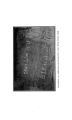
Show 134 THE UTAH HISTORICAL QUARTERLY The following day they commenced again to fight for the one so long contended for at first, because she did not want to live with the one that had gained her. He won her again, and she still refused. They tore her clothes off in dragging her through the brush, and started to drag her down the bank of the river. Then I ran between them and it, telling them, as well as I could, how unwise, how unkind! I was happily disappointed at the result, for they stopped, and carried her almost lifeless to the camp, but were somewhat mad because she would. not live with the man who had won her. I then went to the chief, and told him that I would not stop with his people if they persisted in such conduct. He replied, "that was the way they got their women." I told him there was a better way* that if an Indian wanted a wife, and could find one that would live with him, that he should marry them, and they should love their women. You want I should write good to the Mormon chief? "Yes." I write truth to him, and it would be bad to write all I have seen done here, unless you try to stop it now. He and his chief men counselled that night, and in the morning he came to me and said, "he did not want me to say anything about what had been done, for they were ashamed of it. Throw away all you have seen, and we shall stop such fights." That night, Jan. 28, I preached to them from the house top. Bros. Knights and Thornton having arrived from Cedar City with a donation of picks, spades, axes, &c, we commenced building a stone dam across the Santa Clara for emigrating purposes, 80 feet long, 14 feet high, and 3 feet thick, the Indians helping. We had suffered some little for want of flour, &c, but a donation from the Parowan Saints came in good season. The Deseret News, April 4, 1855. EXTRACTS FROM THE JOURNAL OF HENRY W. BIGLER Mon. 3rd. I went to look after the horses, came across a patch of grapes, they were as sweet as raisins. I ate so many until I found myself sick. At 1 p. m. broke camp, went up the river for 12 miles and camped for the night. Tue. 4th. Cloudy with some rain, traveled up the river 20 miles. Brother Keeler and I have but one animal to carry us through. Our provisions are nearly exhausted and that of the company's. JOURNAL EXTRACTS OF HENRY W. BIGLER 185 Wed. 5th. Laid by, as it is snowing. Brother Cannon is sick. One of the men shot an owl, it was picked, dressed and cooked, broth was made, some of which Brother Cannon drank and the rest of us ate the owl, it was a little tough, otherwise it went very welL As game seems to be plentiful- here it is thought best to lay by to-morrow and hunt. The mess of Brother Cain's and the mess I was in all united at evening prayers in asking the Lord to bless the hunters on the morrow in hunting game or the black tailed deer. Thur. 6th. It has quit snowing. Brother Rich and several hunters went out to hunt deer and they killed and brought to camp three fine deer, which greatly increased our stock of provisions. The Lord has answered our prayers and I felt to rejoice and thank the Lord when I saw the hunters coming in with their game. Fri. 7th. Continued our journey. One of our men killed a deer. We left Captain Hunt and wagons several days ago. Made about ten miles and camped. This evening Brother Rich called the camp together and laid "before them the propriety of dividing the camp, as there seems to be no sign of Indians being around, and he thought the settlements could be reached in 2 days travel by the stronger animals, that those who went ahead could leave more provisions for the hinder company and in so doing we might get all our animals through by giving the weaker animals more time; whereon it was voted that Brother Rich and a few- with the stronger animals go ahead. Sat. 8th. Early this morning Brother Rich and company left. Last night was severely cold. The hinder company and myself followed, we went about six miles and camped for the night. Sun. 9th. Made an early start to reach a spring across the mountain about 18 miles. We reached the summit about noon, this is called the Cajon Pass. Here we halted a few minutes where the snow was all off the ground and the sun shone nice and warm, and while sitting on the ground I fell into a doze of sleep and thought I was eating brown bread. At this place the only and last animal that Brother Keeler and I Have, gave out, we unpacked and put the pack on a loose mule belonging to the company. On reaching the spring we found a man with a wagon load of provisions and a fat beef sent out by a Mr. Williams to sell to hungry emigrants. The sight of fresh beef just butchered, the fat quarters hanging up seemed to invite all to take a slice. Then the abundance of flour, California style, unbolted, all no doubt for the best for hungry men who had it been otherwise, may 136 THE UTAH HISTORICAL QUARTERLY have eaten so much as to hurt them. Some of the boys who had first reached the spring, were baking bread just as I had seen it in my dream, no sooner than we saw it, we helped ourselves to it without much coaxing and our cooks were not long preparing a good supper. We learn that it is 25 miles to the first ranch or settlement. Mon. 10th. Clear and nice. Made about 12 miles to the mouth of the canyon on the edge of a valley. Here the feed is green-. Tues. 11th. Clear. Went 15 miles to the Cocomongo ranch. I reckon there was a glad set of men when we found we were through. Wed. 12th. Laid by, hunting for Brother Fife's horse. The company bought a bushel of wheat, gave $3, and ground it on a hand mill. Gave 50 cents for a little wine. Thurs. 13th. Found all the horses and moyed to Williams Ranch where we found Brother Rich and company quartered and room for us to go into, and plenty of provisions provided, when we will now begin to live like white folks. Fri. 14th. Commenced raining last night and all day, and rains hard. We get flour of Mr. Williams, at the rate of twelve dollars per hundred, which he calls "Fanager," beef cattle from five to fifteen dollars per head, coffee and sugar 37y2 cents per pound. Sat. 15th. Clear and nice. Colonel Williams gave us the liberty to take 2 yoke of his oxen to haul us some wood and let our animals rest, which we take as being very kind of Mr. Williams. Myself and three others got up the team and brought in a load of wood, while others got up a beef, killed and dressed it and at night we had a fine supper. Sun. 16th. Some men just from the mines say that flour is one dollar and 25 cents per pound, beef 75 cents per pound and lumber five hundred dollars per thousand feet, and a passage on a vessel from Pueblo up the coast to San Francisco is two hundred and fifty dollars. Mr. Williams proffers to sell his ranch for two hundred thousand dollars, stock and all. He says there are cattle enough belonging to it to pay for the ranch in six months at present prices in the mines, that he has forty thousand head of cattle and one thousand horses and mules. He wanted to go to the States to live and was bound to sell or lease his property in some shape, and told General Rich that he and his men could pay for the ranch and all that was on it in less than a year. We are at work for Mr. Williams who will pay us in provisions, he owns a mill, we get wheat of him and he will grind it. JOURNAL EXTRACTS OF HENRY W. BIGLER 137 The ground is green with wild oats and grass as the month of May at home. Sat. 22nd. Captain Hunt arrived with his train and the rodeo-meter wagon and the distance from Salt Lake City to the Cajon Pass is 701 miles and from the Pass to Williams ranch is 21 miles, total, 722 miles. Mon. 24th. Still at work for Mr. Williams. Elder Pratt went hunting, brought in some ducks. The men killed a beef and dressed it, and cooks are appointed to get up a Christmas dinner. Tues. 25th. Christmas. Clear and warm. The cooks got us up a splendid dinner considering the materials they had, plenty of roast beef and potatoes, baked ducks and plum pudding. I have a severe pain in my left eye. I went to the doctor, he examined it and said nothing was in it. It seems that there is •something sticking in it near the sight and pains me so much that I can't bear the light to my well eye and I have to be blindfolded. This evening after prayers, I got Brother Rich and some of the,brethren to lay hands on me, and when they placed their hands on my head they felt hot to my head, after which I felt easy and rested well all night. Wed. 26th. Very foggy from the ocean. My eye does not pain me for which I feel thankful to the Lord. To-night Brother Pratt amused the company by singing several comic songs. Thurs. 27th. I find the light is not good for my eye, yet it does not pain .me, but weakens .it. Mon. 31st. Nothing of importance since the 27th. Captain Hunt and Pomeroy have gone to buy some oxen for our company to go from here to the mines in wagons. To-day Brother Pratt asked me if I would go with him to the Islands should Brother Rich and Amasa Lyman call on me to go. I told him if that was their counsel, I would. January, 1850 Sun. Jan. 6th. Still at Williams. This evening Captain Howard Egan arrived from Salt Lake City. Brother Rich has a letter from George A. Smith and E. T. Benson, saying that the cholera is killing some of Uncle Sam's fat ones and that the President of the "United States has made a proclamation and set apart a day of fasting to Almighty God to take away the scourge, but if he is like themselves he can do nothing for them. 138 THE UTAH HISTORICAL QUARTERLY Brother Smith and Benson want the brethren now on their way to the gold mines to raise them five thousand dollars in gold. Thurs. 10th. This afternoon all hands made a move with our wagons and oxen for the mines. Sat. 12th. We hear that San Francisco is burnt down and in consequence groceries and provisions are high at Los Angeles, where we want to lay in our supplies of sugar and coffee, etc. To-day one of the brethren shot a seal. We fried cakes in the oil and ate some of the meat, but tove did not like it. It smells bad and unpleasant. Slapjack Bar, Middle fork of the American River, California September, 1850 Mon. Sept. 23rd. I have not journalized for several months. A few days ago we buried Brother Edgar Gipson and we had the painful duty to inter Brother Flake who was thrown from his mule last May and killed, and about the 17th of last Feb. we buried Brother Bills. Tues. 24th. Brother Rich came to our camp on the middle fork of the American River to make his last visit as he expects to leave for home in a few days, we were glad to see him for he seems to us like a father among his sons, advising us what to do for the best. Wed. 25th. This morning Brother Rich called all the brethren together at our tent and stated that he wanted some of us to go on a mission to the Sandwich Islands, to preach the gospel, that it was his opinion it would cost us no more to spend the winter there than it would here, that we could make nothing here in the winter. In consequence of so much water in the streams, and another thing, provisions would be higher in the mines and it would cost us more to stay here and make nothing, than it would if we went to the Islands and preach, in his opinion it would be the best thing we could do and the best counsel he could give, that it would be like killing two birds with one stone for we would live there as cheap and perform a mission at the same time. He then called on the following brethren, namely, Thomas Whittle, Thomas Morris, John Dixon, myself, George Cannon, William Farrer, James Keeler, James Hawkins and laid his hands on our heads and set us apart for the above mission and blessed us in the name of the Lord, and told us to act as the Spirit directed after we got there, and in a few minutes he left. Hyrum Clark is to go and preside over the mission, he is not here, but he knows of his appointment, also Hyrum Blackwell. JOURNAL EXTRACTS OF HENRY W. BIGLER 139 We continued mining until the 17th. of October, then washed up our clothes and prepared to leave. * * * * * * * * ** (Aug. 1854). In San Francisco we met with Amasa Lyman, just up from San Bernardino, who told us that horses and mules were very high there and that there was no prospect of a company going up to Salt Lake this fall, and he and Brother Pratt advised us not to attempt going home this fall. Meeting with Moses A. Meder and a brother in the Church and who lives in Santa Cruz. Brother Meder came to California in the Ship Brooklyn with the Sam Brannan company, he gave me encouragement to go to Santa Cruz to get work and to make his house my house while I remained there. I did so and worked for a man in the lime burning business and shipping it to San Francisco. He hired me to cut hoop-poles and paid me fifty dollars a month and board. The man that hired me was a Mr. Jordan near Brother Meder's, at whose house was my home when not at work. After working a few months Mr. Jordan quit the lime burning business and a son-in-law of Brother Meders by the name of Thomas Heart hired me to work for him, he was a farmer, my work was plowing and putting in grain, he paid me at the rate of $35 per month and board. I got 2 horses and Brother Meder gave a set of harness for which he has my many thanks and a few days after this he took me to a store and bought the following articles and gave them to me, namely, 1 pair of pantaloons, 2 white shirts, 1 pair blankets and two handkerchiefs, amounting to fourteen dollars. Monday, April 2nd. (1855). I gave Brother and Sister Meder the parting hand and as we shook hands Sister Meder gave me five dollars in gold coin, saying it was for me to buy a new hat for myself. Friday, April 6th. I reached San Francisco in time to meet in conference presided over by Elder Pratt and adjourned on the 7th. inst. At this conference it was decided that a company of Saints leave for Great Salt Lake City on or about the 20th. instant by way of San Bernardino. ^ Brother Ruben Gates and I were to join teams, he having a wagon and a span of'mules, which I was to take charge of and drive while he drives his own carriage, and Elder McBride to be the Captain of the company. On Monday the 23rd. the company was partly organized by Brother Pratt in Santa Clara, in front of Brother Whipple's house, when at 10 a. m. the word was given, forward march. We had not proceeded far when one of Brother Gate's mules 140 THE UTAH HISTORICAL QUARTERLY fell dead in the harness; it was believed by some of our company that it had been poisoned on the sly. Tues. 24th. We reached San Juan Mission where there is a small branch of the Church. Here we expect to stop for a few days to await the arrival of some brethren with families, and to have our company fully organized as Brother Parley is still with us and while waiting I paid Brother and Sister Meder a visit who seemed pleased to see me. Thurs. 26th. Leaving Brother Meder's to return to camp, he came with me a few miles to the village of Santa Cruz. Here he said let us go into the store where he bought 2 woolen shirts, a hat and a pair of shoes and gave me, and besides this he gave me ten. dollars in gold and ten to give to Brother Pratt. Sunday, 29th. Preaching by Brother Pratt and administered the sacrament. Mon. 30th. To-day the company was fully organized, making a total of 37 souls. Brother Duston is to be the Chaplain, myself to be the Clerk and keep a history of the Camp and its travels, etc. At ten o'clock a. m. Captain McBride lead out in front, in his wagon sat Sister Jane Whipple holding a Banner, on it these words, "Latter-day Saints." Here Brother Pratt left us to return to San Francisco while we proceeded on our way to San Bernardino, where we arrived on Monday 21st. of May where we halted a few days to let our animals rest, etc. Monday, June 1st. At 12 o'clock m. we left San Bernardino for Utah. Tues. June 2nd. While traveling up the Cajon Pass Brother Wilkin's goat fell out of the wagon and killed itself. All felt sorry for Brother and Sister Wilkin's poor sick babe whose only food was the goats milk for which it was brought along. On the 16th. of June it died and was buried at Resting Spring. Tues. 23rd. of June. We reached Las Vegas, here we find 30 brethren from Salt Lake making a settlement and have in a number of acres of grain of one kind and another. Here we halted a few days to rest teams and repair some wagons. Sat. July 20th. We arrived in Salt Lake City. Here I met my Father, he had come to meet me. He looked very natural, did not look so old as I expected, but his voice had changed. He said the folks were all well and very anxious to see me, said they lived in Farmington, 16 miles north of the City. We stayed all night in the City with Brother George A. Smith, whose wife is my cousin, and the next day attended meeting held under a large Bowery where President Young called on the Elders to speak, all done so and he seemed to be pleased JOURNAL EXTRACTS OF HENRY W. BIGLER 141 with our report and labors on the Sandwich Islands. When the afternoon meeting closed I went home with Father where we arrived about sundown and made welcome by all who appeared, glad to see me as I was pleased to see them, not having seen my Father and family for over nine years, and from Utah I have been absent five years, nine months and eleven days. Farmington is the county seat of Davis County, Utah Territory and lies north of Great Salt Lake City about 15 miles. Thursday, August 2nd. I attended fast meeting in the Farmington Ward. Several children were blessed and two of the Sisters spoke in tongues and we had a good time. My Brother-in- law John W. Hess is the Bishop and presides over the Ward. . Sat. Feb. 28th. 1857. As I wag going to Salt Lake City I met President Young in his carriage. He halted and told me to prepare for another mission to the Sandwich Islands and to leave at his office the names of all the Elders whom I 'knew had the language, and leave them with his clerks, etc. Farmington, Davis Co., Utah Territory, 1857 Thursday, May 14th., this morning I left home to fill my mission to the Sandwich Islands. * * * * * * I am to go with a herd of cattle and to assist in driving them to Carson Valley where they are to be disposed of in the land of gold by William R. Smith, the Bishop of Centerville, the cattle I believe belong to Brother Hooper of Salt Lake City and is called "The Church herd", 625 head oi cattle besides ten tons of flour hauled in 8 wagons. * * * * * * * * ** Fri. 4th. This morning when I arose I found the Islands were in sight and at 3 p. m. dropped anchor at Honolulu. * * * * * * * * * * Tues. April 20th. 1858. The Yankee arrived bringing the mail and we have the following from Pres. Young. Great Salt Lake City, Feb. 4th, 1858. Elders Henry W. Bigler and John S. Woodbury. Dear Brethren: Your letter of Dec. 3rd. arrived by the Cal-fornia mail of the 3rd. instant and your report of the condition of the S. I. Mission was no more unpromising than was warranted by previous advices. I was pleased to learn that so many of the Elders had already sailed and were about to sail for home and that your indebtedness was so small. You are all, without 142 THE UTAH HISTORICAL QUARTERLY regard as to when you were sent, counseled to start for home as speedily as you can wind up your affairs and obtain passage money, not even leaving in that Mission one Elder who has been sent there, unless you should deem it wisdom so to do. Try to inform Brother Alvaras Hanks and the Elders in Australia and those regions, that they are all recalled. Our enemies have gone into winter quarters at the ruins of Fort Bridger and Supply, which were vacated and burnt by us last fall, and we are taking active measures to be in readiness for any movements they may choose to make when spring opens. In this matter the people are very spirited and unanimous, thoroughly understandingthat the present administration has at length openly come out and is following the lead of Missouri and Illinois, determined to crush out Mormonism by killing every man, woman and child that will not renounce it. We are blessed with a good degree of health and enjoy an unusual portion of peace and that union which proceedeth from efforts to do good upon the earth, and realize that if God be for us, who can prevail against us? Praying for the blessings of Heaven to attend you and prosper you in returning to your homes. I remain as ever your Brother in the Gospel. (Signed)- Brigham Young. "P. S: Mr. Postmaster, or his deputy, or clerk, or anybody else: When you have read this letter, please forward it to its destination, for keeping it can do you no good." This was at the bottom of the letter. * * * * * * * * Saturday, May 1st. 1858. At noon all went aboard on a vessel bound for San Francisco. * * * * * * Wed. 19th. About noon we arrived in San Francisco. * * * * * * * * * * (Mr. Bigler left San Francisco Tues. Sept. 7th at 3 p. m. [1858].) Sunday, Sept. 19th. We reached Genoa on the old Mormon Station where we found Elder Mitchell with a small company of Saints. He said that Brother Evleth had written to him to act as Captain and choose his own officers and lead the company up to Salt Lake and that he had organized the company and had chosen Elder David M. Stewart to be his first counselor and myself to be his second counselor. Silas G. Higgins, Chaplain, Lorenzo F. Harman, Sergeant of the Guard, and Thomas A. Dowell, Camp historian. The number of men in camp 21, women 2, animals 25, wagons 6, two cars and one sulky. On Tuesday 26th October we reached Ogden City where we were disbanded as a company. Bishop Chancy West invited all to take supper with him at his house. * * * * * JOURNAL EXTRACTS OF HENRY W. BIGLER 143 October 30th. 1876. Endowments ceased in the Endowment House. President Young said, "If the people wish to receive their endowments and sealings they must go to Saint George and receive them in a Temple." Oct. 31st. To-day President Young told me he would like me to go to St. George and work in the St. George Temple. I asked him how soon he would like me to be there? He said, that if the Lord was willing that he purposed to leave for St. George the next Tuesday. Brother Wells was present and said he would see John Sharp and get me a free pass on the cars to York and a paper for the Bishops to see that I was forwarded on my way to St. George. I'then left and went to Farmington to see my children and to make preparations to fill my mission. Monday, November 6th. I bid my children good-by, praying in my heart for God to bless them and all who may befriend them. * * * * * * * * * * Friday, Aug. 30th. 1878. I went to Farmington, found all my children well and glad to see me. I sold what little property I had in Farmington to Brother Ezra Clark at very low figures as Brother Woodruff had told me that President Young had told him to keep me to work in the Endowments and for me to make calculations to make my home there and he had proved there was more money in obeying counsel than in anything else. * * * * * * * * * * About this time I received the following: 1216 Hyde Street, San Francisco. October 8th., 1890. Mr. H. W. Bigler. Dear Sir: Please have "a photograph taken of that page of your diary containing the entry of January 24th, 1848, the photograph to be of the size of this leaf, and send me two copies of the photograph mounted, with the photographers bill. The Editor of the Century Magazine wants to make a facsimile to illustrate my articles which will appear within a few months, time not precisely fixed as yet. Yours truly, (Signed) John S. Hittell." As our photographer was away, I sent the pages containing the gold discovery and told Mr. Hittell to get them taken in San Francisco and return the pages to me. 144 THE UTAH HISTORICAL QUARTERLY November 6th. I received the following: 1216 Hyde Street, San Francisco. Oct. 29th. 1890. My Dear Mr. Bigler: Your letter with the sheet from your diary containing the entry of January 24,. 1848 is herewith returned to you with my thanks. The photograph has been made and it will add much to the public interest in the discovery. Notwithstanding all the faults of your spelling and grammar, your diary will take a place among the valuable documents of Californian history; and taken as a whole, you have no need to feel ashamed of your literary work. I think the best place for the preservation of this sheet of your diary would be in a frame under glass, in the hall of the Pioneer Society where it would be examined as one of the most important documents of our State. Would it not serve your purpose as well to make a copy of these four pages to be inscribed in your diary so that you could return these original 4 pages to me for the Pioneer Society I enclose to you a photograph of Marshall taken about 1870. As a slight return for favors you have done me, I ask the privilege of making a present to you of a record book of 550 pages, foolscap size, well bound in calf with a spring back, lettered with your name, made of good material in good style, it will be mailed to you as soon as received from the manufacturers. Yours truly, (Signed) John S. Hittell. And on Sunday 9th. of Sept. I returned to Mr. Hittell my old pages to be kept in Pioneer Hall etc. It was like parting with old friends and I said, God bless you my old friends, may you be preserved and yet prove to me on my posterity a blessing. Mr. Hittell had been writing to me about the gold discovery and wanted me to write all the particulars from my journal, from the time I entered California until I left it to be published in a magazine, called, The Overland Monthly, and as he has discovered my old Journal leaves were loose and liable to be misplaced, he has generously offered me a new record book in which I can rewrite my history. In a subsequent letter he wrote to me and said it was expressed to me and the express bill was paid which book has come to hand all right and in good order for which I am very thankful and he has sent me several numbers of the Overland monthly in which I find my articles. JOURNAL EXTRACTS OF HENRY W. BIGLER 145 Sat. April 25th. 1891. I received a gbld pen from Mr. Hittell, it is a present to me. Many thanks Mr. Hittell. I did not ask for it, but had written for the price of Pens, etc. * * * * * * * * * * January, 1898 Friday, 7th of January, 1898. Dear Mr. Bigler: To-day I sent a telegram announcing that fifty dollars would be given to-day to the Express to pay your expenses in making a comfortable trip from St. George to Ogden and also to pay your sleeping berth in a Pullman car and your meals from Ogden to San Francisco. A letter mailed to you to-day contains a railroad pass from Ogden to San Francisco and return. I have a promise that the railroad agent at Ogden will do his best to provide you with a lower berth in the train which leaves Ogden the night of Thursday the 20th. I expect to meet you on the boat from Oakland about 9 a. m. on the 22nd. I will wear a Pioneer badge and a bit of red ribbon in the button hole on the left lapel of my coat. Mr. Simeon Stivers writes to me that he wants to meet the Battalion boys and I will arrange a time for him to come. Yours Sincerely, (Signed) John S. Hittell. The above letter was received several days after it was written, but the same day I got the following telegram from Mr. Hittell. "San Francisco, Jan. 7th. To Henry W. Bigler, St. George. We express fifty dollars to you. Come in comfort." (Signed) John S. Hittell. And in less than two hours afterwards I received the following letter. San Francisco, California. Jan. 7th. 1898. Henry W. Bigler, Esq., St. George, Utah. Dear Sir: The Society of California Pioneers invites you to attend the Golden Jubilee celebration of our State and to accept the hospitality of the Society in San Francisco, from the 22nd till the 31st of January, 1898. 146 THE UTAH_ HISTORICAL QUARTERLY Enclosed find a pass from the S. P. R. R. Co, for your passage from Ogden to San Francisco and return. We enclose herewith Wells, Fargo and Company's money order, payable at Milford for fifty dollars in coin to pay for your sleeping berth and meals on the way. We have engaged a lower berth for you on the Pullman car which leaves Ogden on the night of Thursday, the 20th. inst. The reception committee will meet you on the Oakland boat on the morning of Saturday, the 22nd., and will wear the badge of the Society. Should you miss seeing them you will go to the Russ House where we have engaged rooms and board for you. Should you not be able to come, please return the enclosed Railroad pass, and notify the Ticket Agent at Ogden that you will not use the sleeping berth. Yours truly, (Signed) J. I. Spear, Secretary. I will here state that there are only 4 living now who were with Marshall at the time he discovered the gold in California, namely, Azariah Smith at Manti, James S. Brown, Salt Lake City, William Johnston of Mexico and myself of St. George, and as I have heard since all were written to, to be at the great Golden Jubilee, at the committee's expense. Mon. Jan. 10th. This evening when I went home from the Temple my daughter Maude read to me the following telegram: 3:43-p.m. Jan. 10th, 1898. Salt Lake, Utah. To Henry W. Bigler, St. George. We have appropriated enough to furnish you a suit of clothes, and give you ten or fifteen dollars pocket money besides." (Signed) George Q. Cannon. This dispatch grew out of a letter I had written to the First Presidency before and I feel it is very kind in them to help me to some means outside of their help. I mean the Jubilee committee, as I am short of money and may need a little something that I could not get for want of money, outside of the Committee's help. On Thursday, 13th. I left home for the Jubilee by private conveyance, the weather was cold and snow on the ground. I was 4 days reaching Milford where I took the cars. At Salt Lake City I met with. President Cannon who paid me over the money to buy me a suit of" clothes and the pocket money he spoke about in the telegram. I then went to Farmington to see my sister, stayed all night with her and visited friends,, etc. JOURNAL EXTRACTS OF HENRY W. BIGLER 147 At Farmington I met the other three brethren, they were in the cars on their way to Ogden where we all took the cars for San Francisco, we reached there on the morning of the 22nd. Sat. 22nd. We were met on the Oakland boat by the committee and conducted to the Russ house or hotel, where rooms were furnished us, each having a separate room. As soon as we reached Oakland and hardly got out of the cars, a lady whom I never had seen, came up to me and said, "Mr. Bigler, I am pleased to meet you, I know your history, I have read your Journal and I want to pin this badge, on your coat collar." Her name as I afterwards learned was, Mary. M. Greer, a relative of Mr. HittelPs, neither of whom I had ever seen. At the Russ house we were met by reporters and others until late at night. I had taken a severe cold and coughed a good deal, and Mr. Hittell went out and got some licorice and hoar-hound candy and gave me. Sunday, 23rd. Cough is better. Visited all day by parties who wanted to see us. Monday, 24th. The day was cold and disagreeable, but for all of that it is estimated there were two hundred thousand people present who joined the procession and crowded the streets to get a sight of the men who were with Marshall at the time he found the gold. Many wanted to know which was Mr. Bigler, for it was just fifty years ago since the precious stuff was found and I being the one that gave the true date of the discovery, all wanted to see me. Carriages were furnished us and we were in the procession until at last I was taken back to the Russ House by Mr. Hittell, he seeing it was cold and disagreeable for me to be out. Here I was visited by many, among them was my brother-in- law O. Whipple and wife whom I had not seen for years, also his sister Rosetta. They live in Oakland, also a Mr. Stivers and wife. All took dinner at the Hotel with me. When all had gone, no one present but ourselves, I got the Elders to lay hands on me. Tues. 25th. Feel first rate. Visited by strangers, all wanted to see us and especially me. Wed. 26th. We were visited by many. Thurs. 27th. We had some rest, not so many visited us. Friday, 28th. We were taken in a fine carriage to the Golden Gate Park. Here we saw animals, birds of most all sorts and kinds, also the Buffalo, Elk, Moose, Antelope and Deer of various kinds. Among the animals was a grizzly bear 8 years old, we were told that it weighed over 2,000 pounds. This Park is kept by a man by the name of John McLaren, who gave us each a book showing the twenty-sixth annual report 148 THE UTAH HISTORICAL QUARTERLY of the Board of the park commissioners of San Francisco, for the year ending June 30th, 1897. We were taken to the museum where we saw almost everything. We were conducted to all these places by Captain Mc- Kinzie. Sat. 29th. Captain McKinzie took us to see the Union Iron Works where there are over 2,900 men at work, ship-building, etc. In the afternoon we were taken to Pioneer Hall where our likenesses were taken in a group. At night we were taken to the Miners Pavilion where there was a very large audience. Speeches were made and we were introduced to the crowd and people came to shake hands with us. Partook of an excellent supper at the pavilion, it was midnight by the time we got back to the Russ House. Sunday 30th. In the City is a Branch of the Church. We met with the Saints and were called upon to speak, we did so, and then returned to the Russ House where we were met by Hittell and a Mr. Pinkham who gave us means to pay our way back home, as our time will be up by to-morrow morning. We were then invited into the Ladies Parlor where short speeches were made by a number of persons present, and<$50 in gold was given each of us by a gentleman by the name of T. J. Parsons of San Francisco. This to us was a surprise and not looked for. Mon. 31st. At an early hour Smith and I left for home. Johnston had lost his ticket and could not go. Brown concluded to stay a few days and if the way opened, he would lecture and preach. I afterwards learned that Johnstons' ticket was found on the street and he got it all right. * * * * * * * * * * THE MISSING PORTION OF HENRY W. BIG-LER'S JOURNAL, BETWEEN APRIL 8 AND SEPTEMBER 26, 1848, BELONGING AT THE PLACE INDICATED BY STARS ON PAGE 100 OF THIS QUARTERLY FOR JULY, 1932, HAS JUST COME TO LIGHT. IT IS A TRUE COPY OF THE ORIGINAL JOURNAL. WHILE IT IS REGRETTED IT COULD NOT HAVE APPEARED IN CHRONOLOGICAL ORDER, IT IS NO LITTLE SATISFACTION TO HAVE THIS VALUABLE MATERIAL, AS A COURTESY OF THE BANCROFT LIBRARY. April, 1848 The next day Sunday the 9th (April, 1848) prity much all the boys come together to talk over matters and things in regard to JOURNAL EXTRACTS OF HENRY W. BIGLER 149 makeing arrangements for going up to the Great Salt Lake anu come to some understanding when we should make the start &c and the decision was that all be ready by the first of June except 8 ,who was ready and expected to start with an express the next Saturday through I believe to the States. It was further decided that we send out a few men as pioneers before that time to pioneer out a route across the Sierra Nevada and if possible find a much nearer way than to go the truckey route and shun Crossing the Truckey River 27 times as we were informed by Mr. Brannan we would have to do if we went that route and very deep and rapid. The meeting also decided that Capt. Sutter be informed of our intentions and time of starting for home so as to give him time to arrange his business accordingly-it was also motioned and carried that Mr. Browett be the man to inform him of our intended move and also of what we wished as to number of Cattle and horses and oxen, Cows, Brood mares and mules &c. We would also take 2 small brace peaces (Cannons) which we understood he offers for sale. We wished to get seeds of various kinds as als (sic) the vine. Monday 10th, Stephens, Brown and myself called on the capt. we found him very buisy and learning his books were not posted and a settlement with him was omited for the present. Tues. 11th. We mounted our horses and set out at rather a late hour for the Saw mill where we intend to turn our intention wholy for a Short time to gold hunting, this was our calculations when we left to return have-ing an understanding with Mr. Marshall to dig on shears he furnishing all the grub & tools so long as we worked on his claims or land. We encampted that night about 15 miles from the flouring mill on a creek. • Wed. 12th. This morning while our horses were filling up on the grass we concluded to prospect a little in the creek and we soon found it and spent half the day haveing nothing but our knives and 2 small basons we had to sip our coffee out of we got a bout ten dollars for supper & breakfast we baked our bread on flat stones We straddled our horses and struck out to hunt the boys who were not far from this place diging gold, we '.struck in close to the river and following up its banks we soon found them. We found 7 of the boys at work they had taken out that day two hundred & 50 dols. This was the spot where the few particles was found by the Messrs. Willis & Hjit-son on the 2 of March while returning from the saw mill and thought it not much account and this is the place that afterwards went by the name of "Mormon island." Here for the first time I saw an improvement for washing out gold, that was with indian baskets and they would wash out from 25 cts. to 150 THE UTAH HISTORICAL QUARTERLY two dollars at a basket full of dirt. I suppose they were about the size of 8 or ten quart bason tin pans in those days were scarce, The names of the men who were here at work was, Sidney Willis, Ira Willis, Wilford Hutson, Jesse B. Martin and Ephraim Green the other 2 I disremember but think they were Israel Evans and James Sly. It was a bout this time that one or boath of the Willises had bisness that called them from their mineing to the Fort and it strikes me they went to the Yerba Buena, at all events they met wth Sam Brannan and let him in to the secret. Mr. Brannan told them that he could secure the mine as church property and advised for all the battalion boys to go to work in the mine and pay one tenth to him and he would turn it over to the Church as their tithing with the understanding at the same time that he was to come in with the Willises & Hutson haveing a shear with them in their claim. This they done. Mr. Brannan at that time was publishing a paper at the "Yerba Buena" Called the California Star", he then published forth with in his paper that gold was found by the Mormon boys in rich abundance on the South fork of the American river and hence it went that the first discovery of gold was made by the "Mormons" and I suppose there are thousands to this day believe they were the first who found the gold in Cal. in 1848. in this was all Cal. and I may say all the world was on the move in a very short time for the land of gold.- I will now return. Thurs. 13th. We arrivd at the Coloma saw mill and the next day commenced and continued to work in the mines" until about the middle of June when we left Coloma to prepare and start for our homes in the valley of the mountains. While workeing in the mines we must have worked under great disadvantages I wanted badly to get an indian basket but some way or other failed and if I remember rite we had but one tin pan and that was a small one I used a wooden tray that we used to knead our dough in Elie Stephen dug out a wooden dish that he used to wash in and we carried our dirt in sacks on our backs from some small dry gulches for 5 or 600 yards to the River and washed it out- theese little gulches must have been exceedingly rich as I can now fancy for where we got one dollar then could now be got by the hundreds Theese digings was about one mile below the saw mill on the north side of the river among some flats of land. In less than 3 weeks after our return to Coloma the Californians began to come in thick and fast haveing learned of the discovery through the California Star", and our little gulches was soon lined from end to end by gold digers and already began to dispute Marshall's claims to land and commenced mineing wherever they pleased among the number come in was an old Sonorian he used a JOURNAL EXTRACTS OF HENRY W. BIGLER 151 cotton sheet he spread it down near a hole of water (a little slanting) put his pay dirt on it then straddle the whole and with his shovel throw water on it and then wash away the dirt leaveing the gold sticking to the cloth. Brown and myself saw that was quite an improvement by the side of our wooden dishes and we adopted that plan for awhile. The snow seemed to lie on the mountains a little longer than we expected as well as the mines becomeing more attractive that our pioneers did not go out so soon to hunt a pass across the mountains as at first expected, but when the time came and while leaveing Coloma and on our way down to Sutter's fort there to make preparations for our intended move we met several parties makeing their way into the mines and it seemed to me that all California was on the hunt of gold I saw a School teacher I think his name was a Mr. Maston he said he had a school of 40 people in San Francisco (perhaps the first school ever started there) he said the excitement was so great that everybody had left and there was no children to come to school he thought he would leave too and go and seek his fortune with the rest. A Mr. Benjamine Hawkins told me only a few days ago that he was in San Francisco at the time Samuel Brannan made the announcement of the discovery of the gold he said Brannan took his hat off and swung it Shouting aloud in the streets that gold was found &c the inhabitants of the place seemed to be panic struck and so excited and in such a hurry to be off that some of the mechanics left their work not takeing time even to take off their aprons and he himself (Hawkins) struck out and bought up all the indian baskets he could (15) some of the boys laughed at him for it but he found them to be no drug as he sold them afterwards for fifteen dollars each a large croud went a head of him but as he and those who were with him when they arrived at the american fork a few miles below mormon island they found a boat being among some drift wood they took it out and lashed it on a couple of horses and packed it a short distance up> the River and crost over to the north side where they found a place that suited them and there commenced work unobserved by anyone for everybody was still farther up the river and at this time he said, Rockers began to be made and one had been made above somewhere and had escaped and floated down the River and they saved it arid in one day washed out between three and four thousand dollars He told me there were five of them, namely himself, old man Haskel and "Fayette" Layfaatte (sic) Shepherd the other 2 I disremember their names. Sat., June 17th. This morning myself and 2 others set out a horse back from where Brighton now stands takeing our blankets a little grub and our axes 152 THE UTAH HISTORICAL QUARTERLY to go into the mountains or rather into the foothills to find a suitable place to Rally to from which point all who were intending to go up to the Great Salt Lake would start from and the next day the 18th we found a spot we thought would do a distance as we thought about 45 miles from the flouring mill the place we left the day before and I should conclude from what I have heard that this place was not far from Placerville- we gave the name of our little valley "pleasant valley". Here we fell pine timber and built a large Correl, on the 21st some of the boys arrived with our band of loose horses and the 22nd Wagons began to roal in mostly drawn by oxen followed by our cows and calves the gethering continued until the 2 of July and on the morning of the 3d a general move was made except myself and a few others who were detained in finding our oxen when on the 4th about 11 a. m. we roaled out after the camp takeing the divide between the american river and the Mocozamy we made about 10 miles and just as we began to prepare for camping we heard the cannon from the front camp and was reminded that this was the birthday of American independence. the 5th, made an early start still keeping the divide and by 9 a. m. we roaled up to the front camp Here they had concluded to stop a few days as they had found a nice little valley (though about 2 miles on the south to the waters of the Mocozamy) for oyr stock and to send out some men to examine the route and look for three of our company viz. Browett, Allen & Cox who had left our camp on the 25th of June to look out a pass while the company was gathering as yet we had not heard anything from them and the camp began to feel uneasy about them, ac-cordeingly we sent out ten men to look for them while the rest of us took the stock down into the little valley which we called Slys Park after one of our men who found it and there built a couple Corrals and awaited the return of the ten men who returned on the 14 of July and reported they seen nothing of the 3 men neither any signs after passing a sertain point they discovered a pass but it would have to be worked July 15th, This morning myself and 3 others went ahead with axes to cut brush and roal rocks out of the way for our wagons & packs for my journal Supposes a wagon never had been here before sence theese mountains were made and for aught I know not even a white man - Our Camp made about 8 miles and encamped on the top of the divide about 1 mile from water. - 16th Cutting our way as yesterday the road very bad broke a coupling pole to one of the wagons made about 8 m. and encampt/ on the waters of the Mocozamy this we called Camp creek. 17th to day we had bad road and a great deal of brush to cut JOURNAL EXTRACTS OF HENRY W. BIGLER 153 broke an axil tree - made 8 or 10 miles and campt at leek Spring a fine spring with plenty .of grass and leeks about it Tues 18th Camp laid by to hunt some stock that was lost out of the herd yesterday While myself and 4 others went to work the road which we did for about ten miles and as we were returning to Camp we found where we supposed our pioneers had-campt by a large spring runing from the mountain into the Mocozamy and near where they had their fire was the appearance of a fresh grave some of us thought it mite be an indian grave as near it was an old wicky up, but the more we looked at it the more we felt here lay the 3 men. When we got back to camp all the lost stock was found and we made a report of the road and the grave &c that evening the camp was called together and organized more perfectly by appointing captains of tens and also appointed Lieut. Thompson Capt. over the whole camp in case there should be any fighting to do - that night for the first we put out camp guard. Our numbers were as follows, 45 men and one woman (Sergent Wm. Corys wife) 2 small brass pieces bought of Sutter and I believe every man had a musket, 17 wagons, 150 horses and about the same of cattle. We. 19th. Roaled out from leek spring had hard heavy pulling the road very rocky in places, broke our new axil tree and in passing over a snow bank Mr. J. Home's wagon broke down makeing only 5 or 6 miles and encampt at a spring near the fresh grave determing to satisfy ourselves it was soon opened, we were shocked at the sight there lay the three murdered men robbed of every stitch of clothing being promiscuously in one hole about 2 feet deep, two of them were being on their faces Allen was being on his back and had the appearance that an ax had been sunk into his face and shot in they eye the blood seemed fresh still oozeing from their wounds when we came to examine around about we found arrows being plentifully on the ground meny of them bloody and broken examining still closer the Rocks were stained with blood and Mr. Aliens purse of gold dust being about a rod from the grave the gold was still in the sack it was known by several of the boys who had seen him make it he had attached a buckskin string of sufficient length so as to put it over his head and around his neck and letting the purse hang in his bosome inside of his clothes Some thought their guns and saddles mite be in their grave with them for they had set out leaveing the camp haveing each a wrideing animal and a pack mule At the time they left camp they were advised not to go but wait until all the camp was ready for a start but they seemed restless and anxious to be on the move towards home and left saying they would travel slowly and hunt out the best way a cross the Sierra |