| OCR Text |
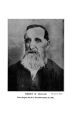
Show 90 THE UTAH HISTORICAL QUARTERLY stuck in his legging, and he would race about the place shouting and halloaing as he went. They were in no way above the cowboy of today and played the part of a Mexican or Spanish rough. The railroad brought higher civilization and education. Even greater attention to dress and fashion has its elevating influences, stimulating ambition and self-respect. The plague of grasshoppers has been a most serious matter. They would come suddenly, millions of them and eat every green thing in their way; even shawls or sheets thrown over plants or trees to protect them, would be quickly destroyed. They would be found among the skirts, under a muslin dress, eating and destroying everything. Every means was used for their, destruction ; they devastated hundreds of acres, and as they would rise and fly high in the air, the air would be darkened with them. They seemed to be massed together and to take but one direction, flying not more than 8 or 10 miles perhaps and then settling upon another field of action. The only exterminator seems to be the sea-gulls. They gorge themselves on this rich diet; they suddenly appear in the wake of the grasshoppers and will swallow them, throw them up and swallow them again. Mr. Jennings says he has seen them someiimes coming like a cloud and alighting apparently not knowing where; that on one occasion most of their number perhaps dropped into the Lake, and were blown on shore by the wind in rows of sometimes two feet deep for a distance of two miles. There was one place on the Weber, the first settlement there, where the crops were destroyed five years in succession. AMERICAN POSTS (Continued) By Edgar M. Ledyard Kearney, Fort. The first post here was built by a detachment of Missouri Volunteers. It was named Fort Childs in honor of their commanding officer. Fort Childs, also Fort Kearney, was made a depot by the Mormons while crossing the plains to Utah. In 1848, Colonel Phil Kearny arrived at the post with the Second United States Dragoons. The post was renamed in his honor, although the spelling is not the same as his family name, which was, however, spelled variously by different army officers. Colonel Kearny rebuilt the fort, planted shade trees and made other substantial improvements. The fort was located on the main overland road across the plains in the midst of powerful and hostile tribes of Indians. For that reason, it became the AMERICAN POSTS 91 central point of rendezvous between the settlements in the eastern part of the state and the Rocky.Mountains, affording protection to many emigrants and traders. Almost every branch-of the service, including volunteers, dragoons, infantry, artillery and cavalry were stationed at the post. Many officers of note also commanded it. The first buildings of the fort were made of sod and sun-dried brick, or adobe. In 1858, when Colonel C. A. May took command, he erected two sawmills arid rebuilt the post from cottonwood lumber sawed from timber on the islands of the Platte. Pawnees made demonstrations against the post at different times but inflicted no serious damage. In 1861, Captain C. L. Tyler of the Second United States Dragoons was in command of the fort. His, sympathies were with the South and under the pretext that a large body of Confederates might take the post, he ordered the sixteen field pieces there to be spiked so they might be rendered useless to the enemy. His troops became very excited at the order and threatened to take his life. Tyler became a general in the Confederate Army; he was captured and confined later at Fort La Fayette. The first settlement near the post wras made in 1859 and Kearney City, nearby, was made the county seat of Kearney county in 1860. Nebraska. Kearny, Fort Philip. One of the defenses of Washington, north of the Potomac. District of Columbia. Kearney, Fort Philip. This post, commonly known as Fort Phil Kearney, was on the Little Piney. The Little Piney is a branch of Clear Fork, which empties into the Powder River. The fort was built in 1866 and was abandoned in 1868. Fort Phil Kearney was located in a country overrun with hostile Indians who resented intrusions and settlements of the whites. The fort was well built and well designed to resist the 51 attacks it sustained. John Phillips rode out from this post into the night to give notice of the Fetterman disaster of December 21, 1866 and to bring relief to the garrison. Wyoming. Kearny, Fort Philip. Subpost of Fort Greble, Rhode Island, one and one-half miles south of Saunderstown, Rhode Island, seven miles from Newport. Newport, Rhode Island. Kellogg's Grove, Fort. In Northwestern Illinois, built during Black Hawk War. Illinois. Kelly Field. Five miles south of San Antonio, Texas. Kellyspell House: (See Kullyspell House.) Kemble Battery. One of the defenses of Washington north of the Potomac. District of Columbia. 92 THE UTAH HISTORICAL QUARTERLY Kendrick, Camp. Lakehurst. New Jersey. Kennebec Arsenal. Augusta. Maine. Kent, Fort. Junction of Fish River with the St. John's on the Canadian Frontier. This post was located about two hundred miles north of the present town of Bangor. Aroostook County. Maine. Kent Mills, Fort. Aroostook County. Maine. Kent Pit, Fort. Aroostook County. Maine. Keogh, Fort Military (1876). South bank of the Yellowstone River. Named in honor of Captain Myles Keogh, Seventh United States Cavalry, killed in the Custer massacre. The reservation contains 57,600 acres. Two miles south of Miles City. Montana. Key West Barracks, On the Island of Key West. Florida. Kiawa, Fort (1822) (Also spelled Kiowa; more modern). At site of Fort Lookout (1822-57). West bank of the Missouri River. South Dakota. Kindley Field. Aviation Field, Fort Mills, Corregidor. Philippine Islands. King, Fort. Temporary fort in Florida War in the vicinity of the Ocklawaha, seven miles west of Fort Fowle, at the junction of six roads. West of the Ocklawaha River and southeast of Ocala in Marion County. Florida. King's Fort. Levy County. Florida. King's Fort. Established prior to 1763. Georgia. Kingdon, Fort. The section of the country just south of Ogden is sometimes called South Weber. Fort Kingdon was the scene of a conflict here between Morris and his followers and the Government authorities. Morris was killed and the members of the Morrisite sect scattered. The buildings were later used for school purposes and finally passed into the hands of private individuals. Artillery was used in subduing the Morrisites. Some of the original buildings remain. Utah. Kingsbury Battery. One of the defenses of Washington, north of Potomac, near Fort De Russey. District of Columbia. Kingsbury, Fort. Temporary fort in Florida War, north side of Lake Monroe on the St. John's River, opposite Fort Mellon. Florida. AMERICAN POSTS 93 Kiowa, Fort. See Fort Kiawa. Kipp, Fort. Same site as Fort Stewart (1854). North bank of the Milk River at Poplar. Poplar is in Sheridan County on the east of Valley County. Milk River runs through this county. Montana. Kipp, Fort (1871). Canada. Kipp's Post (1825-26). East bank of the Missouri River. North Dakota. Kirby Battery. One of the defenses of Washington, D. C, north of the Potomac, near Fort Sumner. Maryland. Kissimmee, Fort. Temporary post on the west side of the Kissimmee River. Established in Florida War. Florida. Klamath, Fort. Near Klamath- Lake, forty miles north of California boundary. Klamath County. Oregon. Knox, Camp (Including Godman Field). Thirty-one miles south-west of Louisville. Kentucky. Knox, Fort. On White River. Longitude 85.10 west; latitude 39.37 north. Indiana. Knox, Fort. Left bank of the Wabash River, four miles above Vincennes, near the mouth of Maria Creek (effaced). Indiana. Knox, Fort. Opposite Bucksport at the "Narrows of the Penobscot." Maine. Kootenay, Fort (1811). Northwest Fur Company. Montana. Kootenay House (1807-08). Northwest Fur Company. Canada. Kullyspell House. According to John E. Rees in "Idaho, Chronology Nomenclature Bibliography," page 85, "This was the first establishment erected in the Columbia River Basin and was built by David Thompson for the Northwest Fur Company in the fall of 1809 on Pend Oreille Lake where Hope, Idaho, now stands. It was called Kulleyspell for the Pend Oreille Indians, that being their own name for themselves, and which is now called Kalispel (q. v.) This house was a simple log building which was soon after abandoned an'd has been totally destroyed by forest fires. Some evidences of old rock chimneys remain." Idaho. LaBarge, Fort (1862). Possibly same as Fort McKenzie (1832-43) and Fort Brule. On west'bank of the Missouri River. Montana. 94i THE UTAH HISTORICAL QUARTERLY La Baye. Fort. French fort on Green Bay, Lake Michigan. Wisconsin. La Fayette, Fort (See Fort Diamond). Verplanck's Point is the site of Fort La Fayette. "Near middle of the Narrows entrance to New York Harbor," also "in front of Fort Hamilton." New York. Lafitte, Fort. Grand Terre Island, Barataria Bay, north of Fort Livingston. Louisiana. La Formboise, Fort (1817-21). West bank of Missouri River. South Dakota. La Gallette, Fort. Now Ogdensburg, St. Lawrence County, (French and Indian War). New York. Lake, Camp. Kenoska County. Wisconsin. Lakehurst Naval Air Station. Lakehurst. New Jersey. Lake Pepin, Fort (1727), Now Pepin, Pepin County. Wisconsin. Lake View, Camp. Lake City. Minnesota. Lamar, Fort. Danielsville, Madison County. Georgia. La Moote, Fort. On La Motte Creek above Vincennes. Indiana. Lamotte, Fort. Temporary fort in Florida War, two miles southeast from Fort Floyd. Georgia. Lancaster, Fort. Near the junction of Live Oak Creek with Pecos River at Ozona, Crockett County, Texas. Lane, Fort, Military post. Southwestern part of Oregon, near Table Rock, eight miles north of Jacksonville, Oregon. Lane, Fort. Temporary fort in Florida War, west side of Lake Harney, St. John's River, Florida. Langley Field. Hampton, Virginia. Langley, Fort. The site of this fort was selected on June 29, 1827, on the left bank of the Fraser River about thirty miles above the Gulf of Georgia. Construction was begun on June 30th by a party under command of James McMillan. The post was quite well established by September 18th. On October 10th, 1828, the post was inspected by Governor Simpson and Archibald Mac- Donald was assigned to the post. In April, 1840, this fort was destroyed by fire. The new post was built three or four miles further up the Fraser. Fort Hope and Fort Thompson are north and east of this post. Canada. AMERICAN POSTS 95 La Point, Fort. Near present town of Ashland, Wisconsin. Lapwai, Fort. Near Fort Walla Walla, Washington Territory. The Whitmans settled near Walla Walla and the Spaldings at Lapwai, Sweetwater. The first printing press in the Northwest was set up at Lapwai. Nez Perce County, Idaho. Laramie, Fort. Following Fremont's recommendation, Congress, on May 19, 1846, made an appropriation of $3,000 for every post established on the Oregon road. An official order was issued from the War Department on March 30, 1849, carrying the following provision relating to the establishment of Fort Laramie: "Under the same instructions of the Secretary of War, it now becomes necessary to establish the second station at or near Fort Laramie, a trading station belonging to the American Fur Company. The garrison of this post will be two companies of the Regiment of Mounted Riflemen to be halted on the route, and one company Sixth Infantry." This same General Order No. 19 states that Fort Kearney had already been established and the establishment of Fort Hall was contemplated. A more specific supplemental order was issued April 9, 1849. The sections relating to Fort Laramie are quoted below: "I. There will be a post established at or near Fort Laramie. Its garrison will consist of Companies A and E, Mounted Riflemen, and Company G. Sixth Infantry, under the command of Major W. F. Sanderson, Mounted Riflemen. "The officers named above to command these posts, will immediately take the necessary measures for moving to and establishing their commands at their respective stations, in conformity with these orders and the special instructions that will be given them. "III. Major Sanderson will leave Fort Leavenworth by the 10th of May with Company E, Mounted Riflemen (rationed for two months), and such quartermaster's stores (tools, etc.) as may be necessary until the arrival of the remainder of his command, and will proceed to locate a post in the vicinity of Fort Laramie, agreeably to the special instructions that will be given him. The remainder of the garrison for this post (Companies A, Mounted Riflemen, and G, Sixth Infantry) will follow on the 1st of June, with the year's supplies already ordered for their post. The trains carrying supplies to the post near Fort Hall, and that in the vicinity of Fort Laramie, will immediately return to Fort Leavenworth. "IV. Assistant Surgeon C. H. Smith is assigned to duty with the troops for Fort Laramie, and Assistant Surgeon William F. Edgar with those of Fort Hall. They will immediately join those troops and report to their commanding officers, respectively." 96 THE UTAH HISTORICAL QUARTERLY In the fall of 1849, a private party erected a toll bridge for emigrants across the Laramie river near the fort. The bridge went out in '53, after which a toll ferry boat was established. Routine duty prevailed at Fort Laramie for the first few years: Letters and newspapers were far between; drinking and gambling relieved the monotony of garrison life. Many distinguished civilians visited Fort Laramie, among others, Sir George Gore, who conducted a hunting expedition of magnitude; Lord Fitzwilliams of England, noted astronomer and scientist, also spent some time at Fort Laramie; Bridger was a frequent visitor." In addition to references under Fort John, posts here have been referred to or described by Bonneville, Wislizenus, Joel Palmer, St. George Cooke, Bryant and others. "Bedlam," bachelor officers' headquarters, has been made famous through the writings of General Charles King. Bedlam is in a fair state of preservation at present (1930). It is hoped that the efforts being made to preserve this post, one of the most famous in the West, will be fruitful. Touching previous history of posts in this section, Mrs. Whitman, wife of Dr. Marcus Whitman, who reached this locality in July, 1836, made the following entry in her journal: "The buildings at Fort William, on Laramie Fork of the Platte, are made the same, but are larger and more finished than here. Here we have stools to sit on-there we had very comfortable chairs bottomed with buffalo skin. Thus you see we have a house of entertainment almost or quite as often as Christian of the Pilgrim's Progress did." In the opinion of the writer, the best account of the establishment of posts in this region previous to the formal inauguration of Fort Laramie by the United States in 1849, is given by W. H. Ghent in "The Road to Oregon," (1929) pp. 133 and 134: "The original post at this point, as has already been noted, was built in June, 1834, by Robert Campbell. In honor of his partner, William L. Sublette, he named it Fort William. A year later it was sold to Fitzpatrick, Milton G. Sublette, and Bridger, but as these men had reached an understanding with their powerful rival, the American Fur Company, it thus became virtually a company post, and in the following year (1836) the transfer was formally made. It was afterward, in honor of John B. Sarpy, renamed Fort John. To the trappers, missionaries, and travelers, however, it came to be known as Fort Laramie. Mrs. Whitman, in 1836, uses the name once, though in two other instances calling the post Fort William. Just when, if ever, the company accepted the name for the original structure cannot be said. (Continued) Utah State Historical Society BOARD OF CONTROL (Terms Expiring April 1, 1933) J. CECIL ALTER, Salt Lake City JOEL E. RICKS, Logan WM. R. PALMER, Cedar City PARLEY L. WILLIAMS, Salt Lake City ALBERT F. PHILIPS, Salt Lake City (Terms Expiring April 1, 1931) GEORGE E. FELLOWS, Salt Lake City WILLIAM J. SNOW, Provo HUGH RYAN, Salt Lake City LEVI E. YOUNG, Salt Lake City FRANK K. SEEGMILLER, Salt Lake City EXECUTIVE OFFICERS 1929-1930 ALBERT F. PHILIPS, President J. CECIL ALTER, Secretary-Treasurer Librarian and Curator Editor in Chief WILLIAM J. SNOW, Vice President All Members, Board of Control, Associate Editors MEMBERSHIP Paid memberships at the required fee of $2 a year, will include current subscriptions to the Utah Historical Quarterly. Non-members and institutions may receive the Quarterly at $1 a year or 35 cents per copy; but it is preferred that residents of the State become active members, and thus participate in the deliberations and achievements of the Society. Checks should be made payable to the Utah State Historical Society and mailed to the Secretary-Treasurer, 131 State Capitol, Salt Lake City, Utah. CONTRIBUTIONS The Society was organized essentially to collect, disseminate and preserve important material pertaining to the history of the State. To effect this end, contributions of writings are solicited, such as old diaries, journals, letters and other writings of the pioneers; also original manuscripts by present day writers on any phase of early Utah history. Treasured papers or manuscripts may be printed in faithful detail in the Quarterly, without harm to them, and without permanently removing them from their possessors. Contributions and correspondence should be addressed to the Editor, Utah Historical Quarterly, 131 State Capitol, Salt Lake City, Utah. |