| OCR Text |
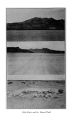
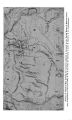
Show 86 THE UTAH HISTORICAL QUARTERLY stones, and the river so deep that the mules could not cross it except by swimming. We stopped on its southern bank about a mile from the ford. We called the stopping place the Vega de Santa Cruz (the Plain of the Holy Cross.")" * * AMERICAN POSTS (Continued) By Edgar M. Ledyard Benjamin Harrison, Fort. Ten miles from Indianapolis. A United States Military Post named for President Benjamin Harrison. Lawrence, Indiana. Bennett, Fort. Stanley County, South Dakota. Bennett, Fort. One of the defenses of Washington, D. C, south of the Potomac. Virginia. Benning, Fort. Southwest of Columbus; reservation adjoining city limits. Georgia. Benson, Camp. Newport, Maine. Benson Battery. One of the defenses of Washington, D. C, north of the Potomac. Maryland. Bent's Fort. On the Arkansas about seventy miles below the present city of Pueblo. Bent's Fort was founded in 1829 and was one of the most important places in the West for years. It was about 100 by 150 feet in size; at the time of Fremont's visit it employed 80 to 100 men. Original fort destroyed by Indians in 1853 and new post established about thirty miles down the river. Colorado. Benton Barracks. St. Louis; established during the Rebellion. Missouri. Benton, Fort (1846). On left bank of Missouri River. Established by the American Fur Company in 1846 and named after Senator Benton of Missouri. This fort replaced Fort Louis erected by the same company near Pabloy's Island, a few miles below the new site, two years before. In the same year, 1846, another company started a rival trading post in the same locality, naming it Fort Campbell for the Campbells of St. Louis. In the early Catholic Church records Fort Benton was called Fort Benton, also Fort Campbell. It appears as Fort Benton up to 1855, becomnig Fort Campbell in 1858. Fort Benton was incorporated as a town in 1865. A little later it became the location of a military post. A few companies of United States troops were quartered here for several years. Gold was offered by traders at "A few miles north of Jensen, Utah, and directly south, in front of, and in plain view from, the Dinosaur National Monument or quarry; a short distance below the big bend in the stream from west to south. AMERICAN POSTS 87 Fort Benton in 1857. Following this clue gold was discovered in many sections in the vicinity. Chouteau County, Montana. Berkeley, Camp. Lagunitas, Marin County, California. Berkeley, Camp. Pineville, South Carolina. Berry, Fort. One of the defenses of Washington, D. C, south of the Potomac. Arlington, Alexandria County, Virginia. Berthold, Fort (1845-62.) Near same site as Fort Atkinson (1859-68). Left bank of Missouri River, twenty-one miles below the mouth of Little Missouri, opposite mouth of "Dancing Bear River." Blackwater, McLean County, North Dakota. Biddle, Camp. Carlisle Barracks, Pennsylvania. Bidwell, Fort. Northeast part Modoc County. Surprise Valley, Siskiyou County, California, near upper lake. Bienvenue Barracks. Right bank of Bayou Bienvenue, about one mile from its mouth at Lake Borgne; built to defend pass to New Orleans. Louisiana. Biloxi, Fort. Established by French and formerly called Fort De Maurepas. Biloxi Bay. Mississippi. Bingham, Fort. Pleasantview, Juniata County, Pennsylvania. Built in 1749, by Samuel Bingham. Destroyed by Indians in 1756 and rebuilt by Ralph Sterrett in 1760. Bingham, Fort. In 1851-152 Mayor Farr of Ogden divided the region around the present site of Ogden into districts. The first district organized outside the boundaries of Ogden City north of Ogden River, was called Bingham Fort District in which Bingham Fort was located. Bingham Fort District was later called Lynn. Farr's Fort, Brown's Fort, Kingdon's Fort and Mount Fort were established at about the same time. Ogden, Weber County, Utah. Birdstail, Fort. Canada. Blackmore, Fort. Scott County, Virginia. Blaisdell, Fort. One of the Rebel defenses before Petersburg. Virginia. Blakely, Fort. Left bank of Blakely River opposite the mouth of Tensaw River. Built by Rebels to defend Mobile. Alabama. Alabama. Blees, Fort. Macon, Macon County, Missouri. Blenker, Fort. One of the defenses of Washington, D. C, south of the Potomac. Now Fort Reynolds. Virginia. Bliss, Fort. Left bank of the Rio Grande, near Franklin, Texas, and opposite El Paso, Mexico, (formerly El Paso Post). A United States Military Post. The strength and character of the garrison varies greatly according to conditions on the Border. In 1914 all mobile arms of the service were stationed at Fort Bliss. Fort Bliss Reservation, five miles northeast of El Paso. Texas. Block House, The. The Block House was located in North- 88 THE UTAH HISTORICAL QUARTERLY western North Carolina at the end of the Wilderness Road. North Carolina. Blount, Fort. Also called Williamsburg. Smith County, Tennessee. Blue Mounds, Fort. One and one-half miles south of East Blue Mound. Established during Black Hawk War. Wisconsin. Boise, Fort. Thomas McKay built a temporary post for the Hudson's Bay Company eight or ten miles above the mouth of the Reed or Boise River. This fort was a simple log structure and the first trading post within the present limits of Idaho. The Whitmans were entertained here in 1836. Reverend H. H. Spaulding preached a sermon at the request of the Hudson's Bay Company officials on the occasion of the Whitmans' visit to the post, Reverend Spaulding being a member of the party. This was the second sermon preached within the boundaries of present Idaho. The first sermon preached within the present limits of Idaho was delivered by Reverend Jason Lee of the Methodist Episcopal Church at Fort Hall two years before. In 1837 or 1838 the site of Fort Boise was changed by Francis Payette and a new fort was built on the east side of the Snake River about one mile north of the mouth of the Boise River. The second, or what may be called permanent Fort Boise was built of mud. In 1853 unusually high waters of the Snake River washed the second Fort Boise away and it was abandoned in 1855. The second Fort Boise was built by the Hudson's Bay Company to take business away from Fort Hall erected in 1834. In 1836, however, the Hudson's Bay Company acquired Fort Hall by purchase and Fort Hall superseded Fort Boise in importance as a trading post. The second Fort Boise was one of the most celebrated stopping points on the Oregon Trail reached after a long dry journey over the Snake River plains. In July, 1863, the United States Government began the construction of what may be called the third Fort Boise. This post was situated on a plateau overlooking the site of the present city of Boise. The third Fort Boise was built by a company of Oregon cavalry under the direction of Major Pinkney Lugenbeel. The situation of the third post was not only-beautiful but strategic. The Oregon Trail ran close to it and the Boise Basin and Owyhee mining district, which the Fort was built to protect, was connected with it by trail. Idaho. Boiling Field (District of Washington). Two miles south of the capitol, Washington, D. C. Bonneville, Fort (1832). Bonneville's first camp made in the winter of 1832-33. At the mouth of Carmen Creek a little north of the present town of Salmon, Lemhi County. The second camp made that winter was in Swan Basin, Idaho. Boone, Fort. Near Frankfort, Kentucky. Built during the Civil War. Kentucky. A M I-:R I CA N Pos i s 89 Boone's, Fort. This fort was at the end of one of the main branches of the Wilderness Road, the other branch running to Louisville, Kentucky. Later called Boonesborough, Kentucky. Borden, Camp. Ontario, Canada. Bornwell, Fort. Craven County, North Carolina. Boston Q. M. Intermediate Dept. Army Base. Boston, Massachusetts. Bouis, Fort. Same as Fort Defiance (1845). South Dakota. Bouis, Post. North Dakota. Bowie, Camp. Military Post located near Tucson. Supplies were shipped in from Fort Yuma. Tucson was the headquarters of the Military District. Arizona. Bowie, Camp. Fort Worth. Cochise County (mail Bowie) and Pima County (mail Dos Cabezos). Apache Pass. Texas. Bowyer, Fort. Site of present Fort Morgan, Mobile Point. This post was built by General Wilkinson in April, 1813. It was garrisoned by General Jackson with 160 men under Major William Lawrence and unsuccessfully attacked by the British on September 14, 1814. It was again attacked by the British on February 8, 1815, and surrendered to them on February 11, 1815. Later Fort Morgan, Mobile Bay. Alabama. Boyd, Camp. On Fort Bliss Reservation. Fort Bliss, Texas. Boyle, Fort. Muldraugh's Hill, northern boundary, between Marion and Green Counties; built during the Rebellion. Kentucky. Braden, Fort. Temporary post on the left bank of the Ocklockonee River, on the Tallahasse road eighteen miles southwest of that city. Florida. Brady, Fort. Fort Brady was located on the site of a former Indian Village named Bowating where some 2,000 Algonquin Indians lived. Bowating was later called Sault Ste. Marie. The French and Indians maintained a garrison here until about 1762. In 1820 General Louis Cass visited the fort and hauled the British flag down, putting up the flag of the United States. Colonel Hugh Brady occupied the post in 1822 and built a cantonment. The present site of the post was selected by General Philip H. Sheridan. Right bank of Sault Sainte Marie, at the "Falls." The post contains seventy-five acres. In 1914 an infantry detachment constituted the garrison. About one mile west of Sault Ste. Marie, Michigan. Bragg, Fort. Two miles north of Noyar River and fifty miles south of the Mendocino. Named for General Braxton Bragg who succeeded Captain U. S. Grant at this post. On Mendocino Indian Reservation. Mendocino County, California. Bragg, Fort. Ten miles northwest of Fayettsville. Artillery camp. North Carolina. 90 THE UTAH HISTORICAL QUARTERLY Branch, Camp. Cummings, Humpton County, South Carolina. Branch, Fort. Gibson County, Indiana. Branch, Fort. Logan County, West Virginia. Brandon House (1794). Hudson Bay Company, Canada. Brank, Camp. Green Ridge, Pettis County, Missouri. Brasseau's Houses. Trading posts. Montana. Brasseaux, Fort (1822). South Dakota. Brazos River, Post on. At Phantom Hill, two hundred and fifty miles northwest of Austin. (See Fort Phantom Hill). Texas. Breckinridge, Fort. At the junction of the Aravaypa and San Pedro rivers. Formerly Fort Aravaypa (Arivaipa), now Fort Grant, New Mexico (old boundary) Graham County. Arizona. Bremerton Washington Naval Station. Reached by steamer from Seattle. Washington. Brewerton, Fort. Onondaga County. Present town of Brew-erton. New York. Bridger, Fort. Valley of Black's Fork, one hundred miles east of Salt Lake City. Established summer of 1843 by James Bridger. Bridger founded the fort in Mexican territory. Bridge t s original fort occupied a space of about two acres. The site is known but the buildings obliterated (1923). Part of the cobblestone wall built by the Mormons was in existence in 1923. The cobblestone wall referred to above, a cattle corral, and other improvements were made by the Mormons in 1855. In 1857 the fort was burned by the Mormons on the approach of Johnston's Army. In November of the same year it was leased by the United States Government by Captain John H. Dickerson. Fort Supply was located on Smith's Fork twelve miles from Fort Bridger. Camp Scott was three miles below Fort Bridger on Black's Fork. In 1858 Fort Bridger was the headquarters station for a mail and passenger stage line. In 1860 it was made a pony express station. In March, 1861, it was also made a home station for the Overland Stage Line and the same year the pony express stables were turned over to the Overland Stage Line. In 1866 Wells Fargo & Company maintained headquarters at Fort Bridger. The Union Pacific, completed in 1869, absorbed the stage business. The post was garrisoned by troops from 1857 to 1878. From 1878 to 1880 the post was without a garrison. In 1883 the post was rehabilitated to care for an enlarged garrison. Troops were withdrawn in November, 1890. In 1923 many of the buildings used by the military were in a fair state of preservation. Officers' row, the parade grounds and the general layout were easily recognized. One of the post buildings was used as a hotel at that time. Judge Carter succeeded Bridger. aside AMERICAN POSTS 91 from Mormon and military occupancy noted above. His heirs own the property at present (1928). Camp Scott was located near Fort Bridger. Fort Bridger was included in the early boundaries of Utah. Uinta County, Wyoming. Brook, Fort. Head of Tampa Bay, east of the mouth of Hillsboro River at Tampa, Florida. Tampa, Hillsborough County, Florida. Brooke, Fort Frank. Head of Dead Man's Bay, on right bank of the Esteinhatchee (Steinhatchee) River. LaFayette County, Florida. Brooklyn Navy Yard. New York. Brooks Field. Seven miles southeast of San Antonio, Texas. Brooks, Fort. Temporary work in Florida War, on the left bank of the Ocklawaha River, north of the mouth of Orange Lake Creek. Florida. Brooks, Fort. Orange Springs, Marion County, Florida. Bross, Fort. One of the Rebel defenses Petersburg, Virginia. Brown, Fort. See Plattsburg Barracks. New York. Brown, Fort. At the junction of the Auglaize and Little Auglaize Rivers, Paulding County, fifteen miles south of Fort Defiance, Ohio. Brown, Fort. Left bank of the Rio Grande, Brownsville, opposite Matamoras, Mexico. This fort was built by General Taylor during the Mexican War. Turned over to the Interior Department in 1911. Brownsville, Texas. Browne, Fort. Temporary work constructed in Florida War, ten miles due east of Pilatka, on St. John's River. Florida. Brown's Fort. Miles Goodyear obtained a grant of land from the Mexican Government in 1841.- Under this he claimed the tract of land beginning at Weber Canyon, following the base of the mountains north to the Hot Springs, thence west to Great Salt Lake along the shore to a point opposite Weber Canyon and thence back to the beginning. This land extended about eight miles north and south and from the base of the mountains east to the shores of Salt Lake on the west. Goodyear built a picket fort and a few log houses ori land now occupied by the Union Pacific Railroad Company in Ogden. Goodyear was living at the fort with a few mountaineers and half-breed Indians when Captain James Brown of the Mormon Battalion arrived. Captain Brown purchased all of his rights for the sum of $3,000.00. Captain Brown established a colony at Ogden in the Spring of 1848 and located in this section. The fort built by Goodyear and later occupied by the Mormons was renamed Brown's Fort. Farr's Fort, Bingham Fort, Mount Fort and Kingdon's Fort were in the same vicinity. Ogden, Utah. Browning, Fort (1869-70). Montana. Brule, Fort. Montana. 92 THE UTAH HISTORICAL QUARTERLY Buchanan, Fort. Near Calabasas Ranch, forty-five miles southeast of Tucson. Mail from Nogales. Arizona. Buckeye, Fort. Source of the" Esteinhatchee River; temporary work in the Florida War. (See Fort Barker). Florida. Buffalo Barracks. Erected at Buffalo during Canada Border disturbances. On the eastern extremity of Lake Erie. (See Fort Porter). New York. Buffalo, Fort. One of the defenses of Washington, D. C, south of the Potomac. Virginia. Buffalo Grove, Fort. Erected during the Black Hawk War. Illinois. Buford Camp. Junction of the Snake and Bruneau Rivers. Idaho. Buford, Fort (1866). Left bank of the Missouri River, five miles above the mouth of the Yellowstone River. Mail Willis-ton. Williams County, North Dakota. Buford, Fort John. Near Lodge Pole Creek Route, two miles east of Big Laramie. (Lodge Pole Creek is in Perkins County. Big Laramie not on maps consulted. Apparently in Standing Rock Indian Reservation). South Dakota. Bullis Camp. Beckman, Texas. Bunker Hill, Fort. One of the defenses of Washington, D, C, north of the Potomac. District of Columbia. Burgwin Cantonment. Near the source of the Rio Grande, nine miles north of Taos. New Mexico. Burke, Camp. Angelica, New York. Butler, Camp. Established during the Civil War. Illinois. Butler, Fort. Left bank of St. John's River, opposite Volusia; temporary post established in the Florida War. Florida. Butler, Fort. Donaldsonville, right bank of the Mississippi, east side of the mouth of Bayou Lafourche. (Built during the Rebellion.) Louisiana. Butler, Fort. San Miguel County, Tucumcari, New Mexico. Byington, Fort. One of the defenses of Knoxville, west of the city and north of the Holston River. Tennessee. Caban, Fort. Stood at mouth of Panca Creek ("Ponca" Creek flows into the Missouri River at a point about 5 miles east of Verde in the northwestern part of Knox County). Nebraska. Cadotts' House (1798). Northwest Company. Minnesota. Cady, Camp. Fort Mojave road, one hundred and fifty miles west of Wilmington. California. Cahokia, Fort. Across river from junction of Mississippi and Missouri Rivers; in Madison County. Illinois. Calgary, Fort. Canada. Calhoun, Fort. Right bank of the Missouri River, seventeen miles above Omaha City. Formerly Fort Atkinson. Site of AMERICAN POSTS 93 old "Council Bluffs" of Lewis and Clark. Present town of Fort Calhoun on same site. Washington County. Nebraska. Calhoun, Fort. Rip-Raps, Hampton Roads, mouth of James River (now Fort Wool). Virginia. Call Field. Wichita Falls, Texas. Call Fort. Temporary fort on the right bank of Santa Fe River, eight miles due north from Newmansville. Florida. Call's Fort. Near Bear River City. Built by Anson Call, a Mormon Pioneer. Station on Utah and Idaho Northern Railroad. Box Elder County, Utah. Cameron Battery. One of the defenses of Washington, north of the Potomac. District of Columbia. Cameron, Camp. Military post located near Tucson. Supplies were shipped in from Fort Yuma. Tucson was the headquarters of the Military District of this section. Arizona. Camerrr. Camp. Foot of Santa Rita Mountains, fifteen miles northwest of Tubac. Arizona. Cameron, Fort. On January 12, 1872, C. M. Hawley, Associate Justice of the Second Territorial Judicial District of Utah, addressed a letter to General Ord, commanding the military de-r-+ r.pt,t of tVie Platte, r^op-imending the establishment of a military post in southern Utah. General Ord transmitted this litter wiih his recommendations to Secretary of War Belknap. Act ng on these suggestions a battalion consisting of companies E, G, I, and D, 14th United States Infantry, under command of Colonel Wilkins, established a temporary camp in May, 1872. ^he SOH'TS were at first quartered in tents along the Beaver River. The barracks were built in 1873. The site of Post Cameron was selected by General Ord and was first called the "Post of Beaver." On July 1, 1874, by order of General Sheridan, the name Was changed to Fort Cameron in honor of Colonel James Cameron, an officer from New York who was killed during the Civil War on July 21, 1861„ General Sheridan visited Fort Cameron in 1882. After this visit General Sheridan recommended that the War Department sell the buildings, in which about $200,000 had been invested, to the highest bidder at auction and this was • done. Tohn R. Murdock and his associates purchased Fort Cameron on April 30th, 1883, for $4,800. The first purchase did not include the land but Mr. Murdock later obtained title to the land also. A branch of Brigham Young Academy was established at Fort Cameron. It ran under the name of Beaver Branch until 1911 when the name was changed to Murdock Academy in honor of Mr. Murdock. Murdock Academy used part o£ the old buildings and erected! some new ones. Murdock Academy was abandoned in May, 1925. Two miles northeast of Beaver, Beaver County, Utah. Camp Augur. (See Fort Washakie). Wyoming. 94 THE UTAH HISTORICAL QUARTERLY Camp Biddle. (See Carlisle Barracks). Pennsylvania. Camp Bowie. (See Bowie, Camp). Arizona. Camp Chehalis. (See Chehalis, Fort). Washington. . Camp Coldwater. (See Fort Snelling). Minnesota. Camp Floyd. Established in 1858 by General Albert Sidney Johnston. Forty-four miles southwest of Salt Lake City. Later called Fort Crittenden. Fairfield, Utah County, Utah. Camp Ord. (See Apache, Fort). Arizona. Campbell, Fort. (See Benton, Fort). Montana. Campo. Post of Southern California Border District. California. Canby, Fort. Temporary fort established in Navajo Country. Rehoboth, McKinley County, New Mexico. Canby, Fort. Military Post. (1864). Subpost of Fort Stevens, ten miles from Fort Stevens, mouth of Columbia River. Originally called Fort Cape Disappointment-name changed to Canby in honor of officer killed in Modoc war. Troops withdrawn in 1905-06 while rebuilding. Coast Artillery post in 1914. Illwaco, Pacific County, Washington. Cape Disappointment, Fort. Mouth of Columbia River. (See Fort Canby). Washington. Cape May (Aviation). Cape May, -New Jersey. Capron, Fort. Right bank of Indian River opposite Indian River Inlet. Florida. Caribou, Camp. Wilson Mills, Maine. Carillon, Fort. An old French fort at Ticonderoga. In 1759 an English force under General Amherst advanced from Ticonderoga toward Fort Carillon. The French, afraid to make a stand, destroyed the fort and retreated down the lake to Fort Frederic, on Crown Point. New York. Carlin, Camp. Cheyenne, Laramie County, Wyoming. Carlisle Barracks. Near Carlisle (Cavalry School for Practice). This post is one of the oldest in the country, having been founded on its present site early in the Revolutionary War. The principal early buildings were built in 1777 by Hessian prisoners. Camp Biddle was maintained at Carlisle during part of the Civil War. This place was raided on July 1, 1863, by Brigadier General Fitzhugh Lee and Major General J. E. B. Stuart. Pennsylvania. Carlstrom Field. Seven miles southeast of Arcadia, Florida. Carlstrom Field. Florida. Carney, Fort. On east bank of Tombigbee River in southern section of Clarke county. Alabama. Caroline, Fort. In 1564 French Huguenots, under Rene de Laudonniere, landed at or near the site of St. Augustine, Florida, and erected Fort Caroline. On September 8th, 1565 Menendez landed at the same place and built Fort San Augustin and then destroyed Fort Caroline and massacred its inhabitants. St. Augustine, Florida, AMERICAN POSTS 95 Carroll, Fort. One of the defenses of Washington, southeast from Giesboro' Point. District of Columbia. Carroll, Fort. Right bank of the northeast branch of Pease Creek; temporary fort established in the Florida War. Florida. Carroll, Fort. On the Patapsco River, eight miles below Baltimore, Maryland. Carruthers Field. Fort Worth, Texas. Cascades, Fort. Military Post. Right bank of Columbia River, below the rapids. Washington. Casey, Fort. Temporary fort at Charlotte Harbor. Florida. Casey, Fort. Five miles from Port Townsend and fifty-three miles from Seattle. In 1914 the garrison consisted qf three companies of coast artillery. It is one of our important coast defenses. Washington. Casimir, Fort. An old Dutch fort built by Peter Stuyvesant in 1651 on the Delaware River on the site of the present New Castle, New Castle County. New Castle was the landing place of William Penn in 1682. Delaware. Caspar, Fort. Platte Bridge, left bank of North Fork of Platte River. Casper, Wyoming. Cass, Fort (1832-35). (Same as Tollock's Fort). This trading post was located three miles below the Big Horn on the Yellowstone River. This post was at one time under Samuel Tollock formerly with the Rocky Mountain Company. Fort Cass belonged to the Rocky Mountain Fur Company. Montana. Cass, Fort. Temporary fort established in Creek War. Tennessee. Cass, Fort. One of the defenses of Washington, D. C, south of the Potomac. Virginia. Cassville, Fort. Founded in Black Hawk War. Nearsite of present town of Cassville on east bank of the Mississippi River. Wisconsin. Castine Battery. East side of Penobscot Bay, entrance to Castine Harbor and Penobscot River, nine miles from Belfast on the opposite bank. Maine. Castle Garden. New York. Castle Pickney. On Island at mouth of Cooper River. South Carolina. Castle William (See Fort Independence). New York. Caswell, Fort. East end of Oak Island, mouth of Cape Feat River. North Carolina. Caswell, Fort. Thirty-five miles from Southport by rail and twenty-seven miles from Wilmington. North Carolina. Cedar, Fort. Same as Fort Recovery (1822-23). South Dakota. 96 THE UTAH HISTORICAL QUARTERLY Cedar, Fort. West of Lehi on one of the roads across Cedar Valley to Fairfield. Built as protection against the Indians. Latter- day Saints' Meeting House stands in old enclosure. Utah County, Utah. Center, Fort. Temporary fort on the left bank of the Thia-thlopopkahatchie, three miles from its mouth on the Okeechobee Lake. Florida. Chadbourne, Fort. Near left bank of Oak Creek about seventeen miles above its junction with the Colorado. Coke County. Texas. Chambly, Fort. About thirty miles east of Montreal. British Post in Revolutionary War. Canada. Champlain Arsenal. Vegennes, Addison County, Vermont. Chandler Field. Essington, Pennsylvania. Chanute Field. One mile southeast of Rantoul, Illinois. Chaplin, Fort. One of the defenses of Washington, southeast from Benning's Bridge. District of Columbia. Chapultepec. (Fortified hill and castle). A small hill, three miles southwest of the city of Mexico, rising about 150 feet above the surrounding plain. In the war between Mexico and the United States the hill was strongly fortified by the Mexicans and was the scene of the last serious conflict of the war on September 12-13, 1847. Mexico. Chardon, Fort (1843-44). Montana. Charles, Fort. Montana. Charles, Old Fort. This post was located on Parris Island, South Carolina and was built in 1562 by Jean Ribault. It was situated on Means Creek which opens into the mouth of what is known as Beaufort River, just west by south of Marsh Island, The Fort was restored through Congressional assistance. A bill was passed in June, 1924, authorizing approximately $10,000 to be used in this connection. "Old Fort Charles was situated on a small island in Archer's Creek, a few miles from the present town of Beaufort, South Carolina."-Library of American History, edited by Edward S. Ellis. South Carolina. Charleston Arsenal. Charleston, South Carolina. Charleston Ordinance Reserve Depot. One mile east of North Charleston, Charleston, South Carolina. Charleston Port Terminal. Charleston, South Carolina. Charlotte, Fort. Also called Fort Conde. Mobile, Alabama Charlotte, Fort. (Old and effaced). Mobile, Alabama. Charlotte, Fort. Canada. Chartres, Fort. Mouth of Kaskaskia. Short distance south of Fort Cahokia. Prairie du Rocher, Randolph County, Illinois. Chase, Camp. Near Columbus; established during the Rebellion. Franklin County, Ohio. (To be Continued) |