| OCR Text |
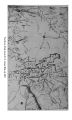
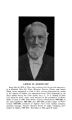
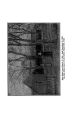
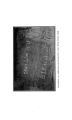
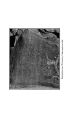
Show AMERICAN POSTS 113 AMERICAN POSTS (Continued) By EDGAR M. LEDYARD, President UTAH HISTORICAL LANDMARKS ASSOCIATION (Organized August 23,1929) Utah Historical Landmarks Association Museum 518 CHAMBER OF COMMERCE BUILDING, SALT LAKE CITY McPherson, Fort. One of the Civil War defenses of Washington, D. C, south of the Potomac, near Arlington Heights. Virginia. McRae Fort. At entrance to Pensacola Bay, ten miles from Pensacola. Subpost of Fort Barrancas. Also located as on Foster's Bank, opposite Fort Pickens at the entrance to Pensacola Harbor. Florida. McRae, Fort. Temporary work east side of Okeechobee Lake and about due east from Fort Center. Built in Florida War. Florida. McRae, Fort. At Ojo-del-Muerto, thirty-five miles south of Fort Craig near San Marcial, Socorro County. New Mexico. McRae, Fort. Near Poplar Grove Church. Virginia. Meade, Camp. Eighteen miles southwest of Baltimore, at Admiral. Maryland. Meade, Fort. Temporary work on the right bank of Pease Creek, about three miles north of the mouth of Bowlegs Creek; established in Florida War. Polk County. Florida. Meade, Fort. First called Camp Ruhlen. Two miles from Sturgis. This fort was established in 1878 to protect settlers against Indian attacks. It was improved and made modern in 1902. The reservation comprises 7,842 acres. In 1914 it was garrisoned by a regiment of cavalry. South Dakota. Mechanic, Fort. At Charleston. South Carolina. Medicine Butte, Camp. Near Evanston. Wyoming. Meigs, Fort. One of the defenses of Washington, on the southeastern boundary of the district. District of Columbia. Meigs, Fort. Just below the rapids on right bank of the Maumee River about twenty-seven miles from Lake Erie and seventy miles south of Detroit, midway between the two islands below the rapids, near Perrysburg. Built and besieged in 1813. This post is noted for operations under General Harrison, General Proctor, General Clay, noted Indian chiefs, and others. Ohio. 114 THE UTAH HISTORICAL QUARTERLY Meikle, Fort. At Petersburg. Virginia. Mellon, Fort. Temporary fort south of Lake Monroe, three miles from its "mouth"; established in Florida War. Florida. Menlendael, Fort. Near Philadelphia. Pennsylvania. Menninger, Fort. Near mouth of Warrior Run. Pennsylvania. Mercer, Fort. At Red Bank. Ten miles south of Camden on left bank of Delaware River, opposite Fort Mifflin, Pennsylvania. During the Revolutionary War it formed one of the defenses of the city of Philadelphia. Fort Mercer and Fort Mifflin were noted for operations of General Howe, General Greene, the Hessians and others during the Revolutionary War. New Jersey. Merrill, Fort. Right bank of the Nueces River, fifty-two miles northwest of Corpus Christi. Texas. Miami, Fort. Old French Fort on Maumee River at the foot of Maumee Rapids. Later a British military post. Present site of Fort Wayne. Indiana. Miami, Fort. At mouth of Josephs River. Michigan. Miami, Fort. On Missouri River, a little below Fort Osage. Missouri. Miamie, Fort. On Maumee River. Ohio. Micanopy, Fort. At Micanopy. Temporary fort established in Alachu County in Florida War, five miles west of the head of Orange Lake. Florida. Michault, Fort. On French Creek. Pennsylvania. Michie, Fort. On Long Island. Subpost of Fort Terry, eleven miles from New London, Connecticut. See Fort H. G. Wright, New York. Michilimackinac, Fort. Also called Fort Holmes, Mackinac Island. Michigan. Middleton, Fort. On Kaskaskia River. Illinois. Mifflin, Fort. On Mud Island, Delaware River, below the mouth of the Schuykill. One of the defenses of the City of Philadelphia. Noted in American history for its siege and capture by the British during the Revolutionary War. Pennsylvania. Miley, Fort. Subpost of Fort Winfield Scott in the City of San Francisco, near Golden Gate Cemetery. California. Mill, Fort. York County. South Carolina. Millar, Fcrt A. S. Temporary fort in Florida War; northwestern extremity of Okeefinokee Swamp. Georgia. Miller, Fort. On left bank of San Joaquin River in foothills of Sierra Nevada Mountains at Millerton. California. Miller, Fort. At Nangus Head, at the southeast entrance to Salem Harbor. Massachusetts. Miller, Fort. Washington County. New York. Milliken, Fort. In Washington County. Pennsylvania. AMERICAN POSTS 115 Millrock, Fort. In the middle of East, River, at the mouth of Harlem River. New York. Mills, Fort. Ten miles from Newnansville. Florida. Mimms, Fort. Old post on Lake Tensas. Florida. Mims, Fort. Stockade, one and one-half miles from the left bank of the Alabama River, and one mile south of Fort Montgomery; captured by Indians in 1813. This post is noted as being the scene of an Indian massacre on August 30, 1813 during the Creek War. About five hundred men, women and children had assembled here for protection. When the fort was captured all were killed with the exception of a few negroes and half-breeds who were taken prisoners, and fifteen persons who escaped. Alabama. Minnisink, Fort. In Orange County. New York. Minter's Fort. Near Pennsville. Pennsylvania. Miro, Fort. On Washita River, about 100 miles above its mouth. Louisiana. Mississippi, Fort. At Poverty Point, 38 miles below New Orleans. Louisiana. Missoula, Fort. This post is located about three miles southwest of the city of Missoula. The history of the fort began in '76 or '77 when it was decided to remove Indians from the Bitter Root Valley to the Flat Head Reservation. The post was established by Major C. A. H. McCauley. Montana. Mitchell, Camp. At Junction of Spoon Hill Creek and North Fork of Platte River. Nebraska. Mitchell, Fort. Now a town of that name; right bank of the Chattahoochee, ten miles below Columbus. Russel County. Alabama. Mitchell, Fort. Temporary fort on left bank of south branch of Tenahallama River, where it is crossed by the old road to Tallahassee from Fort Barker; established during the Florida War. Florida. Mitchell, Fort. Formerly Camp Mitchell. Erlanger, Kenton County. One of the defenses of Covington, Kentucky and Cincinnati, Ohio. Kentucky. Mitchell, Fort. (1833-37). On Missouri River, near Ponca Post (1852-'53). South Dakota. Mitchell, Fort. Lunenburg County; now town of that name. Virginia. M. J, Turnay, Fort. According to Elliott Coues, editor of "Forty Years a Fur Trader" by Charles Larpenteur, Coues visited this post in the latter part of June, 1874. According to Coues, it stood on "Frenchman's River" near the parallel of 49 degrees north. On the Canadian side of the boundary stood Woody Mountain Post. Montana. 116 THE UTAH HISTORICAL QUARTERLY Moffart, Fort. North bank of the Milk River. Montana. Mogollon, Fort. Later called Fort Apache. Arizona. Mohican, Fort. Near Manhattan. New York. Mojave, Fort. Left bank of the Colorado at Bent's Crossing, head of Mojave Valley. Near Mohave City, Mohave County. Arizona. Moniac, Fort. Temporary fort, right bank of St. Mary's River at Hogan's Ferry; established in Florida War. Florida. Monroe, Fort. (See Fortress Monroe.) Monroe, Fortress. One of the defenses of Hampton Roads, at Old Point Comfort. Named in honor of President James Monroe. Point Comfort was so called because the English Colonists found solace when they landed at this place in 1607. Appropriation made for post March 1, 1821; the first garrison was stationed here in 1823. Commanding the entrance to Hampton Roads. Virginia. Monsonis, Fort. Monsonis- was one of a number of posts established by the English on Hudson Bay. In 1685, DTberville with a party of French-Canadian regulars successively captured Fort Monsonis, Fort Rupert and Fort St. Anne. Fort Monsonis was a four-bastioned type and carried fourteen guns. The English not only lost these posts but the French carried away furs and stores amounting to a quarter of a million dollars. Canada. Montagne a la Basse, Fort. Built by Northwest Fur Company. Canada. Monterey, Fort. At Monterey. California. Montgomery, Fort. Three miles from left bank of the Alabama, in Baldwin County, opposite the "Cut-off" between the Tombigbee and the Alabama Rivers. Alabama. Montgomery, Fort. Near San Francisco. California. Montgomery, Fort. Latitude 30° 31', longitude 87° 15'. Florida. Montgomery, Fort. Rouse's Point, commanding outlet of Lake Champlain. Clinton County. New York. Montgomery, Fort. Six miles below West Point on the west bank of the Hudson River. Built in 1777 by the Americans to close the river against the British. From Fort Montgomery the Americans stretched a chain and boom across the Hudson to Anthony's Nose, to prevent vessels from passing up the stream. These barriers were broken by the British. New York. Montgomery, Fort. In Cherokee County. North Carolina. Monuments, Fort. Left bank of Smoky Hill River, west side of the mouth of Monument Creek, 92 miles west from Fort Hays. Kansas. AMERICAN POSTS 117 Moore, Fort. Established about 1716 at Allatoona Pass. Located near present site of Augusta; also known as Savannah Town in early days. Georgia. Moore, Fort. On Savannah River, 120 miles from Charleston. South Carolina. Moosa, Fort. Built about 1740. Located two miles north of St. Augustine on west bank of River Diego. Florida. Moose, Fort. South end of St. James Bay in Hudson Bay at the mouth of the Moose River. Canada. Moreau, Fort. See Plattsburg Barracks. Principal work of the defenses of Plattsburg in 1814. Fort Moreau and Fort Scott near it are accurately located by markers. Fort Brown in the vicinity may be "made out" through remaining earthworks. New York. Morgan, Fort. A strong post on Mobile Point, entrance to Mobile Bay, site of old Fort Bowyer; 33 miles from Mobile. The guns of Fort Morgan were mounted in three tiers; in 1863 it had a garrison of 640 men. In 1914 the garrison consisted of two companies of Coast Artillery. The reservation comprised 322 acres. Alabama. Morgan, Fort. Right bank of South fork of the Platte, 100 miles southwest of Julesburg in Morgan County. Now a city of the same name. There is a monument on the site of the old fort which at one time marked the Denver and Pikes Peak Cut-off from the Overland Trail. Colorado. Morgan, Fort. At Davis Mills. Mississippi. Morgan, Fort. At the south side of Ocracoke Inlet. Confederate work captured by Federals. North Carolina. Morgan, Fort. One of the "fort cards" in the Chicago Public Library reads as follows: "This fort (Fort Morgan) was established in 1865; was abandoned in May, 1868. Its garrison was transferred to Fort Laramie. It was located about sixty miles north of Laramie Station on the North Platte River at the west base of what is known as Scott's Bluff, Wyoming." Camp Robinson, afterwards called Fort Robinson, is approximately sixty miles north of Scott's Bluff in Dawes County, formerly a part of Sioux County. Fort Morgan, well-known Colorado post, is on the South Platte, 125 miles south of Scott's Bluff. No fort nor any site of a post has been found on the west slope of Scott's Bluff nor 60 miles north of either of the "Laramie stage stations" in Wyoming. Morris, Fort. A Revolutionary War fort commanded by Colonel John Mcintosh. At Sunbury. Georgia. Morris, Fort. Built as a defense against the Indians after the defeat of General Braddock. Begun in 1755 and finished 1757 by citizens of Shippensburg, Cumberland County, working 118 THE UTAH HISTORICALQUARTERLY under the direction of Colonel Burd. There were two forts in Shippensburg-Fort Morris and Fort Franklin. It is not clear, however, whether Fort Franklin was a separate post or the predecessor of Fort Morris. Fort Morris was named after Governor Morris of Pennsylvania. The post was built on a rocky hill in the west part of town. Its walls, about two feet thick, were of stone with openings in them several feet from the ground. The roof was constructed of timber. The post was frequently garrisoned by Provincial troops and used as a depository for arms, ammunition and provisions for armies on the frontier or when marching west. Pennsylvania. Morris, Fort. Near Richmond. Virginia. Morris, Fort. East of Uniontown. West Virginia. Morrisons Fort. At Colerain, Franklin County. Massachusetts. Mortimer, Fort. (1843-46) Same as Fort William 1833-34. Junction of the Yellowstone and Missouri Rivers. North Dakota. Morton, Fort. On Kotzebue Sound. Alaska. Morton, Fort. At Nashville. Tennessee. Morton, Fort. Earthwork constructed before Petersburg during the siege of that place. Virginia. Morton, Fort. One of the defenses of Washington, D. C. south of the Potomac. Virginia. Moschelosburg, Fort. See Elfsborg and Elsinburg. New Jersey. Mose, Fort. See Fort Moosa. Florida. Mott, Fort. Six miles northwest of Salem, on Salem Branch of Pennsylvania Railroad, at head of Delaware Bay. New Jersey. Mott, Fort. At Pittsford. Also called Fort Vengeance. Vermont. Motte, Fort. British work, right bank of Congaree River, at Devil's Elbow, 4 miles due east of the Wateree. Present town of same name in Calhoun County not on The Congaree River. Calhoun County. South Carolina. Moultrie, Fort. Near St. Augustine. Florida. Moultrie, Fort. West end of Sullivan's Island, north of main entrance to Charleston Harbor and six miles from Charleston. Fort Moultrie was the scene of operations in the summer of 1776 when the British attempted to take Charleston to make that place a base of operations against the Southern Colonies. The British attack was unsuccessful but on May 7, 1780, the fort surrendered to the British. In 1860 a United States garrison was assigned to this post. A little later Major Robert Anderson moved the garrison from Fort Moultrie to Fort Sumpter. South Carolina. AMERICAN POSTS 119 Mound, Fort. At the Blue Mound. Wisconsin. Mountain, Fort. Chatsworth, Murray County. Georgia. Mount Defiance, Fort. Near Ticonderoga. New York. Mount Malady, Fort. At Flenrico. Virginia. Mud, Fort. An old fort at the town of Sackett's Harbor New York. Mud, Fort. At Springfield. Ohio. Mud, Fort. Near mouth of Red River. Texas. Mudge, Fort. Temporary fort during Florida War, near Okeefinokee Swamp, nine miles southeast of Fort Floyd. Georgia. Mudge, Fort. At Racepond, Pierce County. Georgia. Mumford, Fort. Established by the Hudson's Bay Company in 1835. Fort Mumford was about 60 miles from the mouth of the Stikeen River. Another post, Fort Glenora, was established the same year, 20 miles above Fort Mumford. Fort Mumford and Fort Glenora were fur trading posts. When the gold seekers over-ran the country and frightened the game away, these posts were abandoned. Canada. Muncy, Fort. This post was built by Colonel Thomas Hartley in 1778 at the urgent request of Mr. Samuel Wallis. The old fort stood a few hundred years in front of a famous stone mansion built in 1769, known as Hall's House. Fort Muncy was destroyed by the Indians in 1779 and rebuilt in 1782. The site of the old fort is one-half mile above Hall's Station and four miles from Muncy, Lycoming County. The Philadelphia-Reading Railroad was built through the old fort. Pennsylvania. Murray, Camp. Near Peoa, 40 miles from Salt Lake City. Utah. Musa or Muse Fort. See Fort Moosa. Florida. Musselshell, Fort. Leedy, Fergus County. Montana. Myakka, Fort. Temporary fort on Myakka Creek, about eleven miles due east from Fort Hartsuff, on right bank of Pease Creek; established in Florida War. Florida. Myer, Fort. Fort Myer is located on historical ground. Actual building was begun in 1872 but it was "founded" in 1863. At that time the post there was known as Fort Whipple. This was formerly the estate of the Lees. The property was confiscated in 1861. The post is four miles southwest of Washington, on the Potomac River. The post was named after General A. J. Myer, the founder of the signal service of the United States Army. A squadron of cavalry and battalion of field artillery are usually located there. Virginia. Myers, Fort. See Fort Harvie. Temporary fort, left bank of the Bayou Caloosahatchie (Caloosahatchee) about fifteen miles 120 THE UTAH HISTORICAL QUARTERLY north of Fort Dulany; established during Florida War. Lee County. Florida. Mystic, Fort. On Mystic River. Connecticut. Nacogdoches, Fort. At town of same name. Texas. Nahucke, Fort. In Greene County. North Carolina. Nansemond, Fort. Near Suffolk. Virginia. Narragansett, Fort. Near site of Kingston. Rhode Island. Nash, Fort. An old fort at the source of Norton's Creek, northeast from Shelbyville. Tennessee. Nashborough, Fort. Now Nashville. Tennessee. Nassau, Fort. In 1623, Mey, a Dutch explorer, built Fort Nassau, just above the Schuylkill, near the present sit of Philadelphia. New Jersey. Nassau, Fort. Built about 1614. Rensselaer County. New York. Nassau, Fort. On Castle Island, Hudson River. New York. Natchez, Fort. Near Natchez. Mississippi. Natchez, Fort. On the Washita and Little Rivers. Mississippi. Necessity, Fort. Franklin County; now town of that name, twenty miles south of Winnsboro. Louisiana. Necessity, Fort. Near the Scioto River, thirteen miles north of Fort McArthur on the road to Fort Finley in Hardin County. Ohio. Necessity, Fort. Old French Fort in southwestern Pennsylvania on Monongahela River, now Great Meadows. Pennsylvania. Neches, Fort. On River Neches. Texas. Neck, Fort. On Long Island. New York. Negas, Fort. On Penobscot River. Maine. Negley, Fort. At Chattanooga. Tennessee. Negley, Fort. At Nashville. Tennessee. Negro, Fort. South of Fort Scott on Apalachicola River. Built by Captains Percy and Nichols. Used as headquarters for arming Indians and runaway negroes to make war on frontier settlements. Commanded by a negro by the name of Garcia. This post was captured by Colonel Clinch. Garcia and a Choc-tow chief were put to death; $200,000.00 worth of propertv was found in the fort. Florida. Negro, Fort. In southeast part of state. New York. Neilson, Fort. Near Bemis Heights. New York. Nelson, Fort. At Louisville. Kentucky. Nelson, Fort. West side of Norfolk Harbor, opposite Fort Norfolk. Virginia. Nesqually, Fort. See Fort Nisqually. Washington. AMERICAN POSTS 121 New Amstel, Fort. At Newcastle. See Niewar Amstel. Delaware. New Bedford, Fort. Clark's Point, New Bedford Harbor. Massachusetts. Newberry's blockhouse. Below Belpre. Ohio. New Brighton Blockhouse. At New Brighton. Pennsylvania. New Casco, Fort. On Presumpscot River. Maine. New Gottenburg, Fort. On Timicum Island. Delaware. New Madrid, Fort. Near New Madrid. Missouri. Newport, Fort. Near Mohawk River. New York. Newton, Fort. On Staten Island, at Fort Wadsworth. New York. Nez Perces, Fort. In 1818 Donald McKenzie received orders from the east to build a fort among the Nez Perce Indians as a central depot for the interior; Alexander Ross was appointed to take charge of it. On July 11, 1818, McKenzie, Ross and ninety- five other men camped near the mouth of Walla Walla River and selected a site for the fort. The name was a misnomer since the Indians living in the vicinity were Walla Wallas and Cay-uses. The fort was built on the same site where Lewis and Clark held a peace celebration, another anomaly since it was considered a very dangerous point. The building of this fort was one of the activities which marked the opening of the Snake country. This post was succeeded by Fort Walla Walla. Washington. Niagara, Fort. Lake Ontario, mouth of Niagara River, seven miles from Lewiston, New York. This is one of the most noted fortifications now in use. It was founded by La Salle as Fort Conti in 1679 and has been occupied with troops and a commanding officer since 1679. Fort DeMonville (predecessor) was erected in 1687. This post is located on a wooded peninsula between the Niagara River and Lake Ontario. The castle here is of historical importance. An expedition was planned against this fort in August 1755. The expedition was assembled at Fort Oswego. Niagara was a French stronghold at that time. Fort Niagara was the scene of operations during the Revolutionary War when it was the starting point of many expeditions sent out to ravage the western frontier. For a time it was the headquarters of John Butler and Joseph Brant. During the war of 1812 it was bombarded from Fort George, captured by the British and later surrendered to the United States. In May, 1826, the United States garrison was withdrawn from this post. New York. Nicholas, Fort. On Cook River. Alaska. Nicholas, Fort. Founded by the French at Prairie du Chien. When John Marsh, New Englander and Harvard graduate, vis- 122 THE UTAH HISTORICAL QUARTERLY ited Prairie du Chien in the '20's, the fort was known as Fort Crawford. Wisconsin. Nichols, Fort. At Salisbury Point, opposite Newburyport. Massachusetts. Nicholson, Fort. On Hudson River, near Lake George, supposed to be same as Fort Edward. New York. Niewar Amstel, Fort. At Newcastle. See New Amstel. Delaware. Ninety-Six, Fort. British post at Cambridge, Abbeyville County. Besieged by Green, 1781. According to recent maps Cambridge is in Greenwood County. Greenwood County and Abbeyville County adjoin. South Carolina. Niobrara, Fort. Cherry County, on Niobrara River, opposite mouth of Minnichudza River. Nebraska. Nisqually, Fort. The post was called Fort Nesqually in early days. Nisqually is a post office in Thurston County, Washington. Fort Nesqually was established on Puget Sound in 1833 by the Hudson's Bay Company. It was not only a fortified situation but sheep and cattle were ranged near the post. Nearby the Cowlitz valley had much fine farming land. Plomondeau began operations there under the advice of McLaughlin in 1837. In 1839 Douglas, Work and Ross measured up some 4,000 acres and farming was begun for the Puget Sound Agricultural Com7 pany, which marked the permanency of agriculture and the decline of the fur trade. Washington. Noel, Fort. Temporary fort during Florida War, six miles northwest from Fort Pleasant on the road to Tallahassee. Florida. Nogales, Fort. In Southern Arizona on Southern Pacific Railroad near border. Arizona. Nogales, Fort. On Mississippi River at Walnut Hills. Mississippi. Nome Lackee Post. About twenty-five miles west of Tehama, Tehama County. California. Nominac, Fort. On west bank of Delaware River. Pennsylvania. Nonsense, Fort. Near New London; also called Fort Folly. Connecticut. Nonsense, Fort. Near Morristown. New Jersey. Norembega, Fort. On Penobscot River. Maine. Norfolk, Fort. East side of Norfolk Harbor, right bank of Elizabeth River, about one and one-half miles north of Norfolk. Virginia. Normandy Blockhouse. On Chattanooga and Nashville Railroad. Tennessee. AMERICAN POSTS 123 Norris, Fort. On Lehigh River, near Stroudsburg. Pennsylvania. North, Fort. There were two early forts in Salt Lake City, one called the North Fort and the other South Fort. North Fort, built in 1847-48, occupied the present site of Pioneer Square. A little later a fort was built just to the south and separated by a wall which was called South Fort and occupied by later arrivals. Salt Lake City. Utah. North, Fort. Ogden, Weber County. Utah. North Hero Blockhouse. At Dutchman's Point. Vermont. Northkill, Fort. Two miles from Strausstown, Berks County. Maine. Northwest Fur Company Post. Established in 1792. Near Fond du Lac, mouth of St. Louis River. Minnesota. Nortoni, Fort. Temporary fort during Florida War, twenty-two miles southeast from Fort Floyd. Georgia. Norway House. This was rebuilt in 1827-28 by John McLeod. Rebuilding was necessary on account of a fire having destroyed the original post. Canada. Nugen, Fort. On Whidbys Island. Washington. Nulato, Fort. On Yukon River; west central part of territory. Alaska. Nutter's Fort. In Harrison County. West Virginia. Oakland, Fort. Five miles from Fort Deane. Florida. Oak Point, Fort. At Wilmington. North Carolina. Ocilla, Fort. Temporary post about two miles southeast of Fort Gamble; established in Florida War. Florida. Ocklawaha, Fort. Near Apalachicola. Florida. Ogden, Fort. De Soto County. Now town of that name. Near Pease River on Southern Railway. Florida. Ogden Arsenal. Seven miles south of Ogden on the Bamberger Electric Railroad. Utah. Ogeechee, Fort. Near the Ogeechee River. Georgia. Oglethorpe, Fort. Frederica, Glen County. Georgia. Oglethorpe, Fort. At Savannah. Georgia. Oglethorpe, Fort. Rossville, Walker County. Georgia. Oglethorpe, Fort. Eight miles south of Chattanooga, within Government Reservation of Chickamauga and Chattanooga National Park. Tennessee. Okanogan, Fort. Built in 1811 by the Pacific Fur Company. Left bank of Columbia River at its junction with the Okanogan. Washington. Omaha, Fort. Established in 1868. Douglas County. Nebraska. One, Number, Fort. Eleven miles from Indian River. Florida. One, Number, Fort. Near Savannah. Georgia. 124 THE UTAH HISTORICAL QUARTERLY One, Number, Fort. On Charles River. Massachusetts. Ontario, Fort. Site of old Fort Pepperell. One of our most historic posts. Construction was begun by the British and Colonial troops in 1755. The old fort stood on the site commanding the mouth of the Oswego River and looking out on Lake Ontario. Fort George, situated on an emminence west of Fort Oswego, was completed in 1856 the same year that Fort Ontario was completed. Old Fort Oswego was erected on an estuary, in 1727. Site of old Fort Oswego, on right bank of Oswego River at its mouth. Junction of Oswego with Lake Ontario, within the city of Oswego. New York. Opelika, Fort. At Opelika. Alabama. Opilandt, Fort. Near Lewiston. New Jersey. Orange, Fort. The Dutch made a settlement in 1615, on a small island below Albany, where a post was erected called Fort Orange. Later in May, 1624, a party of Dutch emigrants settled on the present site of Albany, which they named Fort Orange. When New Amsterdam fell into the hands of the English in 1664, Fort Orange became Albany to commemorate the Duke of York's Scottish title; the rest of New Amsterdam became New York. New York. Orange, Fort. Castleton, Rensselaer County. At Bowling Green. New York. Orford, Fort. Trinchnor Bay, ten miles south of Cape Blanco at Park Orford. Oregon. Orleans, Fort. Near mouth of the Osage. Missouri. O'Rourke, Fort. One of the defenses of Washington, D. C, south of Potomac. Virginia. Osage, Fort. Right bank of the Missouri, at mouth of Osage River in Jackson County, near present site of Sibley. Missouri. Osao, Fort. At Auburn. New York. Osborne, Camp. At Osburn. Idaho. Osceola, Fort. At Plum Point, Mississippi River. Arkansas. Osoyoos, Camp. On Lake Osoyoos, Okinakane Valley. Washington. Oswegatchie, Fort. In upper Canada on the south side of the River St. Lawrence, 60 miles northeast of Lake Ontario, near Ogdensburg. New York. Oswego, Fort. Originally Fort Pepperell. Old French fort at mouth of Oswego River on the southern shore of Lake Ontario. It was known to the Indians as Chouegan. Obliterated work on site, now occupied by Fort Ontario. New York. Ouatanon, Fort. Also called Onachtanon, Ouiatenon or Owatanon. Old French fort located on Wabash River, west central Indiana, near Lafayette. Indiana. AMERICAN POSTS 125 Owen, Fort. 1850. On Bitter Root or St. Mary's River. Stevensville was known until 1864 as Major Owen's Trading Post. In 1850 it was found necessary to abandon the mission of St. Mary's on account of the hostility of the Blackfeet. The buildings were sold to Major Owen who built a fort at the site of the mission and traded with the Indians. Stevensville, Ravalli County. Montana. Owen, Fort. At Petersburg. Virginia. Owyhee River Camp. Opposite Fort Boise. Idaho. Ox, Fort. Near source of Allegheny. New York. Pagosa Springs, Fort. Established 1878. Pagosa Springs, Archuleta County. Colorado. Paige Camp. In Sanpete Valley. Utah. Palachocolas, Fort. On Savannah River. South Carolina. Palmer, Fort. New Florence, Westmoreland County. Pennsylvania. Palmetto, Fort. At Stono Inlet. South Carolina. Pambian, Fort. In existence from 1797-1801. Northwest Fur Company post. North Dakota. Panmure, Fort. "In the Natchez Country taken by the Spaniards in 1879." Mississippi. Papin Cerre, Fort. In existence from 1828 to 1829. Junction of Bad and Missouri Rivers. South Dakota. Paris, Fort. At Stone Arabia, Mohawk Valley. New York. Parish's Fort. Built during the Black Hawk War. Now Wingville. Wisconsin. Parke, Fort. On Roanoke Island. North Carolina. Parker, Fort. At Cooks Hammock. Florida. Patapsco, Fort. Below Baltimore, on Patapsco River. Maryland. Patience, Fort. At Henrico. Virginia. Patrick Henry, Fort. On Holston River. Tennessee. Patterson's Fort. Opposite Mexico, in Tuscarora Valley. Pennsylvania. Patterson's Fort. In Snyder County. Pennsylvania. Paulus Hook, Fort. At Jersey City. New Jersey. Pavlovski, Fort. Near Kenayan Bay. Alaska. Pawnee House (1804). Site of Trudeau's House (1796-97). East bank of the Missouri River. South Dakota. Payne, Fort. Ninety-two miles northeast of Birmingham on the Alabama Great Southern Railroad. Now town of that name in De Kaib County. Alabama. Payne, Camp. Near Fort Laramie. Wyoming. Pearse's Fort. Four miles from Uniontown. Pennsylvania. Pease, Fort. Military post on left bank of Yellowstone River. Montana. 126 THE UTAH HISTORICAL QUARTERLY Pease, Fort Military. Established in 1875. Same name as above (Fort Pease), but farther down the river. Montana. Peck, Fort. Military post, some as Larpenteurs Post, 1860-61. Left bank of Milk River, near mouth of Poplar River. Medicine Lake, Valley County. Montana. Peck, Old Fort. Left bank of the Missouri River. Montana. Pelly, Fort. Northwest Fur Company. Saskatchewan. Canada. Pemaquid, Fort. Established in 1626. First permanent settlement in Maine. Maine. Pemberton, Fort. Near Greenwood. Mississippi. Pemberton, Fort. Left bank of Stono River; Confederate defense of Charleston. South Carolina. Pembina, Fort. On Red River of the North. First called Fort George H. Thomas. North Dakota. Pendleton, Fort. In Garrett County. Maryland. Pendleton, Fort. Near Romney. Virginia. Penn, Fort. At Stroudsburg. Pennsylvania. Pennsylvania, Fort. One of the defenses of Washington, north of Potomac, later.called Fort Reno. District of Columbia. Pentagoet, Fort. At Castine. Maine. Penton, Fort. Nineteen miles from Indian River. Florida. Peoria, Old Fort. Creve Coeur was the first fort in Illinois -may have reference to this fort. Peoria, Illinois. Pepperell, Fort. Present site of Fort Ontario. New York. Pequod, Fort. At head waters of Mumford's Cove, two miles west of Portersville on Mystic River. Connecticut. Peralta Post. Left bank of the Rio Grande del Norte, eighteen miles south of Albuquerque. New Mexico. Perrot, Fort. Also called Fort Bon Secours. Minnesota. Perry, Fort. In Marion' County. Georgia. Petite Coquille Post. On island in Rigolet's Pass. See Fort Pike. Louisiana. Peyton, Fort. Temporary post, right bank of Moultrie Creek on the road from St. Augustine to Smyra, established in Florida War. Florida. Peyton, Fort. On Anastasia Island, near St. Augustine. Florida. Phantom Hill, Fort. On Clear Fork of Brazos River. Texas. Phelps, Fort. Near Missionary Ridge. Tennessee. Phil Kearney, Fort. On Powder River. See Kearney, Fort Phil. Wyoming. Philip, Fort. On Mississippi River. In Plaquemine County. See Fort St. Philip. Louisiana. Phillips, Fort. At Plum Island. Massachusetts. Phillips, Fort. Near Williamsburg. Pennsylvania. Philpot, Fort. At Louisville. Kentucky. AMERICAN POSTS 127 Phoenix, Fort. At Fort Point, on left bank of entrance to New Bedford Harbor, near Fairhaven. Massachusetts. Phoenix, Camp. Subsequently Fort Towson. Indian Territory. Oklahoma. Pickawillany Blockhouses. On Great Miami. In Shelby County. Ohio. Pickens, Fort. West end of Santa Rosa Island, at entrance to Pensacola Harbor. Subpost of Fort Barrancas, Florida and on Santa Rosa Island, one mile from Fort Barrancas and nine miles from Pensacola. Early in 1861 Lieutenant Adam J. Slem-mer transferred a small garrison from Fort Barrancas to Fort Pickens directly opposite. The United States forces under Lieutenant Slemmer numbered only eighty-one men but they withstood a siege for some time against the Confederates under General Braxton Bragg. In April Colonel Harvey Brown arrived with reinforcements and the fort was held by the Federals throughout the war. Florida. Pickering, Fort. Temporary work at Colerain, on the St. Mary's River. Georgia. Pickering, Fort. On southeastern end of Winter Island, north side of the entrance to Salem Harbor. Massachusetts. Pickering, Fort. On the left bank of the Mississippi River in Tennessee at the Chickasaw Bluff, Memphis. Tennessee. Piegan, Fort. In existence from 1831-32. Fort Piegan was built by James Kipp in the fall of 1831 at the mouth of the Marias. At that time Kipp had with him about seventy-five men. The first season's trapping was very successful and Kipp returned to Fort Union in the spring taking with him furs and all of the men but three. This fort was built as near the river as possible so goods could be easily moved from the boat. Due to changes in the Missouri River, the site of Fort Piegan has been washed away. Montana. Piegan, Fort. This later fort stood west of the one (Fort Piegan) mentioned above. Montana. Pierce, Fort. On Alabama River. Two miles south of Fort Mimms. Alabama. Pierce, Fort. Temporary work, five miles below Indian River Inlet, west side of St. Lucie Sound. Now town of that name, St. Lucie County. Florida. Pierce Spring, Fort. Fredonia. Mohave County, Arizona. Pierre, Old Fort. (1830-57) Right bank of Missouri River. Same as Fort Randall (1857-84). Maps show another Fort Randall farther down Missouri River. South Dakota. 128 THE UTAH HISTORICAL QUARTERLY Pierre, Fort. Stanley County. Now town of that name. On Missouri River, opposite Pierre. South Dakota. Piggot's Fort. Near Columbia. Illinois. Pike, Fort. At the head and west side of Rigolet's Pass connecting Lakes Borgne and Pontchartrain. At South Point. Orleans County. Louisiana. Pike, Fort. On Des Moines River, ten miles above its mouth. Missouri. Pike, Fort. Built in 1812. Near Sackett's Harbor, Lake Ontario, one and one-half miles below the mouth of Mill Creek. New York. Pike's Stockade. At the falls of Painted Rock, Upper Mississippi River. Minnesota. Pillow, Fort. Rebel works, left bank of the Mississippi, in the bend at Fulton, a little above the mouth of the Big Hatchie River. Fort Pillow was constructed by the Confederates under the direction of General Pillow in the Spring of 1862. It was abandoned and dismantled by them on May 25, 1862 and occupied on June 5 by a small Federal force. On April 12, 1864, it was attacked by strong Confederate forces under the direction of General Nathan B. Forrest. After the fort surrendered a large part of the garrison was annihilated. A heated controversy arose over the incident and a congressional investigation followed. President Lincoln was of the opinion that Forrest neither ordered nor suggested the massacre. Fulton, Lauderdale County. Tennessee. Pilot Butte, Camp. At Rock Springs. Wyoming. Pinckney Castle. Shute's Folly Island, Charleston Harbor, at mouth of Cooper River. South Carolina. Pine, Fort. Same as Epinette Fort (1788-94). Canada. Piney, Fort. On Piney Creek, in Uinta County. Wyoming. Pinney, Fort. Near Helena. Arkansas. Pio Pico, Fort. On southwest extremity of the island of San Diego. California. Pinto, Fort. Near Mobile. Alabama. Piper's Fort. In Yellow Creek Valley, Bedford County. Pennsylvania. Piquia, Fort. French post on right bank of the Miami, about one mile below the mouth of Loramie's Creek, on present site of Piqua, Miami County. Ohio.- Pitt, Fort. Saskatchewan. Canada. Pitt, Fort. New York City. New York. (To be Continued) Utah State Historical Society BOARD OF CONTROL (Terms Expiring April 1, 1933) J. CECIL ALTER, Salt Lake City JOEL E. RICKS, Logan WM. R. PALMER, Cedar City PARLEY L. WILLIAMS, Salt Lake City ALBERT F. PHILIPS, Salt Lake City (Terms Expiring April 1, 1935) GEORGE E. FELLOWS, Salt Lake City WILLIAM J. SNOW, Provo HUGH RYAN, Salt Lake City LEVI E. YOUNG, Salt Lake City FRANK K. SEEGMILLER, Salt Lake City EXECUTIVE OFFICERS 1931-1932 ALBERT F. PHILIPS, President Emeritus WILLIAM J. SNOW, President J. CECIL ALTER, Secretary-Treasurer-Librarian HUGH RYAN, Vice President Editor in Chief All Members, Board of Control, Associate Editors MEMBERSHIP Paid memberships at the required fee of $2 a year, will include current subscriptions to the Utah Historical Quarterly. Non-members and institutions may receive the Quarterly at $1 a year or 35 cents per copy; but it is preferred that residents of the State become active members, and thus participate in the deliberations and achievements of the Society. Checks should be made payable to the Utah State Historical Society and mailed to the Secretary-Treasurer, 131 State Capitol, Salt Lake City, Utah. CONTRIBUTIONS The Society was organized essentially to collect, disseminate and preserve important material pertaining to the history of the State. To effect this end, contributions of writings are solicited, such as old diaries, journals, letters and other writings of the pioneers; also original manuscripts by present day writers on any phase of early Utah history. Treasured papers or manuscripts may be printed in faithful detail in the Quarterly, without harm to them, and without permanently removing them from their possessors. Contributions and correspondence should be addressed to the Editor, Utah Historical Quarterly, 131 State Capitol, Salt Lake City, Utah. David H. Cannon of the L. D. S. Church baptising Shivwits Indians near Santa Clara, Utah. These Indians were converted by James Pearce, a blind missionary, d.uring several years' residence with them in the Grand Canyon of the Colorado River. Courtesy Colonel J. H. McClintock |