| OCR Text |
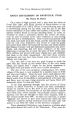
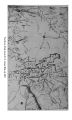
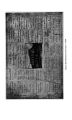
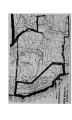
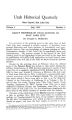
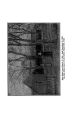
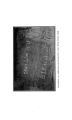
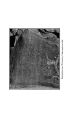
Show AMERICAN POSTS 65 AMERICAN POSTS (Continued) By EDGAR M. LEDYARD, President UTAH HISTORICAL LANDMARKS ASSOCIATION SUITE 508 CHAMBER OF COMMERCE, SALT LAKE CITY Fort Laramie (Continued from Page 96, Volume 3, Number 3, Utah Historical Quarterly.) "Fort William was erected on the east (north) bank of the Laramie, about three-quarters of a mile from the junction with the Platte. Later (possibly in 1841), the company built another and larger fort on the same side of the river, about a mile upstream, and thereupon abandoned, leased or sold the first building. It was the new post that became the famous Fort Laramie, so named by the owners. Possibly its proper name for a time was Fort John, but the question cannot at present be settled. The comments of the diarists on these two forts, their names, appearance, construction, and even location, are amazingly contradictory. The presence nearby of two posts on the Platte- Fort Platte above, and Fort Bernard below, the mouth of the Laramie-adds to the confusion. Both Chittenden and Thwaites sought, with no great success, to unravel the tangle, and doubtless others have since essayed the task. Though Palmer, in a note probably written in the winter of 1846-7, says that Fort John had been demolished, the Mormon diarists of 1847 still use the name and in such a way as to leave in doubt which fort they mean. "The real Fort Laramie was bought by the Government on June 26, 1849, after having been occupied by a garrison a month or so earlier during the negotiations. It continued as a military post until 1890, when it was abandoned. No other fort west of the Mississippi has such a background of stirring and colorful history." Not to be confused with Fort Laramie station (near Old Fort Laramie) on the Burlington nor with the city of Laramie on the Union Pacific. Wyoming. La Rainee, Fort. Theodore Talbot, a native of Kentucky, was a member of John C. Fremont's expedition of 1843. On Sunday, July 15, 1843, while encamped near Fort Lupton, several parties visited the expedition, including Lupton, the proprietor of Fort Lupton, called by Fremont Fort Lancaster. Talbot makes the 66 THE UTAH HISTORICAL QUARTERLY following entry in his journal under the same date: "Metcalf, a trader, brought news from the North Fork of the Platte. Stewart's party, and some of the emigrants, had already passed by Fort La Rainee." Fremont makes no reference to this post. It may be that Talbot confused the spelling with Laramie. La Reine, Fort (1738). Canada. Lamed, Fort. Right bank of Pawnee Fork, about nine miles from its mouth on the Arkansas River and fifty-five miles below Fort Dodge. Fort Larned was built in 1859. For a number of years it was a very important post but was later abandoned as a fort. In 1882 the reservation was opened for sale to settlers. Kansas. Larpenteur's Post (1860-61). North bank of Milk River. Same as Fort Peck (Military). Montana. Lashley, Fort. Now Talladega ,Talladega County, Alabama. Las Lumas, Post. About twenty-two miles south of Albuquerque. New Mexico. La Sulk's Fort (1642). Old French post on the east bank of Mississippi. Tennessee. Lauderdale, Fort. Temporary post on the east coast of Florida, six miles above New River* Inlet; established in Florida War. Broward County, Florida. Laurens, Fort. In 1778 General Lacklin Mcintosh was placed in command of the Western Military Department in which "west Virginia" was included. The same year with an army of 1,000 men recruited at Pittsburg and Wheeling, he descended the Ohio River and marched into the wilderness. He established Fort Laurens in what is now Tuscarawas County, Ohio. The post was named in honor of Henry Laurens of South Carolina, president of the First Continental Congress. He returned to Pittsburgh with most of his men, leaving a garrison of 150. On February 22, 1779, several hundred British Indians, with whom were Simon Girty and ten British soldiers, beseiged the fort and attacked it repeatedly until March 20 reducing the garrison to the verge of starvation. The Indians were likewise short of provisions and returned to their homes. Soon after the seige was raised, General Mcintosh arrived at the post with 700 men and provisions. Colonel John Gibson was succeeded by Major Frederick Vernon. Fort Laurens was abandoned in August, 1799. This was the first post established by the American government in any part of what is now the State of Ohio. Ohio. Lawn, Fort. Chester County. South Carolina. Lawrence, Fort. Nova Scotia. Canada. Lawrence, Fort. Temporary work on right bank of Flint River, eight miles above the mouth of Patsaliga Creek, opposite old Cherokee Agency. Georgia. AMERICAN POSTS 67 Lawrence, Fort. (Old Revolutionary Post.) South end of Brooklyn. New York. Lawrence, Fort. Revolutionary work on right bank of Tuscarawas River, half mile below Bolivar, Tuscarawas County; effaced many years ago. Ohio. Lawson, Camp. Right bank of the Rio Frio, at the crossing of the Lower Presido Road .about seventy miles from San Antonio. Texas. Lawson, Fort. Temporary fort in Florida War, on the road midway between St. Marks and Tallahassee. Florida. Lawson, Fort. Temporary fort in Florida War, four miles from Pilatka on the road from there to Micanopy. Florida. Lawton, Fort Military (1899). Six miles north of Seattle at Interbay. In 1914 Fort Lawton was garrisoned by a battalion of infantry and was also the headquarters of a regiment. Washington. League Island Navy Yard. Philadelphia. Pennsylvania. Leaside, Camp. Ontario. Canada. Leaton, Fort (Fort Leighton). Left bank of the Rio Grande, five miles below Presidio del Norte at the mouth of the Rio Conchas. Texas. Leavenworth Arsenal. Fort Leavenworth. Kansas. Leavenworth, Fort. Right bank of the Missouri River, three miles above Leavenworth City or "four miles from Leavenworth, Kansas, on the Missouri River." This post was established in 1827 by Colonel Henry Leavenworth of the United States Army, to protect the Santa Fe Trail against Indians. The post is about five hundred miles above the junction of the Missouri with the Mississippi. A large garrison is generally stationed here, usually comprising cavalry, infantry and artillery, as well as engineers. Kansas. LeBoeuf, Fort (Old French Fort). At High and Water Streets, now town of LeBoeuf, Erie County. French work on right bank of LeBoeuf Creek tributary of French Creek, in the vicinity of Waterford, Erie County. Pennsylvania. Lee, Camp. Three miles east of Petersburg. Virginia. Lee, Fort. In the center of Salem Neck, commanding entrance to Salem and Beverley harbors. Massachusetts. Lee, Fort. Revolutionary work, on right bank of the Hudson, nearly opposite Fort Washington, New York City. Fort Lee was a Revolutionary post and one of the forts that defended the Hudson. General Greene, Cornwallis, Washington and many other noted officers operated in and around this post. At Fort Lee begin the Palisades of the Hudson River. Bergen County. New Jersey. Lee, Fort. Richmond, Henrico County. Virginia. 68 THE UTAH HISTORICAL QUARTERLY Leighton, Fort. See Fort Leaton. Lemhi, Fort (1855-58) (Post and Mission). Located in southwestern Idaho. Established by Mormon missionaries, June 15, 1855. Site of old mission about two miles north of the present town of Tendoy. Named in honor of a Nephite King in the Book of Mormon. On February 25th the fort was attacked by a band of Bannock and Shoshoni Indians; the post was besieged for several days. The post was abandoned on March 28, 1858. Fort Lemhi was sixteen rods square with (adobe.) mud walls nine feet high and four feet thick at the base and about two feet at the top. Remnants of the fort may be seen (1930). Idaho. Leon, Fort. Left bank of the Mississippi River, five miles north of New Orleans. Louisiana. Leon Springs, Camp. San Antonio, Texas. Letterman General Hospital. Presidio of San Francisco. California. Levett, Fort. Subpost of Fort Wiliams three and one-half miles from Portland, Maine; on southerly side of Cushing Island, Portland Harbor. Maine. Lewis, Camp (1870). Montana. Lewis, Camp. One mile from American Lake, Washington and nineteen miles south of Tacoma. Washington. Lewis, Fort. Now branch agricultural school, State of Colorado. Near Hesperus, La Plata County. Colorado. Lewis, Fort (1844-46). Right bank of Missouri River. Montana. Lewis, Fort. Williamsville, Bath County. Virginia. Lexington Remount Purchasing Headquarters. Kentucky. Liberty Arsenal. Fifty-three miles east of Pittsburg. Pennsylvania. • Legonier, Fort. Near Fort Venango. Named in honor of Sir John Ligonier of England. This frontier post was first called Fort Loyalhannon which was established about three years after Braddock's defeat. The name Fort Ligonier was first applied on December 4, 1758. The history of Fort Ligonier is intimately associated with that of Fort Duquesne, Fort Machault or Fort Venango, Fort Pitt, Fort Cumberland and other noted frontier posts. Brigadier-General John Forbes, George Washington, Colonel Henry Boquet, Major James Grant, General Henry Hamilton, Arthur St. Clair, William Penn and other men prominent in colonial history were associated at various times with this post. Washington fought in an Indian engagement near Fort Ligonier in 1758 during which he was in grave danger on several occasions. The post suffered a severe seige in 1763. It was rebuilt in 1777 and used during the Revolutionary War and is notable as the last fort erected during the Revolution. Due to AMERICAN POSTS 69 the protection afforded, Fort Ligonier was called Fort Preservation by local settlers. Fort Ligonier was also one of the early express routes. Some of the express riders were Indians who could approach the post only with green branches stuck in the ends of their guns, which signal was respected. In 1896 the site of Fort Ligonier was the property of Mr. R. M. Graham, editor and publisher of the Ligonier Echo. The site of the old post was on Loyal Hannon Creek in Westmoreland County at the present site of Ligonier. Pennsylvania. Limhi, Fort. (See Fort Lemhi.) Lincoln, Camp. About twenty-two miles due east of Wicken-burg. Arizona. Lincoln, Camp. Near Crescent City. California. Lincoln, Camp. Springfield. Illinois. Lincoln, Fort. One of the defenses of Washington, near the city limits, southwest from Bladenburg, Maryland. District of Columbia. Lincoln, Fort. Right bank of the Little Osage River, about eight miles west of the eastern boundary of the state, near present Fulton, Kansas. Fort Lincoln was built by General James H. Lane in 1861. The post stood about 12 miles northwest of present Fort Scott, Kansas and was erected for protection against the Confederates. General Lane was a pronounced anti-slavery man. The post was abandoned in 1864. Kansas. Lincoln, Fort. Left bank of Seco Creek, fifty miles west of San Antonio. Texas. Lincoln, Fort Abraham. Across Missouri River from Bis-mark, Burleigh County. General George A. Custer organized his forces at Fort Abraham Lincoln; it was his last army post. North Dakota. Lindsey, Fort. Warren, Tyler County. Texas. Lisa, Fort. Four miles below present site of Omaha, Nebraska. This was one of seven trading posts established by Manuel Lisa. Nebraska. Lisa, Fort. Same as Fort Vanderbergh (1822-23). North Dakota. Liscum, Fort. The garrison of this post usually consists of two companies. The fort is situated on the northeast shore of Prince William Sound, three miles from Valdez. Alaska. Little, Camp Stephan D. Nogales. Arizona. Little Rock Air Intermediate Depot. Four miles southeast of Little Rock. Arkansas. Little Rock Arsenal. Little Rock, Pulaski County. Arkansas. Littleton, Fort. Fulton County, Pennsylvania. (See Fort Lyttleton.) 70 THE UTAH HISTORICAL QUARTERLY Livingston, Fort. West end of Grande Terre Island, entrance to Barataria Bay. Louisiana. Lloyd, Fort. Temporary fort during the Florida War, north of Lake Okeechobee, twenty-three miles west of Fort Basinger. Florida. Logan, Camp. Winthrop Harbor, Lake County. Illinois. Logan, Camp. Houston. Texas. Logan, Fort. Ten miles south of Denver, Colorado (old boundaries). A United States military post established in 1889. The reservation comprises 640 acres. In 1914 it was a recruit depot. Military, post at present, 1932. Colorado. Logan, Fort (Military). Meagher County. Montana. Logan's Fort. Located in South Central Kentucky on the Wilderness Road between Danville and Crabb Orchard. Kentucky. Long Island Air Reserve Depot. (U. S. Aeronautical Engine Plant) Long Island City. New York. Long Point Batteries. On Long Point, south entrance to Provincetown harbor, Cape Cod. Massachusetts. Lookout, Fort (1822-57). Right bank of Missouri River. (Site of Fort Kiawa 1822). Lyman County. South Dakota. Loramie, Fort. Right bank of Loramie's Creek at point where north boundary line of Darke County produced, intersects that creek. Loramie, Shelby County. Ohio. Lorenzo, Fort. Canal Zone. Loring Cantonment. Left bank of Snake River, three miles above old Fort Hall. Idaho. Loring, Fort. (See Cantonment Loring). This post, frequently referred to as a fort, was in reality a cantonment for a short time, later a trading post for a brief period. Fort Loring, or more properly Cantonment Loring, was named in honor of Colonel William W. Loring, who established a post three miles above old Fort Hall. While enroute from St. Joseph, Missouri, to Oregon, Colonel Loring's regiment, known as the Mounted Rifles, established Cantonment Loring and spent the winter of 1849 ad '50 there. The writer has visited Fort Hall bottoms on several occasions but has not been able to satisfy himself that he found the actual site of Fort Loring. Idaho. Loring, Fort. Ittabena, Leflore County. Mississippi. Los Pinos, Post. Lcjft bank of the Rio Grande, eighteen miles south of Albuquerque. New Mexico. Loudon, Fort. Franklin County. Pennsylvania. Loudon, Fort. On old fort on the left bank of the Little Tennessee River, a little above the mouth of Tellica River. Tennessee. AMERICAN POSTS 71 Loudoun, Fort. Built by the British in 1756. Now Knoxville. Tennessee. Louis, Fort. Canada. Louisburg, Fort. Commands the entrance to the Gulf of St. Lawrence. Louisburg was an important colonial seaport and fortress when the French were in control of the island of Cape Breton. While the fortress has maintained its importance, the town of Louisburg is now only a small fishing village. Fort Louisburg was captured by the combined forced of New England troops and a British squadron in 1745. Three years later it was restored to France. In 1758 General Wolfe captured the town and fort before he captured Quebec. On account of its historical associations and the magnificent harbor on which it lies, many tourists visit this historic post. Canada. Louis de la Mobile, Fort. Mobile. Alabama. Louthier, Fort. (Same as Fort Lowther.) Love Field. Dallas. Texas. Lovell, Camp. Military post located near Tucson. Supplies were shipped in from Fort Yuma. Tucson was at one time the headquarters of a military district. Arizona. Lowell, Fort. Wickenburg, Pima County. Arizona. Lowell, Fort. Park View, Rio Arriba County. New Mexico. Lower, Fort. A post on the Red River settlement, twenty-three miles below Fort Garry. Nearby was an agricultural settlement under the charge of Reverend Mr. Smithurst of the Church Missionary Society. Sir George Simpson, governor-in-chief of the Hudson's Bay Company's territory in North America, who visited the post in June, 1841, makes the following- comments on conditions there: "So far as mosquitoes, sand-flies and bull frogs were concerned, this was our worst encampment in the whole route." Canada. Lowther, Fort. (Same as Fort Louthier). The first record of a garrison at Fort Lowther was May 27, 1753. The site of the post is now obliterated; it is in one of the most populous parts of Carlisle. The Delaware, Shawanese and Tuscarora Indians around the post were very troublesome and many settlers took refuge from marauding bands of Indians at the post in early days. Governor Morris was stationed at this post in June, 1755, for the purpose of being of assistance to Braddock's army with whom he was in constant communication. Three of the signers of the Declaration of Independence, George Ross, James Wilson and James Smith, made their homes in Carlisle near this old post. Bullets and cannon were manufactured there for the Revolutionary army. Washington assembled 13,000 soldiers at this post in 1794 while making preparations to march against the Whiskey Rebellion forces. In 1764 children rescued from Indian 72 THE UTAH HISTORICAL QUARTERLY captivity were assembled here to be identified and returned to their parents. Pennsylvania. Lowther's Fort. This fort was established in the old state of Virginia between the years 1771 and 1774. In the year last named, it was the scene of activities in which Simon Kenton, Simon Gurdy, Peter Parchment, and other noted frontiersmen participated. West Virginia. Loyal, Fort (Casco) (1632). South of the mouth of Androseg-gin and Kennebec Rivers. Maine. Lozell's Post. (Same as Fort Aux Cedres 1803.) Right bank of the Missouri River. South Dakota. Ludlow, Fort. Puget Sound, near Fort Townsend. Washington. Luke Field (Aerial Coast Defense). Nine miles from Honolulu, on Ford's Island, Pearl Harbor, Honolulu. Hawaii. Lupton, Fort. One of a number of early fur trading posts along the Platte River. This fort was built by Lieut. Lancaster P. Lupton. The site and ruins of the old fort, which may be seen from the highway, is about seven miles north of the south line of Weld County. The post was built in 1836 and '37 and abandoned about ten years later. Colorado. Lyman, Fort. Fifty-six miles north of Albany, stands on the former site of Fort Lyman. Fort Edward, Washington County. New York. Lynn, Fort. Doddridge, Miller County. Arkansas. Lyon, Fort. Near Bent's Fort on the upper Arkansas River. Las Animas, Bent County. Colorado. Lyon, Fort. Subpost of Fort McKinley 4 miles from Portland, Maine, on Cow Island. Maine. Lyon, Fort. Windsor, Benton County. Missouri. Lyon, Fort. On road from Albuquerque to Fort Defiance. New Mexico. Lyon, Fort. One of the Civil War defenses of Washington, D. C, near Alexandria. Virginia. Lyttleton, Fort. This fort was established by Governor Morris in 1756 at Sugar Cabins in the east portion of what is now Fulton County. The post was built to protect the settlers who had fled from that section due to hostility of the Indians. The Indians continued their attacks throughout 1856-57 during which a number of white settlers were captured and killed. The fort stood on a rise of the ground and was defended with small arms but was so planned that with a little extra work cannon could be used on it. The site of Fort Lyttleton was owned in 1896 by Dr. Trout, McConnellsburg, Pennsylvania. The buildings at Fort Lyttleton are entirely obliterated. Pennsylvania. AMERICAN POSTS 73 Mabry, Camp. Austin. Texas. Mac Arthur, Camp. Waco. Texas. Mc Arthur, Fort. Adjacent to city of Los Angeles at San Pedro. California. Mackay, Fort. Temporary fort during Florida War, in vicinity of left bank of the Ocklawaha, ten miles south of the mouth of Orange Lake Creek. Florida. Mackenzie, Fort. Three miles from Sheridan. Wyoming. Mackinac, Fort. South end of Mackinac Island in the Straits of Mackinac which connects Lakes Michigan and Huron. On this island is one of the oldest white settlements in the interior of North America, it having been a trading post in the latter part of the 17th century. Old Fort Mackinac, one of the oldest fortifications now standing in the United States, commands the strait. The later Fort Mackinac, on an elevation back of the city, which is situated in the southern shore, also commands the strait. Fort Mackinac was one of a number of posts included in the list to be destroyed when Pontiac declared general warfare on white people in the Old Northwest. Fort Mackinac was captured; the fort in Detroit, on which an attack was planned at about the same time, was saved through information furnished by an Indian girl. Mackinac County. Michigan. Mackinaw, Fort. (See Fort Mackinac.) MacOmb, Fort. Temporary fort on right bank of Suwanee River, about 3 miles below foot of the rapids. Established during Florida War. Florida. Macomb, Fort. Near right bank of St. Mark's River, 10 miles north of St. Marks. Florida. Macomb, Fort. Right bank of Chef Menteur Pass; one of the approaches to New Orleans, Orleans County. Louisiana. Macon, Fort. This post stood on the eastern extremity of Bogue Island and commanded the entrance to Beaufort Harbor. The post was seized from the Federals on the 15th of April, 1861, and garrisoned by Confederate volunteers. On April 25, Fort Macon was bombarded by Federal vessels, attacked by land forces; the fort surrendered after a fire and assault of ten hours. North Carolina. Macumpaghra, Fort. In 1869 in reply to an inquiry, W H. Gray, companion of Marcus Whitman, was asked for an account of Whitman's trip across the continent in 1842-'43. In this account Gray mentions "Fort Macumpaghra," also "Fort Wintee." A study of his account shows that the first named is undoubtedly Fort Uncompahgre; the second Fort Uintah. Madison, Fort. Clarke County. Alabama. Madison, Fort. Right bank of the Mississippi and site of the town of Fort Madison in Lee County. Fort Madison dates from 74 THE UTAH HISTORICAL QUARTERLY 1805; the fort was destroyed by fire in 1813. Fort Madison as a town was settled in 1832 and incorporated in 1836. Iowa. Madison, Fort. Left bank of Severn River, Annapolis Harbor. Maryland. Madison Barracks, East side of Sacketts' Harbor. About 10 miles from Lake Ontario, adjoining the town of Sacketts' Harbor. New York. Maginnis, Fort (1879). Near Old Fort Piegan. Fort Maginnis was a military post from 1880 to 1890. Fergus County. Montana. Magruder, Fort. Confederate work near Williamsburg, on the Peninsula, Civil War. Virginia. Mahon, Fort. One of the defenses of Washington, on the Eastern Branch. District of Columbia. Mahone, Fort. Rebel earthwork in defense of Petersburg; captured by U. S. troops in 1865. Virginia. Maitland, Fort. Temporary fort during Florida War, 14 miles south of Fort Mellon, on Lake Monroe. Florida. Maiden, Fort. On north shore near west end of Lake Erie. Canada. Manchac, Fort. Old post captured by Governor Galvez from the English in 1799. Louisiana. Mandan, Fort (1804-05). On Missouri River. Winter post, Lewis and Clark, 1804-05. On Missouri River short distance east of junction with Yellowstone, North Dakota. Maneury, Fort. The site of Fort Maneury was on the Man-eury Bend of the Missouri about 25 miles below the Little Missouri and about 150 miles below the Yellowstone, computing the distance by water. According to Elliott Coues, there is an error in the spelling of the name of the fort. Maneury's Bend and Fort Maneury were named for Charles Malanouri who settled at Maneury Bend and with Pierre Gareau and Jeff Smith established a settlement there. North Dakota. Mann, Fort. This post was erected about 1845; it stood about six miles west of present Dodge City. For a few months, this post bore the name of Fort Mackey in honor of Colonel A. Mackey, U. S. Q. M. D. The fort was later named Fort Atkinson. In freighting days, it was 359 miles from Fort Leavenworth and 423 miles from Santa Fe. The post was abandoned in 1854. Kansas. Mansfield, Fort. One of the defenses of Washington, D. C, north of the Potomac. Maryland. Mansfield, Fort. Subpost of Fort H. G. Wright, seven miles from Westerly. Rhode Island. Manuel, Fort (1807-11). Same site Fort Benton (1822-23). Montana. AMERICAN POSTS 75 Manuel, Fort (1812). On Missouri River near border of North and South Dakota. South Dakota. Manuel's Fort. This post was established by Manuel Lisa in the spring or early summer of 1807 at the mouth of the Big Horn River. The post was variously known as Fort Lisa, Fort Manuel and Manuel's Fort. It was from this post that John Colter was sent out by Lisa to announce to the Indians that a trading post had been established. The Indians apparently did not take kindly to Lisa's advertising agent; Colter's adventures are well known. Montana. Many, Fort. Temporary fort sixteen miles southeast of Tallahassee and seventeen miles northeast of St. Marks; established during Florida War. Florida. Maragnon, Fort. On September 26, 1846, Father Pierre-Jean De Smet, S. J., wrote a letter from this post headed "Fort Lewis or Fort Maragnon." (See Fort Lewis, Montana.) March Field. Ten miles southeast of Riverside at Allesandro. California. Marco, Fort. Also known as Ft. St. Mark; Pensacola. Florida. Marcy, Fort. On August 18, 1846, General Stephen Watts Kearney and his American Command marched into Santa Fe. On the following morning he announced that the inhabitants were American subjects and proclaimed himself governor. On the same day that he issued his proclamation, he ordered a fort to be erected. Lieutenants Emory, Gilmer and Peck, engineers, selected a site 600 yards from the plaza and erected a flagpole on which was displayed a United States flag. In his official report Lieut. Emory writes as follows: "August 19, I received an order to make a reconnoissance of the town and select a site for a fort in cooperation with Lieut. Gilmer of the engineers. This occupied me diligently on the 19th and 20th, and on the 21st, the general was furnished with a map, a copy of which is sent to the adjutant general. The site selected and marked on the map is within 600 yards of the heart of the town and is from 60 to 100 feet above it. The contour of the ground is unfavorable for the trace of a regular work, but being the only point which commands the entire town and which is itself commanded by no other, we did not hesitate to recommend it. The recommendation was approved. On the 22nd we submitted a complete plan of the work, which was also approved. It is computed for a garrison of 280 men. On the 23rd the work was commenced with a small force; on the 27th, 100 laborers were set at work on it, detailed from the army, and on the 31st, 20 Mexican masons were added." 76 THE UTAH HISTORICAL QUARTERLY The fort was finished during the closing days of September and named by Kearny in honor of W. L. Marcy, Secretary of War at that time. Lieut. J. W. Abert of the typographical corps had the following to say in his report: "October 2. In a little while we reached Agua Fria. Soon Fort Marcy came into view and our glorious flag with its graceful stripes playing in the wind. In the evening we visited Fort Marcy. It is situated on a prominent point on the bluff commanding the city. The distance of the center of this work, from the flagstaff to the plaza, is but 644 yards. The whole of the interior is defiladed from all the surrounding heights within range; ten guns may be brought to bear upon the city. The slopes are revetted with adobes. The block house and magazines are constructed of pine logs one foot square. The only approachable point is guarded by the blockhouse, which also assists to protect the entrance to the fort." Old Fort Marcy was maintained until the late '50's. After the Civil War the buildings were torn down or repaired. A new post was erected which was abandoned as a military establishment in 1894. Half of Col. Theodore Roosevelt's officers and men of the "Rough Riders" regiment were from New Mexico; he was very partial to Governor Otero and the people in New Mexico. During Otero's administration, President Roosevelt gave the old Fort Marcy reservation to the board of education of the City of Santa Fe. As many writers have stated, the view from the site of old Fort Marcy is very impressive looking down onto Santa Fe which the old post commanded. The site of old Fort Marcy has been preserved and is visited by many sightseers every year. Old Fort Marcy is of special significance to residents of the great territory acquired from Mexico after the close of the war with that country. New Mexico. Marcy, Fort. One of the defenses,of Washington, D. C, south of Potomac River. Virginia. Mare Island Navy Yard. Reached by ferry from North Vallejo Wharf, or by steamboat from San Francisco or Ferry Point. California. Marepas, Fort (1734). Canada. Marfa, Camp. At Marfa, Texas, on Central Texas Main Line, Southern Pacific. Texas. Marine Barracks. Quantico. Virginia. Marion, Fort. On the Matanzas River at the end of the seawall. At St. Augustine; called "Castle of St. Mark" by the Spaniards. Florida. Marshall Field. U. S. Airdrome, Fort Riley. Kansas. Marshal, Fort. North end of Sullivan's Island, Charleston Harbor, Confederate fort. South Carolina. AMERICAN POSTS 77 Marshall, Fort. One of the defenses of Baltimore, on Potter's Hill, southeastern limits of the City. Maryland. Martiniere, Fort Upper. Quebec. Canada. Mason, Fort. Wickenburg, Yuma County. Arizona. Mason, Fort. (Formerly Camp McKee.) Near Tubac. Arizona. Mason, Fort. Within the city limits of San Francisco, at Black Point, opposite Alcatraz Island. California. Mason, Fort. Temporary fort during Florida War; between the Ocklawha and the St. John's Rivers, fourteen miles southwest from Volusia. (Distance for Volusia not same on recent maps.) Eustis, Lake County. Florida. Mason, Fort. Right bank of Camanche Creek, tributary of Loano River, eight miles above its mouth and one hundred five miles by road northwest of San Antonio. Texas. Mason, Fort. Near present town of Mason, Mason County. Texas. Massac, Fort. This post was in Randolph County (now Massac County), 33 miles from the Mississippi on the right bank of the Ohio River and 38 miles above its mouth and 11 miles below Paducah. Fort Massac was built by the French in 1758 on their retreat from Fort Duquesne. The site of Fort Massac is now a public park in the outskirts of Metropolis. Illinois. Massachusetts, Fort. Located near northeast corner of Custer County, on the right bank of Utah Creek, 85 miles north of Taos, New Mexico. Colorado. Massachusetts, Fort. One of the defenses of Washington, north of the Potomac; now Fort Stevens. District of Columbia. Massacre, Fort. A post was erected by the French in 1730 on the north bank of the Ohio in the present state of Illinois among the Shawnee Indians. The Indians surprised and massacred the garrison of this fort. The French then built a second post near the one above named which in commemoration of this event they called Fort Massacre. This post was occupied until 1750 when it was abandoned by the French. Firmin A. Rozier in his "History of the Early Settlement of the Mississippi Valley" states that a missionary station was established on the site of Fort Massacre in 1711. He also says that Fort Massacre was later called Fort Massac and stood 40 miles above the mouth of Ohio. Illinois. Massiac, Fort. (See Fort Massac and Fort Massacre). This post was built opposite the mouth of the Tennessee Riyer in 1757. The garrison of this post took part in one or two campaigns in the main war centers, otherwise the history of the post is uneventful. George Rogers Clark passed down the Ohio River to the site of Fort Massiac in 1778 disembarking at that point 78 THE UTAH HISTORICAL QUARTERLY and proceeding overland to Kaskaskia which he reached on July 4 and captured. Illinois. Mather Field. Thirteen miles east of Sacramento. California. Maxwell Field. \y2 miles outside city of Montgomery. Alabama. McAllister, Fort. The post stood fifteen miles below Savannah, on the right bank of Ogeechee River, near Genesis Point. Fort McAllister was a' strong earthwork built by the Confederates during the Civil War. It was the scene of naval operations in which newly constructed monitors were used. Fort McAllister was assaulted and captured by General Hazen's division of General Sherman's Army on December 13, 1864. This was the last engagement in Sherman's "March to the Sea." McArthur, Fort. Stockade built in 1812 on right bank of Scioto River, Hardin County, on site of Kenton. Post obliterated. Ohio. McBarne's Fort. A small post of limited existence. Events around this early post were closely associated with those at Fort Walla Walla and Whitman's Mission, nearby. Washington. McClary, Fort. Three and a half miles northeast of Portsmouth; subpost of Fort Constitution. New Hampshire. McClellan, Camp. Five miles north of Anniston. Alabama. McClure, Fort. Temporary fort during Florida War, north of Dade's Battle Ground at Warm Spring, on the Withlacoochee River. Florida. McCook Field. Two miles from Dayton. Ohio. McCoy, Camp. Sparta. Wisconsin. McCoy, Fort. Marion County. Florida. McCrabb, Fort. Temporary fort near right bank of Suwanee River, four miles above Suwanee Old Town; established in Florida War. Florida. McDermitt, Camp. About one hundred-twenty miles northwest of Star City. Nevada. McDonald, Camp. Wheeling, Cook County. Illinois. McDonald's House. (Same as Fort Assiniboine.) Built by the Northwest Fur Company. Canada. McDougall, Fort. Early in 1805 James McDougall made his way through the Peace River country to what was then called McLeod Lake. Fie built a fort at the north end of McLeod Lake, later called Trout Lake. Fort McLeod bore several names,- Trout Lake House, La Malice Fort and Fort McLeod. This post was the first one built by British-American fur hunters west of the Rocky Mountains and the first establishment of its kind in the Oregon country. Canada. McDowell, Fort. Phoenix, Maricopa County. Arizona. AMERICAN POSTS 79 McDowell, Fort. Seven miles northeast from San Francisco, on Angel Island, San Francisco Bay. In 1914 Fort McDowell was a recruit depot. California. McGarry, Cajrnp. Near Summit Lake. Nevada. McGilvery, Fort. Defensive work before Petersburg, near the Appomatox River. Virginia. McHenry, Fort. On Patapsco River, west side of entrance to Baltimore harbor, and on Whetstone Point in the City of Baltimore ; reached by trolley. The site of Fort McHenry was first occupied for military purposes in 1775; in 1794 it was established as a permanent fortification. It was named after James McHenry, one of Washington's private secretaries during the Revolution and Secretary of War in 1798. In September 1814 it successfully withstood a bombardment of the British fleet under Admiral Cockburn. This attack suggested to Francis S. Key the "Star Spangled Banner." Fort McHenry was used during the Civil War as a, rendezvous and a military prison. In 1906 there was an artillery garrison of one company. When the coast artillery was reorganized it was abandoned as a military post. Maryland. Mcintosh, Fort. Left bank of Rio Grande, one mile from Laredo. In 1914 Fort Mcintosh was garrisoned by a squadron of cavalry. In addition a regiment of infantry is frequently stationed there or at Laredo. Texas. Mcintosh, Fort. This fort was built by General Lachlan Mcintosh, in the autumn of 1778, on the right bank of the Ohio River upon a high bluff where the town of Beaver now stands. Fort Mcintosh was the scene of many operations during the Colonial Wars and the Revolutionary War. Pennsylvania. McKavett, Fort. Right bank of the San Saba River, near its source. Menard County. Texas. McKavitt, Fort. Same as Fort McKavett. McKay, Fort. Fort McKay stood on the site of what is now known as Prairie du Chein. In 1814 this post was garrisoned by a force of 60 men; on July 14 it was besieged by a combined force of British and Indians under the command of Colonel William McKay. The post was attacked with a gun boat and by land troops. On the third day of the siege, the fort capitulated, the American flag was hauled down and the British flag raised. Soon after the fort surrendered, the British dismantled the post and withdrew to a point further down the Mississippi. Wisconsin. McKee, Camp. Name changed to Fort Mason. Arizona. McKenzie, Fort (1832-43). Same as Fort Brule; same as Fort La Barge (1862). On west bank of Missouri River. Montana. McKinley, Fort. Five miles from Portland, on Great Diamond Island. An important defense for Portland, Maine. In 1914 this post was garrisoned by seven companies of Coast Artillery. Maine. 80 THE UTAH HISTORICAL QUARTERLY McKinley, Fort. Taylorsburg, Montgomery County. Ohio. McKinley, Fort William. This post is located six miles southeast of Manila. Fort William McKinley is connected with Manila by an electric railway and two good roads. This is one of the largest of the U. S. army posts. It was begun in 1902 and continuously occupied as a regular garrison since February 25, 1904. Near Guadalupe, Rizal Province. Phillippine Islands. McKinney, Fort. Buffalo, Johnson County. Old military post. Southwest of Fort Phil Kearney. Wyoming. McLain, Fort. In 1863 Mangus Colorado, known among the Indians as Red Arm, was treacherously killed at or near this post while negotiating a treaty. Colorado was chief of the Miembres Indians and considered to be a very able man. After the death of Colorado, Cochise, a near relative, succeeded to the command and for 9 years carried on a relentless warfare against the white race to avenge the death of Colorado. Cochise spread such a reign of terror through certain sections that it was unsafe outside of military garrisons or larger towns. Stage coaches and wagon trains were frequently attacked, men killed and animals ran off. General George Crook inaugurated a campaign which put an end to these outrages. Arizona. McLane, Fort. Temporary fort during Florida War, northwestern extremity of Okeefinokee swamp. Georgia. McLane, Fort. Near one of the Overland mail routes at the crossing of the Miembres River. New Mexico. McLeod, Fort. This fort is located in New Caledonia, later called British Columbia. It was named after John McLeod, a clerk and trader in the Northwest. A new establishment and old establishment both on Peace River are shown on Mackenzie's Track from Fort Chipewyan to the Pacific Ocean. Canada. McMurray, Fort. Near McMurray. Canada. McNeil, Fort. Temporary fort during Florida War, right bank of the Chickasawhatchie about four miles from its mouth on the St. John's River. Florida. McPherson, Fort. Three or four miles south of Atlanta. Fort McPherson is usually garrisoned with a regiment of infantry. Important U. S. Post. Named for Major General James B. McPherson. Georgia. McPherson, Fort. This was located on the south side of the Platte River, near Cottonwood Springs and at the mouth of Cottonwood Creek. The post was established February 20, 1866 by Major S. W. O'Brien of the 7th Iowa Cavalry. It was originally known as "Cottonwood Springs." Fort McPherson was named after Major General James B. McPherson. Ninety-seven miles west of Fort Kearny. Nebraska. Utah State Historical Society BOARD OF CONTROL (Terms Expiring; April 1, 1933) J. CECIL ALTER, Salt Lake City JOEL E. RICKS, Logan WM. R. PALMER, Cedar City PARLEY L. WILLIAMS, Salt Lake City ALBERT F. PHILIPS, Salt Lake City (Terms Expiring April 1, 1935) GEORGE E. FELLOWS, Salt Lake City WILLIAM J. SNOW, Provo HUGH RYAN, Salt Lake City LEVI E. YOUNG, Salt Lake City FRANK K. SEEGMILLER, Salt Lake City EXECUTIVE OFFICERS 1931-1932 ALBERT F. PHILIPS, President Emeritus WILLIAM J. SNOW, President J. CECIL ALTER, Secretary-Treasurer-Librarian HUGH RYAN, Vice President Editor in Chief All Members, Board of Control, Associate Editors MEMBERSHIP Paid memberships at the required fee of $2 a year, will include current subscriptions to the Utah Historical Quarterly. Non-members and institutions may receive the Quarterly at $1 a year or 35 cents per copy; but it is preferred that residents of the State become active members, and thus participate in the deliberations and achievements of the Society. Checks should be made payable to the Utah State Historical Society and mailed to the Secretary-Treasurer, 131 State Capitol, Salt Lake City, Utah. CONTRIBUTIONS The Society was organized essentially to collect, disseminate and preserve important material pertaining to the history of the State. To effect this end, contributions of writings are solicited, such as old diaries, journals, letters and other writings of the pioneers; also original manuscripts by present day writers on any phase of early Utah history. Treasured papers or manuscripts may be printed in faithful detail in the Quarterly, without harm to them, and without permanently removing them from their possessors. Contributions and correspondence should be addressed to the Editor, Utah Historical Quarterly, 131 State Capitol, Salt Lake City, Utah. mer's Oracle. The hand of Industry makes fit Desert to bud, blotm and bear fruit, and rears ihe proudest* trttcivres of Earth. agr-i - • ' =s==a No. 1. SPRING LAKE VILLA, UTAH COUNTY, UTAH, FRIDAY, MAY 22, 1C63. Vot. i-producing and quick growing, and if tin former be no object, the latter certain!} ps." How a P e a r T r e e w a s m a d e to F r u i t . A correspondent »f tfao Wool Grotctr «nya.-«'X w i l l tell you of an experiment 1 tried to make a pear tree bear. About 23 years ago I planted a small pear trea of the Virgalicu variety. It is now a *ery large and elrgant tre«. Every 'pring it would be covered with bios- • iiiii.s, and just after the fruit began ta furm, the stems would all fall off and -uver (be ground. In the autumn of 180 L I determined to try an experiment thai -hould either kill or cure. The ground .vas dug away five or aix feet around the • runkj, and down to the roots. A small witgon load of clay was first put in and nii.de into mortar; on the top of this I , uta barrel of iron filings, and then over Ins a barrel of air-slacked lime, and tha iirt was drawn back over the wholt. L«istyear, 1852, the tree blossomad as aauul, a few of the weskrH itemsfelloff^ ,utt enough remained to load down* tb* tree with abundance of luscious fruit." ' C h i c o r jr. I There is a difference of -pinion in re-i gnrd to the healthfulness cf the chicory Chicory, succory, or wild endive, is a» a beverage. Many of Lbe old Knglisb not indigenious to any part of the United physicians approved of its dietetic pro- States, but was introduced .here from portico. It undoubtedly excites the England, about 1812. Ther/ H is found nerves, and its immoderate use, like that wild, as it also is in many portions or 0f pU r e eofcr, is without doubt inju-the continent. Its culture in Kngland Tious.-[Prairie Farmer. was begun by Arthur Yotog in 1788, . -*•.-, though in Belgium and France it had V e r t i g o , o r G i d d i n e s s i n S h e ep long been grown as aforagc plant. For the purpose of forage, it is sown the M. Rcynal considers vertigo a disease Biime an clover, and at the rate of from of the nervous system, oci-,:isioned by r< eight to thirteen pounds pnr acre. Mr. a worm-the canaries rei-bralis-loca- Young cousidorcd it very valuable, es- ted in the brain. Lambs, from the ag. pccially for those farmers keeping a of two months, or from j-?ur to twelv large slock of swine. He also recom- months, become the subjects of it; unc monded it for soiling, and for fattening but rarely ever after the age of eighteen cattle. It is a porremiial plant, lasting months., The disease is apt to end in from four to six years, and even longer, atrophy-wasting of the brain and spinn Indeed, it is stated that the plant is marrow. In the rank of principal CIIIIKP.- gruwing in W*.sterii Now York, where ho places, first, Horeditarincss; second, sown in 18U. By many it is objected Intercourse between the sexes too prenm-to as a field crop, on account of the diffi- turely, especially the employment of n cnlty with winch it is eradicated. mm for tupping, not move than six o; Chicory closnly resembles tho dande- eight months old, as is ihe practice ii livn, and, nko that plant, contains a gome parts of the country milky jnieo. vTh'S'rl-nort-*-«-•'» v«:y ', o guard against Ebe'diSeasc, put ou' pretty blue, hi curly spring it makes a of the breeding-fold both males and feline salad, nnd.ft TOWH for that purpose males that have shown any signs of th. in thu vicinity of most of our Eastern disorder, and not breed from the PWUJ cities. Th.: roots of the plant have for under the age of thirty months, nor from many yours been used to mix with coffee rams until they have attained to tbei. mid HF'H substitute for it. The present second year. And if there be any bind hij,h price of coffee has culled attention ing conclusions from the influence of ••• to rhc culture of chicory, and it is being first foundation or necessary ones, we sown to take its place in all parts of the ought to put away from the llock female* North. The seed can generally be oh- who, though in apparent health them tained at most seed stores. To grow it selves, have o,ir>. produced diseased for this purpose, prepare a bed tho same stock.-[TpinsUuon from the French,bt as for carrots; sow it about as thickly W. Percivall. nnd thin out and cultivate the same. i «.-. Its preparation for a beverage is very j Sugar f r o m Box E l d e r* simple. (.lather the roots late in the fall' and piace them in sand in tho cellar.; A correspondent of ike Prairie Far-liemovc a few of them as wanted, wash' mer says:- them, cut in Blicca and dry and roast. "J have heen trying W, and am hotter them in tho coffee-roaster till they be- Batji.'icd with the quality oE tho product come brown: grind the same as coffee. l n i i n w j t n t n a t 0f Sorgho, although ii Make it the same as a cup of coffee. A produces a much less' quantity. Al- WTiter in a late number of the Ohio Far- though, from a little sourness of sap bc-mer gives the following as the method of fore boiling, it did not grain in the kct-preparation in vogue among the Oormans , ] e j j t 1ms since grained nicely, and the mhia vicinity:-"Roast it tho samo as c o l o r ftnu fl,lvor „r o 8ati3fautory ano coffee, and when nearly done, add a n o t dissimilar to the common Sugar or small tca-cupfull of common molasses K o u k M'nplo. Tho sweetness of tho sap to n quart of tho browned root, and con- u a l s o ftl)0ut t h o 8 i u n e . T h o B o s E l d e r tinuo stirring it a whilo and it will soon i s a handsome and very fast growing ho ready for use. M" with tins browned t r C 0 ) 0XCCCUcd only with me by the lo-chicoiy and molasses onc-lifth as much amtf 00ttonwood and white willow, ami roasted eoii'ee, thon go on wuhyour oof- i h,cUno to think oqii.il to tho two for-too- making as usual; and thoso who m»r of the throe, in most situations. 1 have tha tact to mako a good enp oE oof- • w r n , i a (ulviso tree planters to plant for l'^ will hr. i IP. t ;t« ini) yalmble ch-u\ic tern tic*, sngat P l a n t i n g mid ti i a l i i u g Grapei* A correspondent of the Michigan Far-nrr sayn. "For the supply of the family •;ily, "the recommendation would be •umewhat varied. There are but too many among us who plant a tree or a fine as they would a post; and, once planted, expect it to take care of itself. Such person's should conSuo thcmselvei to tnc Hartford Prolific, Concord and Isabella; as these will best bear ouch treatment." To graft upon the wild vine, the simplest and surest process is to remove tha jnrth from the vine down to tho roots; ihon cut the stem square off about two h ches above theroot.and split the stump with a pruning-knife or grafting chisel. Shape the cutting wedge-wiaa to fit, and insert it as in ordm.ry wedge-grafting. J i p a strip of cotton cloth in some warm grafting-wax and immediately wind it iround the grafted parts. The earth -hould thon bo filled in nnd proma iround tho vine. Kccollect to match th« bark oE «uo with tho other, aa in top-grafting the apple or any other t r «. Everybody should plant grapai. B^* If yoa would be tolerated, bfl toU« rant, if you would hoar the truth, tell ft. H you wouU r.oi h* treubUd, doatbt The first newspaper published in Utah, after The Deseret News. Courtesy, Historian's office, Church of Jesus Christ of Latter-day Saints, Salt Lake City, Utah. A recent acquisition. |