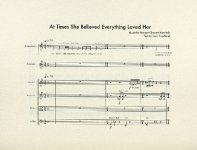
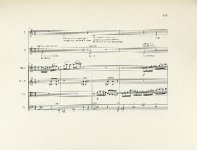
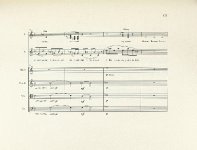
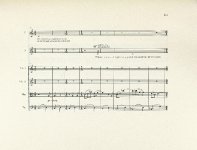
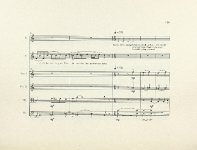
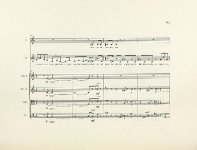
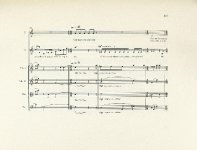
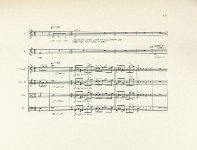
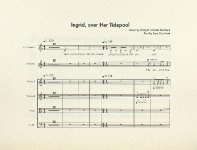
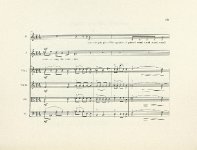
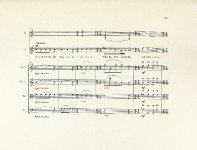
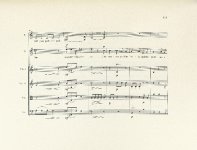
| OCR Text |
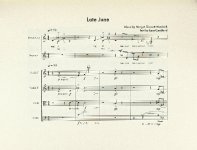
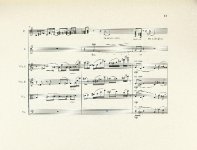
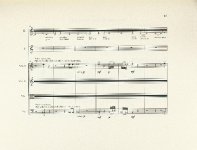
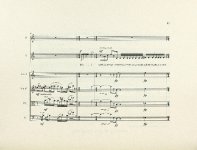
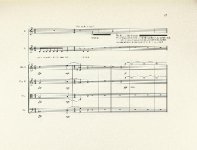
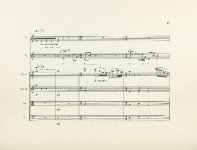
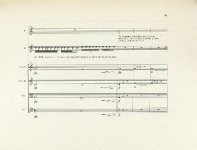
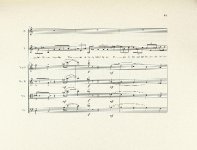
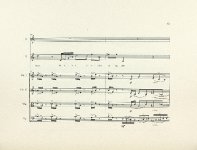
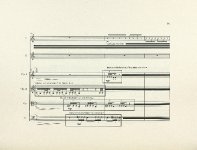
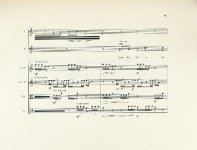
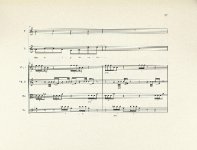
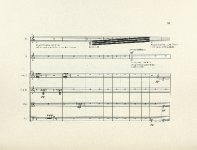
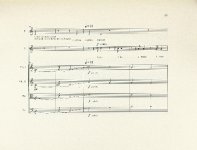
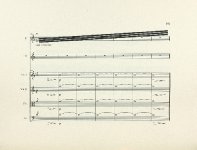
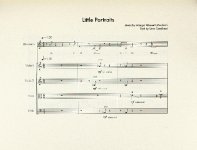
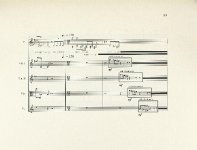
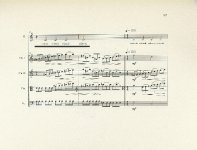
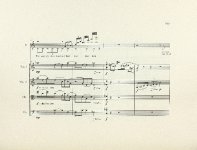
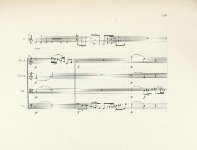
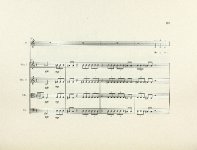
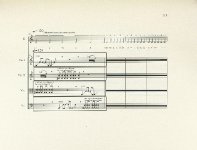
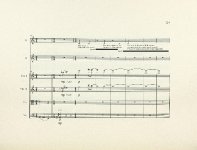
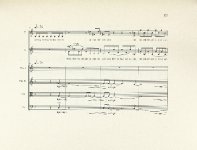
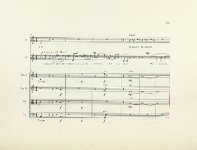
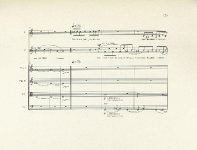
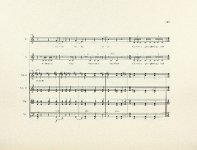
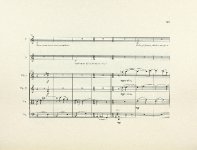
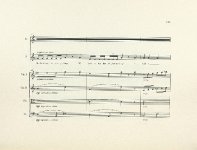
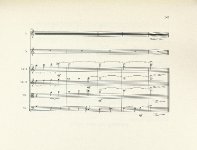
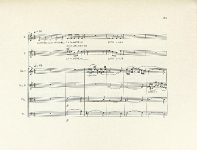
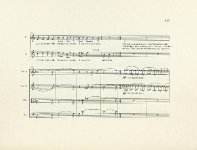
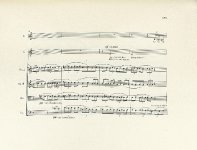
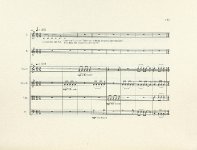
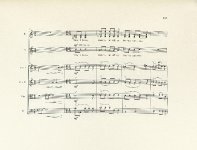
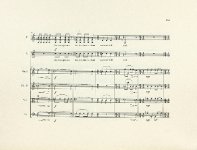
Show Notation Key J J J J Spoken. When consistently notated on middle C, the pitch of the spoken voice has not been considered and serves to demonstrate the rhythm only. The beginning of a longer passage of text may be marked in time by a single eighth or quarter note. n) )1 J J Spoken. Used in the electronic part only. Relative pitches of the spoken text are relevant to the other performers and so their approximate pitches are shown. Spoken. Demonstrates half note and whole note, respectively. Same considerations as other spoken notations. Improvise on boxed notes. When notes are separated by commas, the order of the figures may be chosen by the player. Players should move from one figure to another or repeat the entire box immediately as the amount of rest required is already indicated in the figures. ' ItId ! Thick black line demonstrates the duration of improvisations in the string parts, and loops and texture passages in the electronic parts. Lines that are not horizontal are in the electronic part only and demonstrate loops or texture passages that are changing register. Sing approximate pitches on the indicated vowel rapidly by bouncing the diaphragm as though laughing (ululation). rm huh re re ... r re (gasp!) ah_ee Unpitched electronic sound with rhythmic significance. Throat singing. Also known as Chant and Tuvan or Mongolian phonation. Singer activates vocal folds on the note with the typical note head while the false vocal folds produce the pitch with the square note head an octave lower. The highest square note head represents the strong fifth overtone. After the singer has established this phonation, she should slide upwards in pitch until she leaves chest register and the throat singing breaks. She then immediately and audibly gasps for air. Gradual vowel change. Change shape of mouth gradually over the duration of the note. |