| OCR Text |
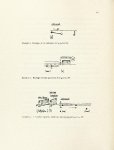
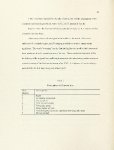
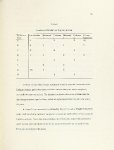
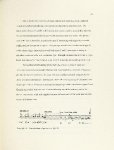
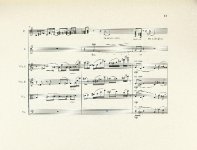
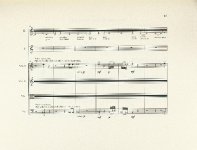
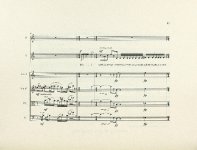
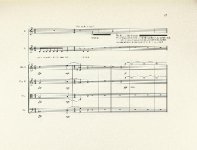
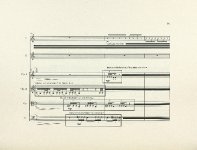
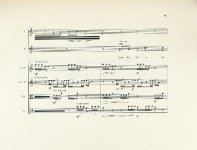
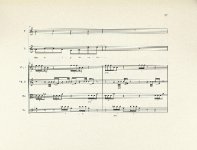
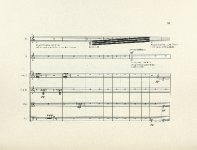
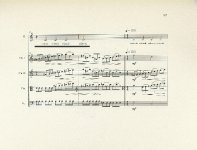
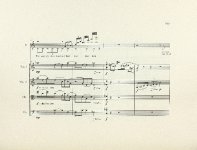
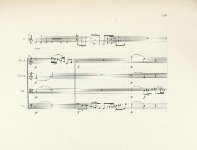
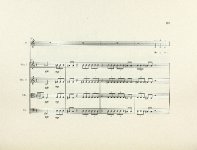
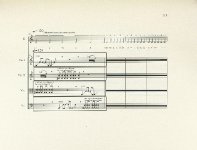
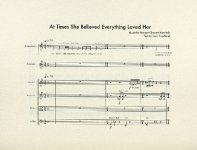
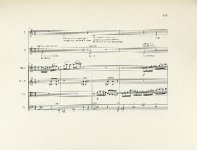
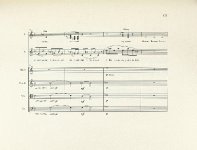
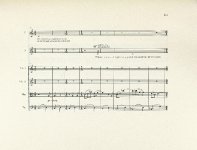
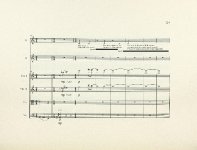
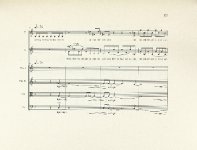
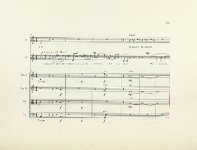
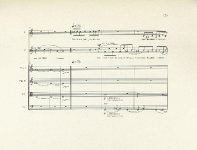
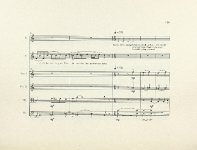
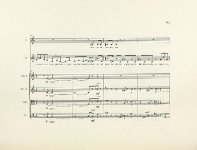
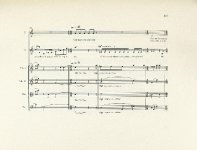
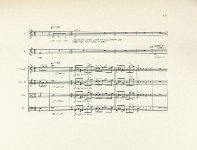
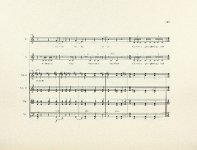
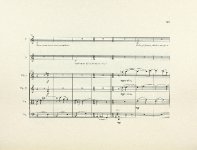
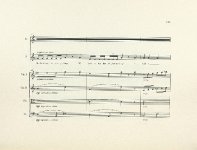
Show 49 and general melodic shapes. The order and way in which the production types are introduced support the notion that the piece has organic qualities and also makes the sectional form more apparent. A few of the sounds, air turbulence and unlunged noises, have not been included in the analysis as production types because they are not used in the same way as the rest of the sounds. They are not developed or expanded and they are isolated when they appear. These sounds are used specifically as exclamations, section closers, and transitional sounds between production types. The Introduction, Statement 1 and Cadenza 2 all conclude with air turbulence sounds. The unlunged noise (the tongue click) is used to separate production types within sections. The section from 20" to 40" of the Introduction is a good example of this. There are eight production types that recur in the piece. The first two types include characteristics (i.e., distinctive qualities) that are present in the remaining six types. The piece opens with a series of very quiet, unvoiced or barely voiced chains of nonsense phonemes muttered as fast as possible. Fast mutterings with unclear pitch will be called production type A (see Example 5) and fall into the "Speech" and "Air Turbulence" categories in the Appendix. The second significant production type is type B (see Example 6), containing sustained, pitched singing on vowels. Type B first appears just after 20" and would be classified as "Singing" in the Appendix. There are more than purely musical issues at play in Berio's choice of initial production types A and B. In production type A, the filter muscles in the area of the buccopharynx (specifically the tongue and lips) are the vocal tract muscles that are |