| OCR Text |
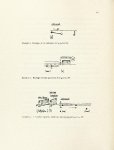
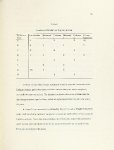
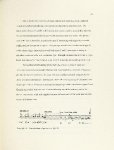
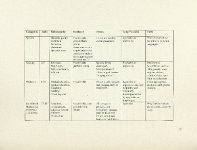
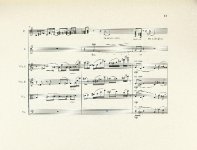
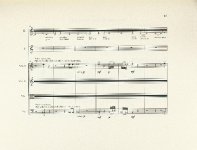
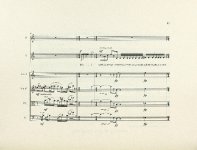
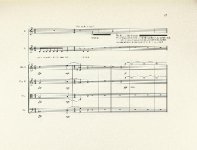
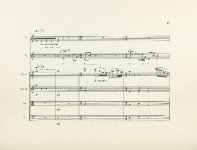
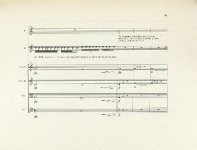
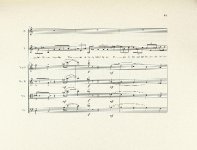
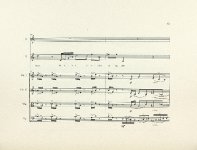
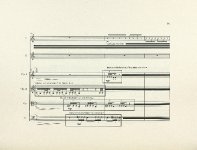
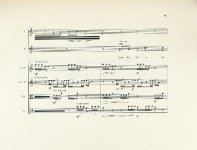
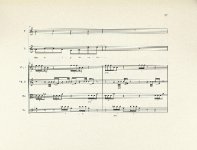
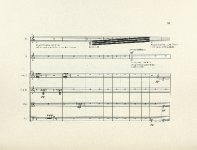
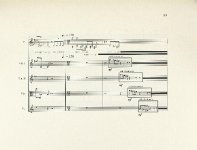
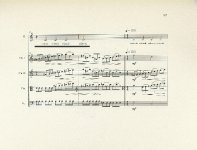
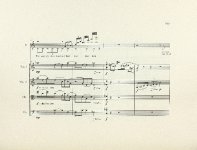
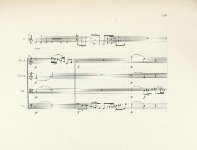
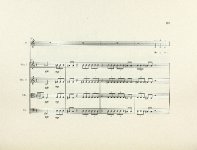
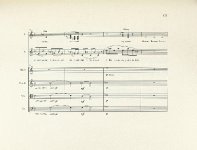
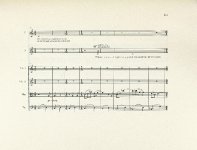
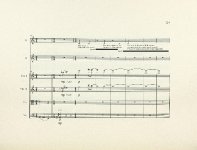
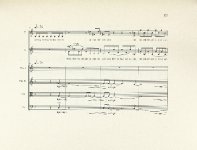
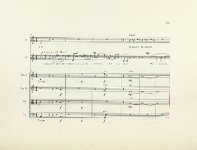
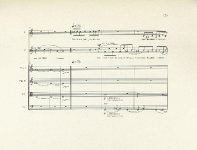
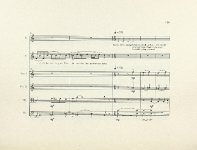
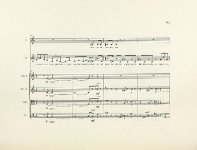
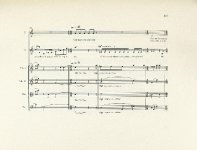
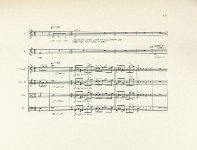
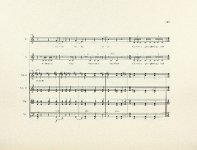
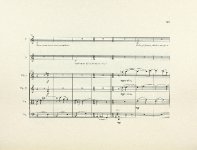
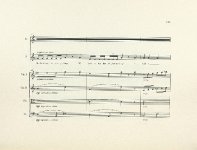
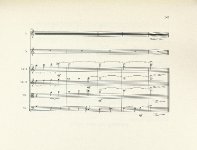
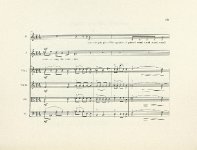
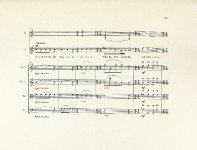
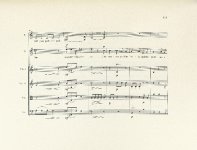
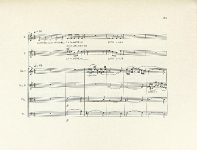
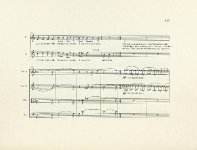
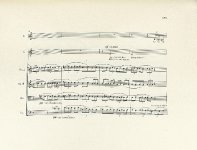
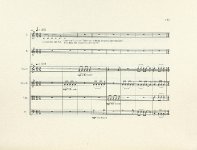
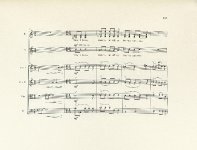
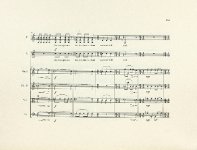
Show 65 .t em.t:r. i.nten.le .. » > :> > . •••• >- > ' - II 1I1I be - fora • >- >- •••.••••••••• > >- •• > • tab! u.s bt· lore B te..,,,,,orch be· Example 16. :> to bt . U!a fore b. tore give meb Climax in Statement 2 The climax happens on a combination of production types D and F, which share two of their three characteristics. The Cadenza section before this produced a climactic moment (4'45" - 5'05") through rapidly changing production types, but the second Statementsection does just the opposite, hanging on to a single method of production to create a climax. This opposition of production type usage, and consequently physiological opposition, is even more apparent when comparing the end of the second Statement section with the beginning of the first Cadenza section (6' 15" - 6'50" and 6'50" -7' 10"). The second Cadenza section begins not through elimination of production types and alternation with new production types (like the second Statement section) but by simply ending the section and immediately showcasing an array of Cadenza Section material. In a way, the physical climax that takes place at the end of the second Statement section is matched by the mental climax in the beginning of Cadenza 2: the two sections use complementary tactics to create intensity. Just before 6'50", Cadenza 2 briskly alternates types E, A, H, and C, challenging the singer's coordination. This section is not unlike the climactic material at 4' 45" except the coordination climax of the second Cadenza is intensified by the sustained material that precedes it as well as the pitch range of its musical figures (the singer travels back and forth between her high and low ranges |