| OCR Text |
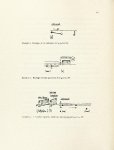
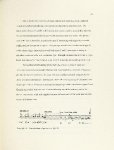
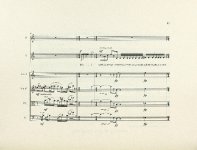
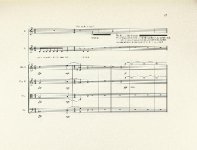
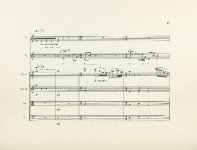
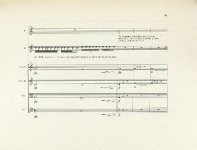
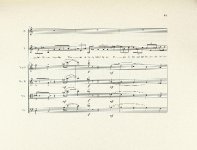
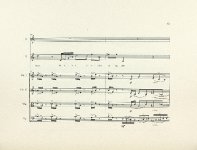
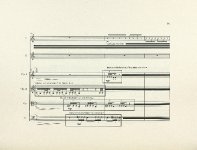
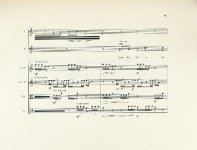
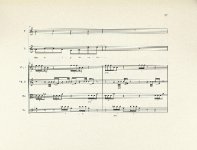
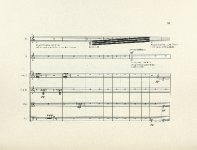
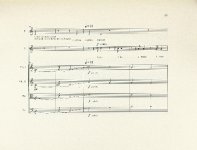
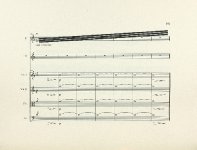
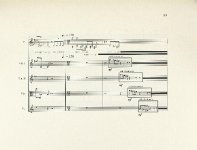
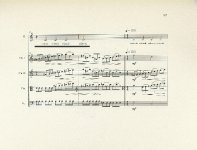
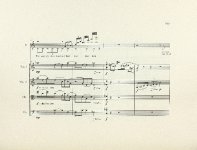
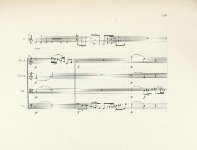
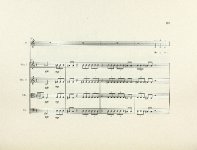
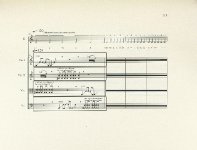
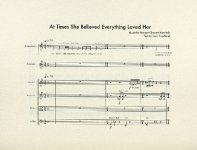
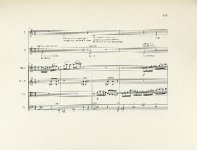
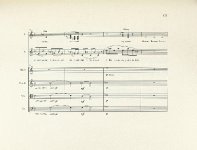
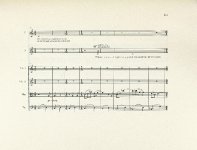
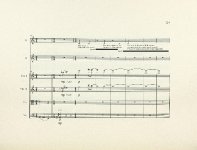
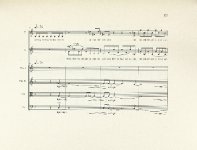
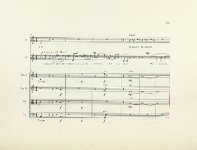
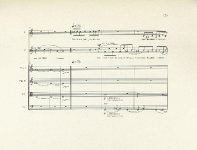
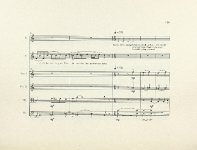
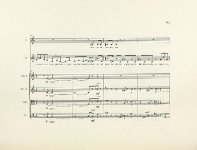
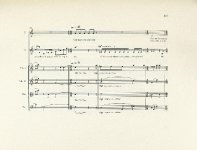
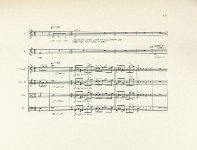
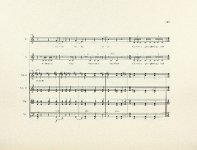
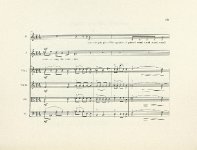
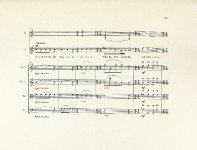
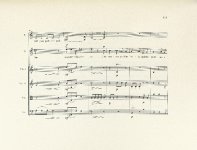
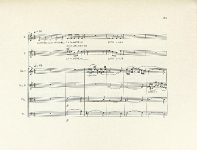
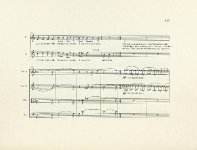
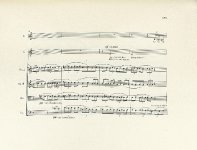
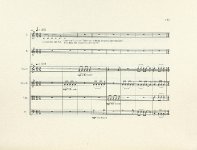
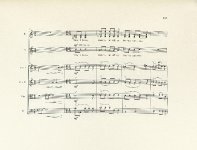
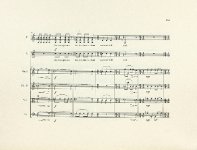
Show 3 theory.' While both of these analyses give insight into the piece, they are mainly philosophical discussions, and neither discusses the development and cohesion of the actual music. Although ultimately inadequate for an overall understanding of the piece, the first musical element that will be corisidered is pitch. There are three ways of representing pitches on staves in Sequenza III: (1) pitches written on one-line staves, which are spoken, (2) pitches written on three lines, which are sung without exact intervals (notes represent relative registers), and (3) pitches written on five lines, which are sung on exact intervals, but not exact pitches. Each sequence of intervals (between "spoken" sections) can be transposed to fit the vocal range of the performer." Therefore, an analysis of exact pitch in this piece will tell little about the piece since pitch is relative and meant to change with every performance. Interval and register, then, are the most important factors. The register of the piece is still somewhat dependent on the performer, but in most performances, the spoken' sections are mostly in the chest register while the sung sections, all except the very end of the piece, are sung in mixed registers or the head register. To an extent, the use of these registers reflects the overall form of the piece (to be discussed later), but is not consistent enough to help draw comprehensive conclusions about the form of the work. Intervallic analysis can only be applied to the sections of the piece where a five line staff is used. 3 Often, these are the moments where the text is clearly delivered. The Joke Dame, "Voices Within the Voice: Geno-text and Pheno-text in Berio's Sequenza IIF' in Music/Ideology: Resisting the Aesthetic ed. Adam Krims (London: Routeledge, 1998),233-246. 4 Luciano Berio. Sequenza III, words by Markus Kutter (London: Universal Edition, 1968), score instructions, first page. |