| OCR Text |
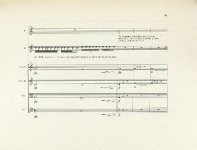
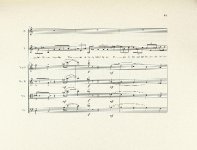
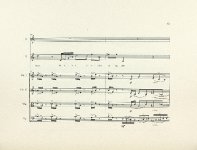
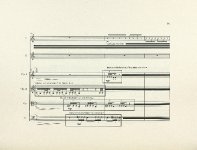
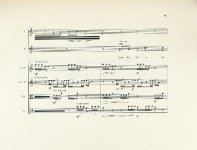
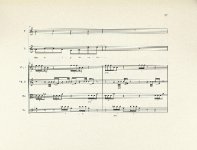
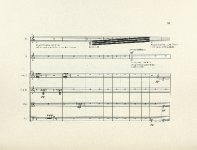
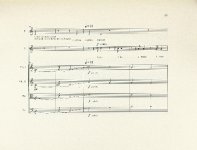
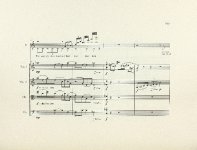
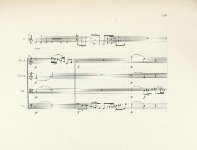
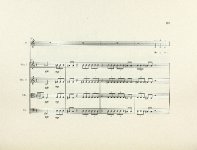
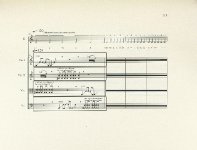
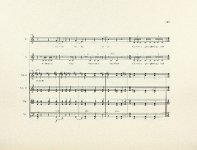
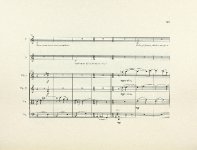
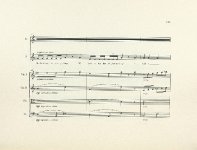
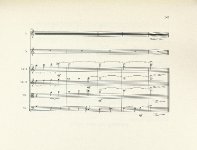
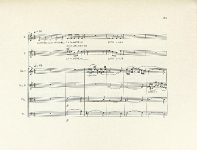
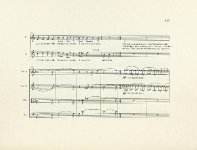
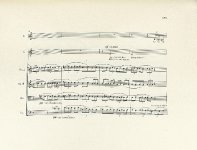
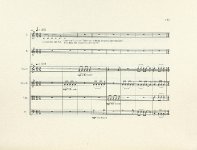
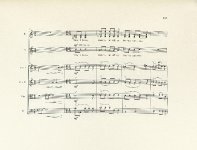
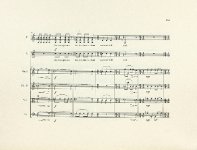
Show 43 heard around their house with "domestic clowning." These clownings were her vocal \ impersonations of spliced tape music. Berberian's improvisations used multiple vocal personalities and rapid changes in technique. It was Cage who first recognized the brilliance in her improvisations, and composed Aria for her. Berios' s first response to Cage's piece and first use of Berberian's improvisations was in Visage, a tape piece made of Berberian's wordless vocal improvisations. The improvisations Berberian produced during the creation of Visage would influence Berio's writing for the voice for years to come. The influence of Berberian's improvisations in Visage can be seen particularly in Because Berberian's material was physiologically born, Berio's Sequenza III. construction is sensitive to the voice's tendencies and capabilities. Berberian edited Sequenza III, and even said, "We almost composed it together.v" As Janet Halfyard put it, the material of Sequenza III "is rooted in the way that Berberian vocalized.t''" Joke Dame even argues that Berberian, or any performer of the piece, actually plays a bigger role in the creation of this piece than does the composer." Dame's analysis of Sequenza III is rooted in the French philosophies of Roland Barthes and Julia Kristiva. Barthes uses Kristiva's concepts of geno-text and pheno-text in his paper entitled Le grain de la voix where the pheno-text is described as the surface text, or the structures and laws of language, while the geno-text lies below the surface of a text and is revealed in " ... falterings, exclusions, repressions, hesitations, subversions, and that 32 Anhalt, 271. Janet K. Halfyard, A few words for a woman to sing: the extended vocal repertoire of Cathy Berberian. A paper presented at the University of Newcastle, 2004, 33 8. 34 Dame, 233-246. |