| OCR Text |
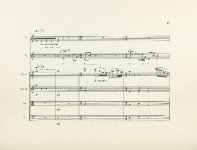
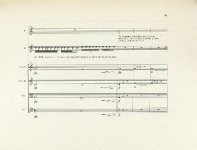
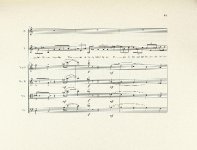
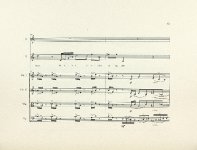
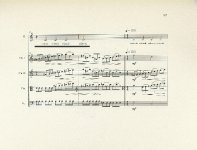
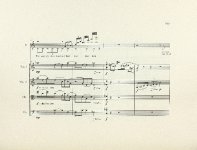
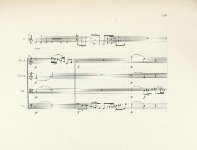
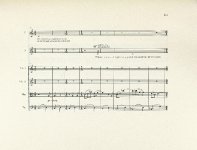
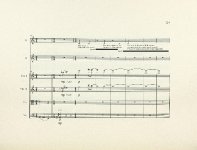
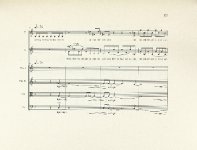
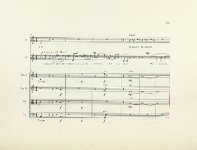
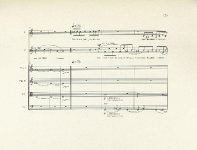
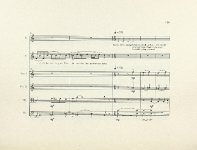
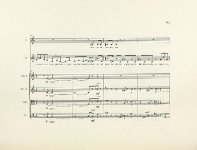
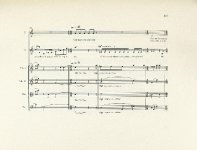
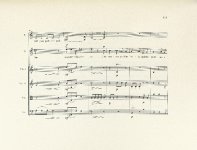
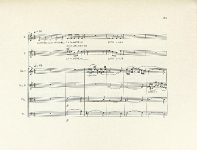
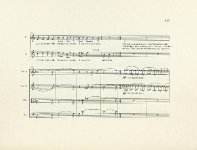
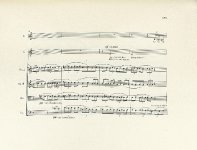
Show CHAPTER 1 INTRODUCTION Many different analytical approaches have been applied to music written after the Second World War, not the least of which include psychological approaches, formal approaches (such as semiotics), comparative analysis, poststructural methods and still others. 1 This suggests that there is more than one valid method of analysis for many pieces, and that some pieces are best examined using custom-built analytical approaches. This dissertation will analyze Sequenza III by Luciano Berio (1925-2003), a seminal extended vocal techniques (EVT) piece, using an approach specifically designed for this work. Since Sequenza III is graphically notated with very few exact pitches and rhythms, and instead focuses the listener's attention on a variety of unconventional vocal gestures, the analytical approach required for this piece must include musical elements in addition to pitch and rhythm. Other published analyses of this work have focused on "extra musical" aspects. Istvan Anahlt has analyzed the piece according to its psychological connotations/ and Joke Dame's analysis is inspired by French philosophy and literary 1 For example, Nicholas Cook's Guide to Musical Analysis demonstrates several different more recent veins of analysis. M. J. Grant's article "Experimental Music Semiotics" is one demonstration of the use of semiotics on experimental music. Andrew Dell' Antonio's collection of essays entitled Beyond Structural Listening? Postmodern Modes ofHearing was largely inspired by the ideas of Rose Subotnick and focuses on modes of hearing. poststructural 2 Istvan Anhalt, Alternantive Voices: Essays on Contemporary Vocal and Choral Buffalo and London: University of Toronto Press, 1984),25-40. Composition. (Toronto, |