| OCR Text |
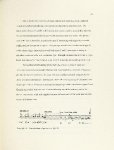
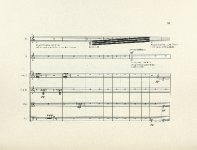
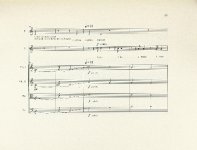
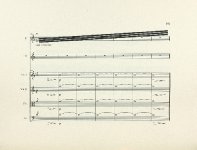
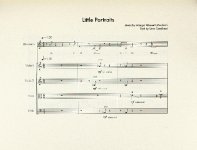
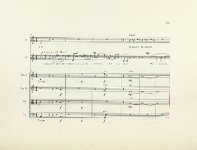
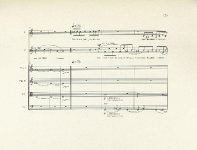
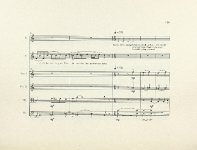
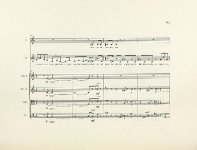
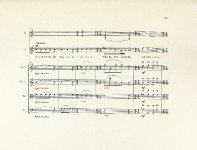
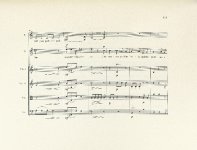
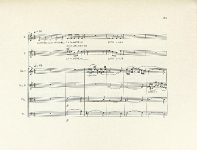
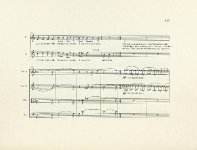
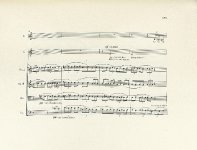
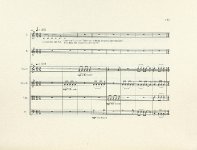
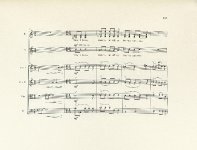
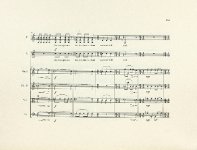
Show 9 Early Developments and Roots Like so many trends that would blossom in the twentieth century, the evolution of extended vocal technique can at least in part be traced back to Schoenberg (1874-1951). Pierrot Lunaire (1912) brought forth his use of Sprechstimme, a half speaking, half singing technique that allows for spoken inflections to playa part in conveying the text. Just as Schoenberg's twelve-tone theory is said to have developed logically from the extended harmonic language of the time, so the use of Sprechstimme was a logical development of the use of the voice during the time, most prominently from the tradition of melodrama," Melodrama composers correlated the declaimer's part with the instrumental music in a variety of ways. Some parts gave continuous text and allowed the performer to decide how the text would fit with the music. Other scores had specific markers indicating when the declaimer was to begin. 10 What set Pierrot Luniare apart from earlier melodrama is the precision of the Sprechstimme notation, both rhythmically and melodically, that allowed the declaimer less interpretative freedom. The declaimer's part was no longer only dramatic, it was actually a part of the music. Berg and Webem would adopt Sprechstimme, using it in ways that fit their personal styles. Other unrelated although comparable examples of works that incorporate a nonsung declamation around this time are Darius Milhaud's Les choephores (1915-16) and Stravinsky's His to ire du Soldat (1918). A few decades later, Pierre Boulez composed two major works for 9 Melodrama was a dramatic musical genre that began with J.J. Rousseau's Pygmalion (1772) where a declaimer would deliver text with musical accompaniment. A declaimer may have been instructed to speak during musical pauses or over the music. Mozart, Beethoven, Berlioz, Schumann, and Wagner all wrote melodrama. Schoenberg worked for a time as a cabaret pianist, so another likely antecedent to Sprechstimme is intoned recitation that can be found in cabaret singing. 10 Anhalt, 8. |