| OCR Text |
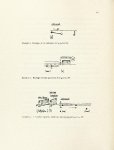
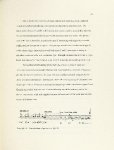
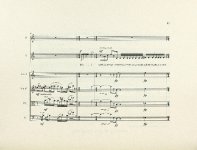
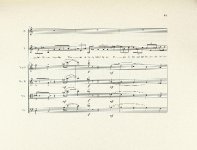
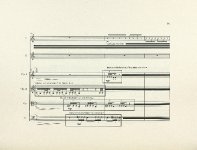
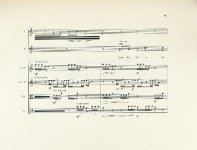
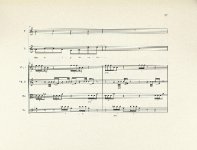
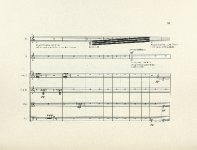
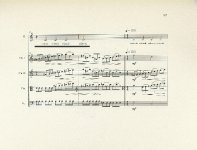
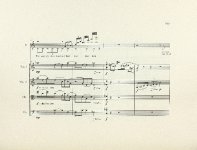
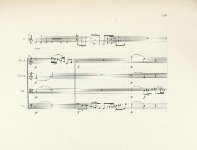
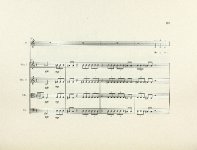
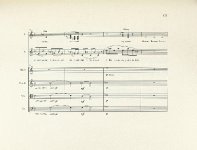
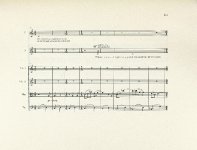
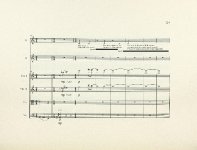
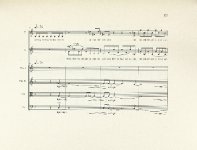
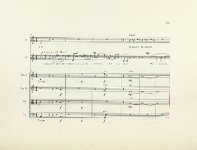
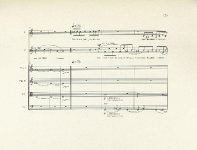
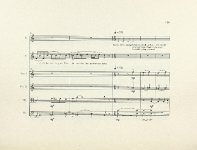
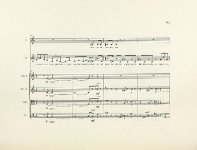
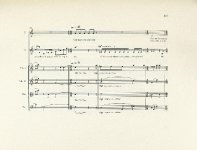
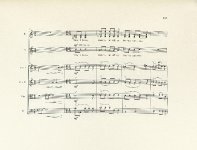
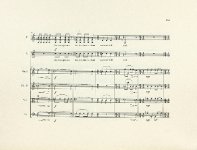
Show 63 This is not the first time two divergentproduction types have been employed immediately before introducing a new production type that is related to both. The introduction of types C and D in the Introduction section could be described in this way. It is not the last time production types will be introduced this way either. The phrase after 2' 40" can be described as production type F alternating with single short vowels, which could be interpreted as type E. This passage precedes the introduction of type G, which shares single characteristics with both types E and F, once again creating an effortless evolution to the new production type. Example 14 shows the alteration of types E and F on the words "/fol [i] be [u] to [e] Ifol [i]" before the arrival of type G on "[a]". This method of introducing production types creates a sense of logic and unification amidst the emotional turbulence and vocal ingenuity contained in Sequenza 111. By the end of Statement 1, the singer has been making sustained, sung pitches for about two and a half minutes. Starting just after 4 '20" (the beginning of Cadenza 1), the diaphragm shifts as it bounces to accomplish the passage made of production types C and E and is relieved by this new use. Counterbalancing use of the anatomy makes this almost nine-minute vocal solo singable because different parts of the vocal tract are able to rest at different times. + Uol Ii} b. Example 14. (u] Introduction of production type G + HI (u)--- |