| OCR Text |
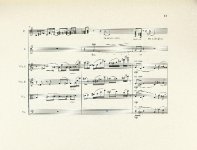
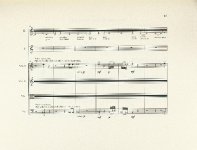
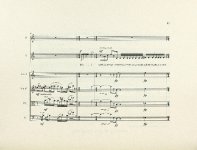
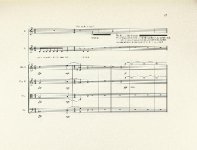
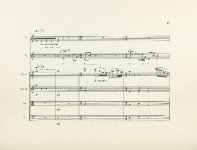
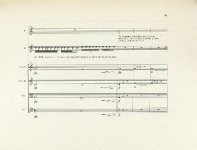
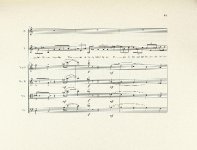
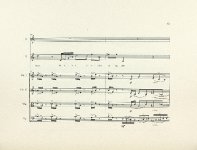
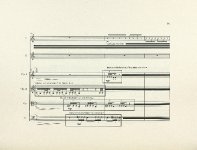
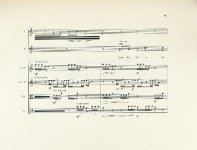
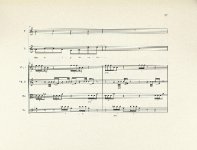
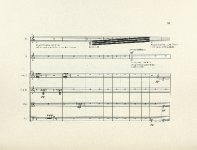
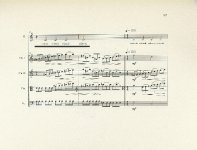
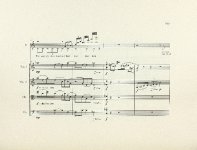
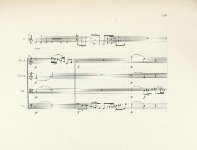
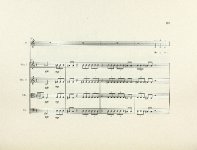
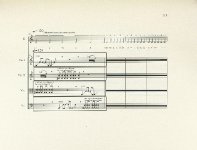
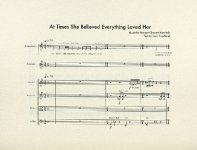
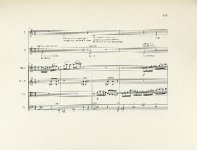
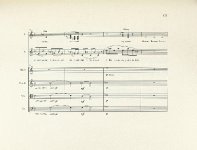
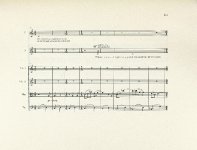
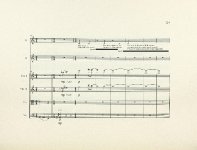
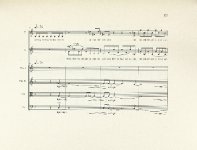
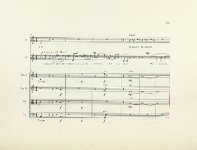
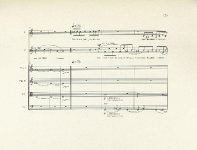
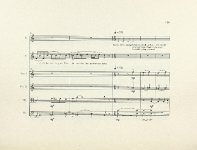
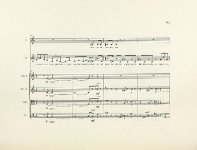
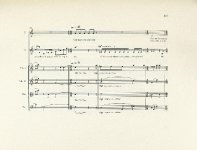
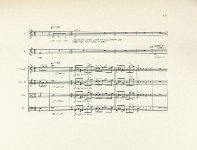
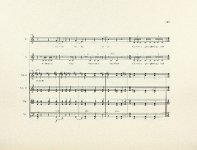
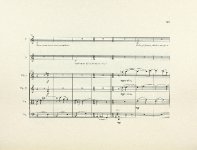
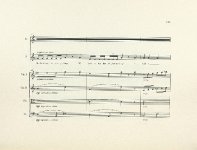
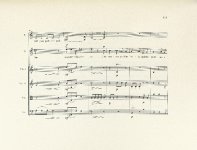
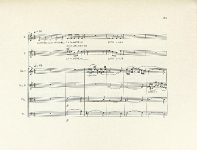
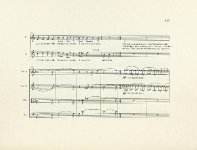
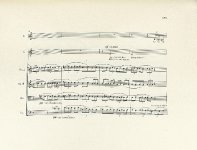
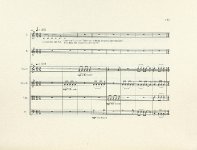
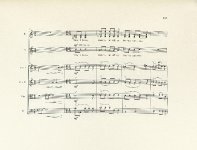
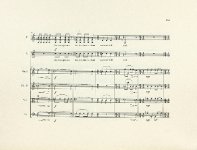
Show 10 orchestra and voices that continued the ideas (relating to the voice) of Schoenberg. Singers in Le Visage nuptial and Le Solei! des eaux use a variety of speaking modes: monotone, parlando, precisely notated declamatory rhythms, and exaggerated and prosodic sentence designs. Schoenberg, Boulez, Stravinsky, and Milhaud were some of the first major composers that allowed the voice to do something besides sing, a first step towards expanding the voice's expressive range, and, paradoxically, a first step towards expressing the meaning of the text by undermining its intelligibility as language. Schoenberg's invention of Sprechstimme was not the only artistic vocal transformation that happened in the early decades of the twentieth century. Another early . trend by various groups (mostly noncomposers) was the breaking down of language into presentations of phonemes and nonsense syllables. Although James Joyce (1882-1941) is known to most as a writer, attention to sound and rhythm and to phonetics in his work is nothing short of musical. Joyce's work would inspire one of Berio's first vocal explorations, Thema (Omaggio a Joyce) later in the century. Absurdist theater authors such as Eugene Ionesco, Samuel Beckett, Jean Genet, Arthur Adamov, and Harold inter, would also write nonsense syllables in their works. Members of the Futurist Movement were also exploring language and the voice. Filippo Marinetti (1876- 1944), playwright, poet and founder of the Futurist Movement, wrote an article, "Dynamic and Synoptic Declamation" published in 1916, that discusses superior declamation performance styles. He envisions the mixing and alternating of equivalent or subordinate declaimers and proposes that the declaimers should "metalize, liquefy, vegetalize, petrify, and electrify his voice, grounding it in the vibrations of matter |