| OCR Text |
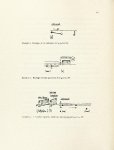
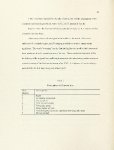
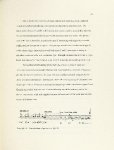
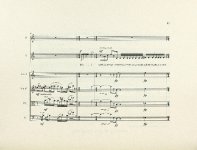
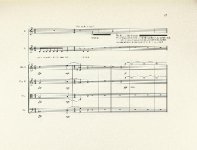
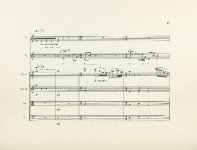
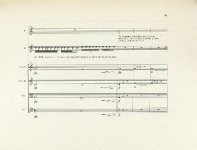
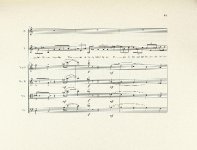
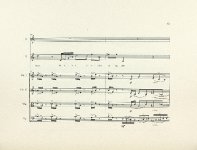
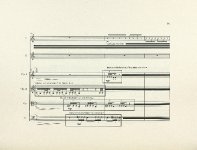
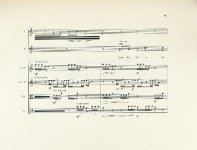
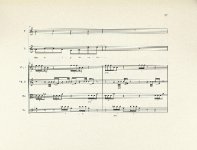
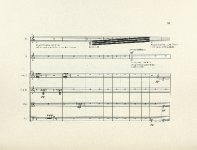
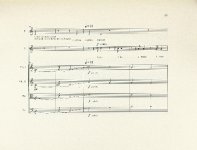
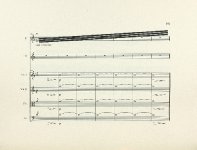
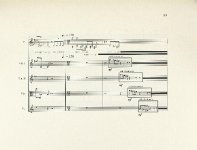
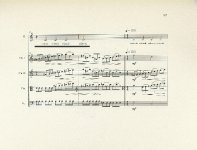
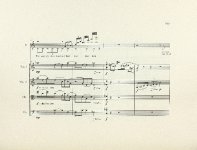
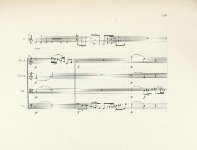
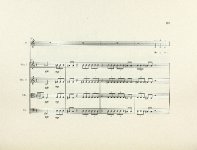
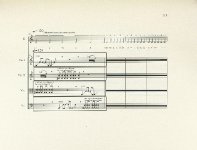
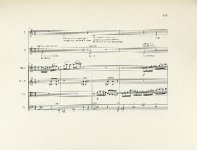
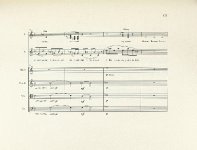
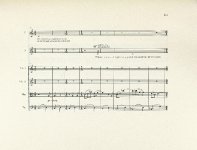
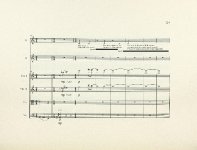
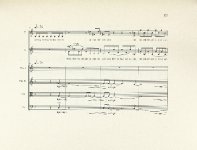
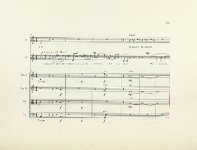
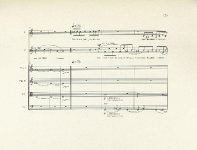
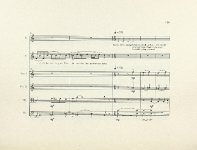
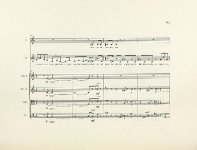
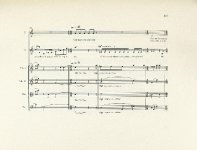
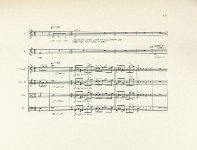
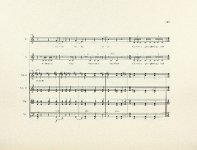
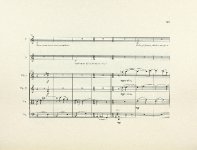
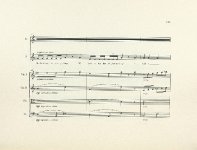
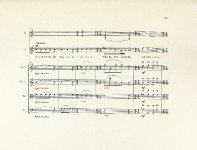
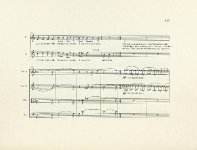
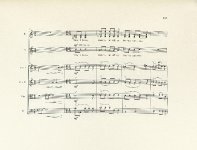
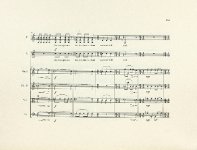
Show .64 The final production type is introducd shortly after at 4'30". While the next part of the first Cadenza mentally challenges the performer with its rapid changes of production type, it is actually vocally quite freeing, and is vocally akin to warm-ups singers do to make their voices relaxed and performance ready. From just before 4'40" to just after 5', six of the eight production types can be found (see Example 15). This is the highest concentration of change in production types in the piece; and it is intense for singer and listener alike. Before the Statement section 2, Berio stops changing production types; the remainder of the first Cadenza section uses only production type A and it alludes to the arrival of the new section where changing of production type is less frequent. The artfully executed transition includes the alternation of type A with type D (the most characteristic type in the Statement sections) starting at about 5' 15", until type A has been liquidated and the types prevalent in the Statement sections take over at 5'27". Register, duration and articulation create the climax of this Statement section. Around 6' 15", the singer is asked to sing a high note of her choosing, and to stay on that note and come back to that note for more that 30 seconds, accenting the note with every different word (see Example 16). H D c A + a-f.oMn3 Example 15. E B + atr) (] tar [aIr.] [11--{a] (lueto)[&t}to Rapidly changing production types in Cadenza 1 (al-f1l-. |