| OCR Text |
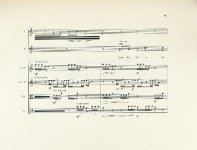
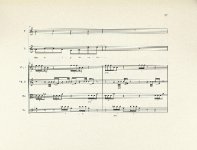
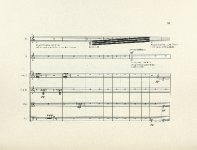
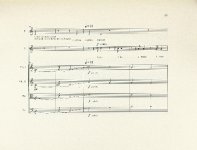
Show 42 First, a recording of Sequenza III depends on the performance, unlike a reasons. recording of a tape piece, which is fixed. A spectrograph of a singer's performance of Sequenza III would be specific to that performer so an analysis by this method could never purely represent the piece. Second, a spectrograph cannot vividly demonstrate words, syllables, emotions and other elements of human expression that are essential to an EVT piece. Analysis based on physiological coding of sounds can give great insight into how an EVT composer might go about composing out vocal ideas. A physiologically based analysis can demonstrate how motivic events are juxtaposed, transformed, liquidated, repeated, or otherwise manipulated while correlating them to human forms of expression. In addition to shedding light on vocal production variation, a physiological approach can take into account compositional aspects that a sonogram cannot show, since physiological issues (such as vocal weariness) often affect compositional choices made by the composer." Producing a vocal sound makes the employed musculature demand a counterbalancing response, a need to bend the voice back the Gother way. Physiological sensations often lead the improviser/composer towards specific compositional choices. Basing an analysis of a piece that was written by a composer who was not a singer on physiological premises may seem at first counterintuitive. However, Berio knew the female voice, Berberian's in particular, better than many singers know their own voices. In the years prior to Berio' s writing vocal pieces for Berberian, she had been submerged in the developing world of tape music, and vocally responded to the electronic sounds she 31 The stimulus for this type of analysis comes from the author's own vocal improvisations with UBA, a Utah-based extended technique improvisation group, where she noticed that structural articulation or change in musical direction in vocal improvisation was motivated by the need for a physical release in the voice. . . |