| OCR Text |
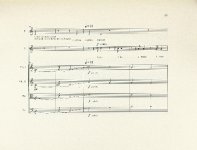
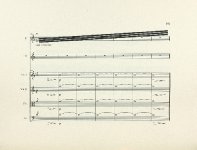
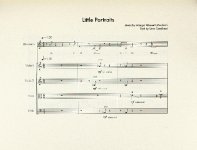
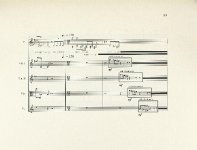
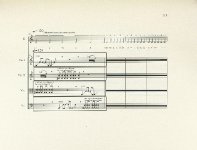
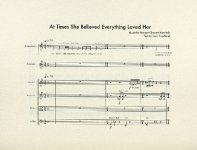
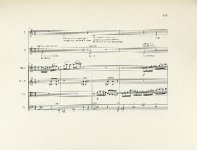
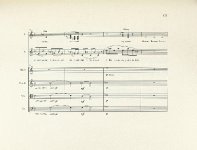
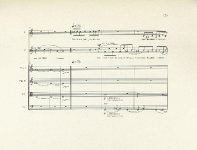
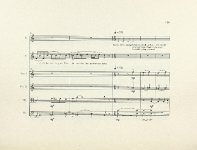
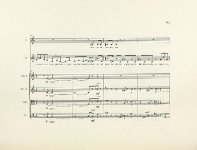
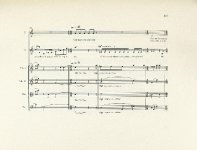
Show 21 would eventually tour the United Stated and Europe with whimsical compositions written specifically for them, including pieces by vocalist-composer Deborah Kavasch. Some of the ensemble's primary influences were: Tibetan monks chanting and creating an octave drone with prominent overtones, Mongolian and Tuvan overtone singing, Bulgarian women's music and African funeral music using ululation, popular music with occasional vocal fry or multiphonics (such as in recordings of Janis Joplin) and jazz recordings with octave singinf (Ella Fitzgerald sings an entire chorus of How High the Moon in octaves ... ).2 From these inspirations, the members created two EVT lexicons. The first one attempted to categorize the sounds with linguistic-like terminology while the second used a more subjective terminology that accentuated the inherent properties of the sounds. This second lexicon, called the Lexicon ofExtended Vocal Techniques (1974) includes sounds organized according to their sonic qualities and categorizes them into three groups: monophonic (for example: ululation and fry), polyphonic (for example: glottal overpressure and cross register ululation), and miscellaneous (for example: clicks and tongue squishes). The Appendix of this dissertation (a catalog of extended vocal , techniques) includes several of the same sounds as the Lexicon, but organizes them according to manner of vocal production (not simply according to their sonic qualities) and includes a few more techniques. The EVTE's Lexicon includes a production description for each sound and the individual sounds are demonstrated on an audiotape. The Lexicon is a collection of the most learnable and performable sounds. The Extended Vocal Techniques Ensemble excluded sounds that were thought to be unsafe for the voice or those that were difficult to produce. 26 Deborah Helene Kavasch, "Extended Vocal Techniques: Then and Now" paper presented at "Donne In Muisca, Gli Incontri Al Borgo," at the Fondazione Adkins Chiti: Donne in Musica Fiuggi Citta, Italy, 6-12 September 1999. |