| OCR Text |
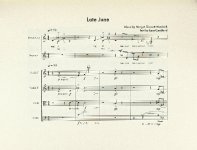
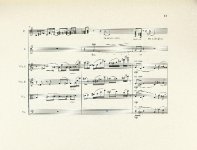
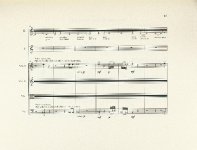
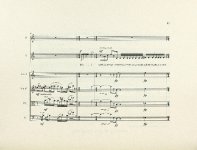
Show 18 composers have done for the extended voice, and so are worth mentioning here. Their work broadens the catalog of extended vocal techniques presented in this dissertation, and contextualizes the techniques Berio uses in Sequenza III. The composers discussed below are representative of a larger group of singer/composers that have explored the voice including Greetje Bijma, Y oko Ono, Priscilla Mclean, Shelly Hirsch, Brenda Hutchinson, Pamela Z and Diamanda Galas, to name a few. The extended voice tradition is still developing, and these vocalist composers each discovered their catalogs of technique in their own ways. While pieces like Sequenza III have given composers permission to further explore the voice, composers have also used other sources of inspiration to fmd their vocal sound world. In addition to the electronic music and literary sources that inspired Berio, they also have looked to non-western singing techniques. In fact, this practice is not limited to post-Berio composers. In the early decades of the twentieth century Arthur Farwell and Maurice Delage used non-Western vocal techniques in their pieces. Arthur Farwell was concerned with Native American folk music, and wrote pieces such as Bird Song Dance, where he sets nonsense syllables that are derived from Cahuilla tribe bird imitations. The French composer Maurice Delage was another early composer to use non-Western vocal techniques in a Western musical environment. In his "Themmangau," he exhibits Indian influenced techniques such as staccatos at the back of the throat and quasi-parlando.r' It is difficult to tell if these isolated examples influenced later composers who would use world vocal techniques or if non-Western music is a natural destination for composers exploring the capabilities of the voice. 23 Oxford Music Online; available from accessed 6 January 2009. internet; http://www.oxfordmusiconline.c.om; Jann Pasler. "Delage, Maurice (Charles)" |