| OCR Text |
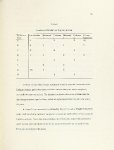
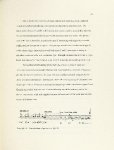
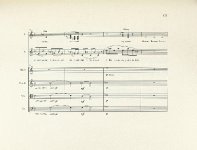
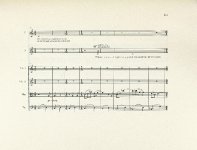
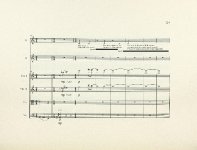
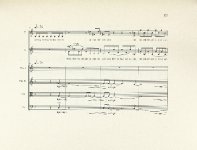
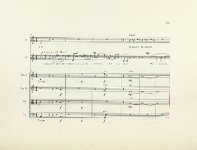
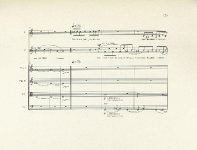
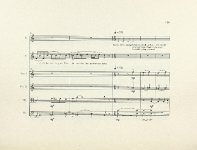
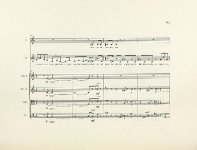
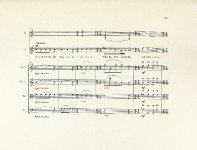
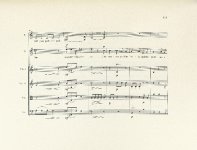
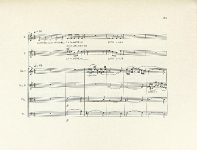
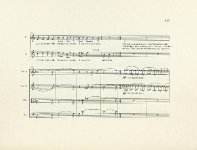
Show 4 interval that recurs most prominently is the minor third (see 1 '10"-1 '30", before 1 '50", 3'40"-3'50",5'40"-6'10",8'20"), appearing even more often than either major 'or minor seconds. As Kodaly discovered, the minor third is the most natural singing interval, one that is very present in elementary folk songs and the one that children can most easily. imitate. Berio' s frequent return to the minor third puts the voice at ease amidst the other vocally demanding leaps. This is fitting because, as will be discussed later in more depth, Berio's specific compositional choices in Sequenza III are consistently influenced by the capabilities and limitations of the voice. The minor third often appears several times in a row on the same two pitches as if the singer is stuck on this interval. The minor third also serves as an intervallic marker for progression in the text amidst all of the other phonetic sounds. Yet as the piece closes, the final interval is not a minor third as in the rest of the piece, but instead the music moves by major third. It is this change in interval that certifies the final cadence. The piece contains 32 minor thirds, and the second most common interval is the minor second, which appears 29 times. Compare that number to the mere eight times a major third is used, or the six times the major second is used. All of the other intervals are only used two to four times. Berio's interval choices are intentional and unique when compared to other vocal music. The interval choices contribute to the piece's overall mood and give the piece a wavering, wandering atmosphere. The predominance of the minor seconds and thirds also provides cohesion in the sung sections, and yet, although informative, a look at the pitches in this piece fails to give a comprehensive understanding of how the piece is shaped in terms of compositional development and form. |