| OCR Text |
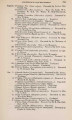
Show 1892.] THE NAGA AND KAREN HILLS AND PERAK. 647 Pulo Laut, Borneo. The Perak specimen is darker than the other three, showing the same tendency to vary as C. benjamini, to which it is closely allied. It may, however, be distinguished by the greater extent and paler colour of the yellow border and larger yellow lobe of the hind wing, and also by the difference in the black markings on the yellow beneath. Ismene subcaudata, Feld. Reise Nov. t. lxxii. figs. 20, 21, from Java, which I only know from the figure, is evidently a near ally, but may be distinguished by the black spots showing on the yellow of the hind wing above. PADUKA LEBADEA. Hesperia lebadea, Hew. Ex. Butt. iv. t. iii. 22, 23 (1868). Matapa subfasciata, Moore, Lep. Ceyl. vol. i. p. 164, t. lxiv. 3, 3« 3 (1881). Paduka glandulosa, Dist. Rhop. Mai. p. 376, t. xxxv. 5 3 (1886). Ismene lebadea, var. andamanica, Wood-Mason & de Nicev. J. A. S. B. vol. 1. pt. ii. p. 254 (1881). A single male from Perak agrees with Distant's plate and with a male from Pulo Laut, Borneo, in my collection. ISMENE MAHINTHA. Ismene mahintha, Moore, P. Z. S. 1874, p. 575, t. lxvii. 4. A single male from Bernardmyo, which differs from Moore's description in wanting the yellow discal spot above, though it shows below. The shape of the hind wing is different from his figure, being more lobed, but not so much so as in Choaspes benjamini. ISMENE OXDIPODEA. J. cedipodea, Swains. Zool. 111. i. t. 16 (1820). A single male from the Karen Hills. ISMENE JAINA. I.jaina, Moore, P. Z. S. 1865, p. 782. A pair from the foot of the Karen Hills. The absence of the red costal streak is not a mark of the female, as Moore says; both in the Karen Hills specimen and in Ismene fergusonii, de Nicev., from South India, this streak is quite conspicuous; but according to de Niceville it is highly deciduous in all species of Ismene. PlRDANA HYELA. Hesp. hyela, Hew. Desc. Hesp. p. 23 (1867). Pirdana hyela, Dist. Rhop. Mai. p. 376, t. xxxv. 6 $. A male from Perak and another from Tenasserim agree with Distant's plate and with specimens from Pulo Laut, Borneo. The sexes differ as in the next species, the female being shot with blue on both wings. |