| OCR Text |
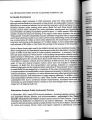
Show GROWTH AND REDEVELOPMENT Principle #9- Compact Settlement All existing cities, villages and townships in the region should establish urban and rural service areas in cooperation with neighboring jurisdictions and the preferred vision. New development in the region should occur in the urban service areas, planned developments within designated urban service areas, or in approved rural clusters at densities consistent with the natural capability of soils to absorb septic wastes and the community's ability to adequately meet public service needs. Principle #10- Transitional Edges To minimize future risks of commercial strip development, there must be a clear transition when passing from the urbanized, residential cluster and agricultural preservation zones. Principle #11- Phased Growth Each jurisdiction should determine the rate of growth appropriate to preserve and enhance their own community and its infrastructure, and subsequently phase/manage growth ata! pace that does not put undue hardship on existing populations, their neighboring jurisdictions or municipal services. Principle #12- Strengthening the Urban Core It is recognized that the long-term economic sustainability of the region depends on strong urban cores. Therefore, local units of government, stakeholders and citizens within the region should take such measures as are necessary to help ensure that they remain viable and competitive, that urban residential neighborhoods remain quality places to live, and that the urban school districts remain on par with other area schools. Principle #13- Agricultural Economy To create synergy between the regional economy and agricultural production, the region as a whole should place emphasis on the growth and regulation of rural lands. Principle #14- Focused Growth Priority The focused growth areas should be prioritized for enhancement, development and redevelopment prior to similar development outside designated urban service areas. 2-74 |