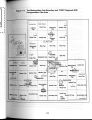
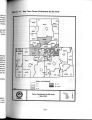
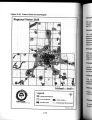
| OCR Text |
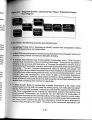
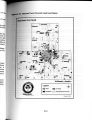
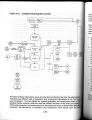
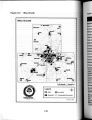
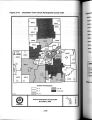
Show the Impacts and Alternatives Task Force essentially set the direction of the alternatives analysis on two parallel tracks, as follows: • Current Adopted Trend Forecasts, then built out to their logical conclusion or end state under current zoning; • Versus: "Wise Growth", then built out to its logical end state using the same totals as permitted under current public policy, but reallocated to reflect the Wise Growth land use pattern. The Task Force generally felt this would provide a fair and equal comparison of the two approaches, while demonstrating that the region could still grow to the same level of development currently allowable. Their discussion generally indicated the Task Force felt this would also permit more accurate cost/benefit and impact analysis, eliminate opposition or reduce the perception that the effort somehow was "anti-growth", while still permitting a mid-range option to emerge as a compromise between the two approaches if necessary. After receiving additional feedback from the Stakeholders and Steering Committees, development of the scenarios began in earnest. What follows are descriptions of the scenarios. The Adopted Trend Forecast, or the so-called "Business as Usual" Scenario This scenario (Figure 2-10) has as its basis the adopted population and employment projections developed at the traffic analysis zone (TAZ) level, representing the trend forecasts of population and employment growth outward from the central city areas. It details the land amounts and locations of residential and commercial growth throughout the region according to past development trends. The scenario assumes no major adjustment in development policies in the region, allowing development densities and other factors to remain consistent. The scenario illustrates an irregular development pattern, with development attracted to existing and planned public utilities and close proximity to roadway access and continuation of a land use pattern where residential development is attracted to many outlying townships and away from the central Lansing metropolitan area. 2-50 |