| OCR Text |
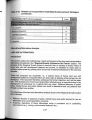
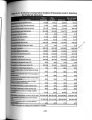
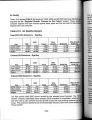
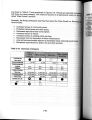
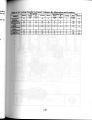
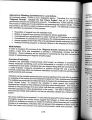
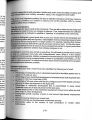
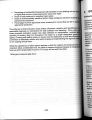
Show Scenario Analysis With few exceptions, analysis of the scenarios described above was accomplished using a Geographic Information System. The methodologies for implementing these analyses generally fall into these categories: • Simple calculations of land areas were completed for new development by land use type (residential, retail and non-retail) and features preserved, such as environmentally-sensitive and prime agriculture areas. • Overlay techniques were used to analyze geographic variables of interest on population and employment distributions associated with each scenario, including the percent of new households within existing urban service areas. More advanced GIS analysis techniques were used to determine accessibility to features of interest by calculating buffers, or distance to, features of interest (such as parks or transit) to determine the proportion of population and employment within that specified distance. • The most complex of the analyses involved utilizing geographic variables at different levels. Public service costs, for instance, are determined at the level of municipalities, which typically incorporate numerous TAZ's. The municipal layer was therefore unioned with the TAZ layer so that costs of public services could be allocated to TAZ's and be used as the basis for calculating increases in costs based on the development patterns outlined in the scenarios. The following matrix (Table 2-13) outlines major preliminary results from comparative analysis of the scenarios. In most categories, the so called "Wise Growth" scenario is superior to the adopted trend forecasts, or the so called "Business as Usual" scenario and build out scenarios. There are certain counterintuitive findings however, particularly the increases in police and fire/emergency management services expenditures in the Wise Growth scenario. This results from higher per-capita public expenditures needed to provide urban levels of services in these municipalities, raising the possibility that application of an average-cost measure was inappropriate. Marginal cost measures are difficult to develop in this type of scenario, however. It should be noted that the results of the comparative alternatives analysis shown in Table 2-13 represent preliminary analysis presented at the December, 2001 Town Forums and subsequent committee meetings related to selection of the Preferred Alternative, the so called "Wise Growth" scenario. An earlier regional population estimate was shown in this matrix for both the build out and wise growth build out scenarios, which also would impact per capita results as shown. This total was subsequently revised downward by the consultant team as a result of normalizing the future build out populations to better reflect the regional household size distribution. 2-58 |