| OCR Text |
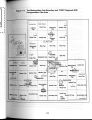
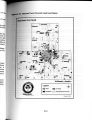
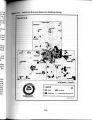
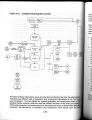
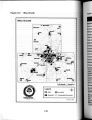
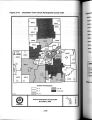
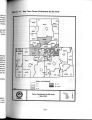
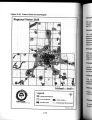
Show This scenario proved the simplest to develop. A composite zoning map representing the zoning policies of all the region's municipalities was developed by TCRPC staff. A union procedure using a Geographic Information System combined this composite zoning map with a composite map of existing land use/land cover. This allowed fora direct comparison of existing land use to existing zoning. Where a polygon's zoning exceeded its land use in terms of intensity (e.g., an existing agricultural area that is zoned industrial), then that area was considered to be a growth area for the purposes of the scenario. Build out population and employment densities were calculated by applying the zoning district's allowable residential and employment densities to household size (for population) and floor-area ratios (for employment). Figure 2-11 shows this scenario. In terms of anticipated development, this is the most expansive of the scenarios. Again, as with the trends scenario, much development is anticipated away from existing urban areas. The scenario illustrates more development infill of all types of development in order to permit a higher density of residents and employees. Most growth takes place in and around the local cities and towns and along major transportation corridors. The "Wise Growth" and "Wise Growth" Build Out Scenarios The "Wise Growth" scenario (Figure 2-13) was based on the Visions and Goals developed during the first set of Town Forums (July, 2001). Therefore, it steers more new development and redevelopment to existing urban areas with the use of growth planning policies and represents a controlled growth alternative. It was generated using both demand (population and employment projections) and supply (land suitability) considerations. The population and employment projections for this scenario were produced using two maximum controls. First was the total population of the build out scenario based on existing zoning and another was done using the adopted trend forecasts, or the so called "business as usual" total population. Therefore, this scenario actually represents two different scenarios: one based on the total amount of growth predicted to occur by 2025 in the adopted trends forecast and the other based on the maximum totals permissible under current zoning and density. However, both of these figures were reallocated into a "Wise Growth" land use pattern. The two different population alternatives, when applied to the "Wise Growth" scenario, result in very different residential and employment densities. The most complex of the scenarios, this is the only scenario where the allocation of population and employment was derived from the land development pattern. In the trends scenario, the land development pattern permissible under current zoning and trends were considered in the allocation process, but the actual population and employment forecasts are prepared independent from this land use pattern. The terms used to describe these two separate reallocations are "Wise Growth" and "Wise Growth Build Out". In the build 2-54 |