| OCR Text |
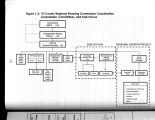
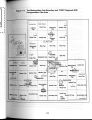
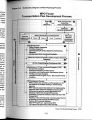
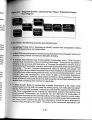
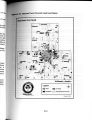
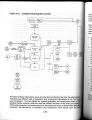
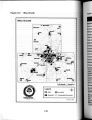
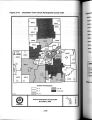
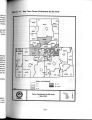
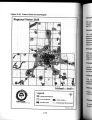
Show nd local level concerning land use and development have a major impact on our transportation system. That is why the Regional Growth project has become an integral art of our 2025 plan. The successful implementation of the regional vision at the sub-reaional and local level will be a key element in managing congestion and the cost of our future transportation infrastructure. Chapter 4 covers the State 2025 Plan and its integration with TCRPC's Regional 2025 Transportation Plan in more detail. Goals and Objectives The goals and related objectives in this plan represent a continuum from the previous Rpgional 2015 Transportation Plan with appropriate updates that reflect changing community attitudes. An extensive public involvement process was used in part to consider the relationship between land use and transportation goals and objectives. Feedback from this process is reflected in the transportation plan and can be reviewed in more detail in Chapter 3, Goals and Objectives and Chapter 13, Regional 2025 Transportation Plan, which includes tables that relate goals and objectives to the 23 project funding categories. Plan Development The TCRPC Regional 2025 Transportation Plan was developed with the cooperation and support of many transportation providers, planners and local government officials. The TCRPC already had in place an extensive advisory committee structure for transportation planning including the Capital Area Regional Transportation Study Technical Advisory Committee (CARTS) and their Long Range Plan Task Force and several sub-groups to focus on specific plan elements. A special Model Calibration Steering Committee also provided oversight on the model development and calibration (see Figure 1-2, TCRPC Coordination of Commission, Committees and Task Forces). Plan Area The policy structure for developing the plan has been in place since January, 1993 when TCRPC completed a restructuring to include transportation providers on the MPO policy board. The three road commissions, two transit authorities and the Michigan Department of Transportation were given seats at the policy level as an initial effort to conform to the intent of ISTEA. In February, 1993 the TCRPC/MPO designated the entire three county region as the Metropolitan Area Boundary (MAB) under ISTEA requirements (see Figure 1-3). This area has always been the TCRPC transportation planning area, but under ISTEA and TEA-21 this designation takes on additional importance in programming funds, coordinating planning and determining consistency with air quality rules, if applicable. With the 2000 census urban boundary expanding, the Federal Aid Urban Boundary has now been adjusted to include portions of Shiawassee County in a small area of Woodhull Township. This new area is now a part of our MAB. 1-7 |