| OCR Text |
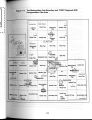
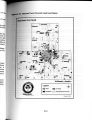
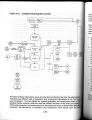
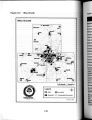
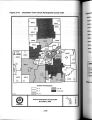
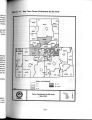
Show was still being beta tested and was not generally available for use. Air Quality Conclusions The relatively slight increases in 2025 emissions under the "Wise Growth" scenarios although counterintuitive to proponents of wise growth, are reasonable. However, notethei differences in emissions between the two build out scenarios which are based on current densities allowed under existing public policy (Build Out) and Wise Growth Build Oi (zoning control) which allocates the same population, employment and households accommodate a doubling of population growth to about 1.1 million people. With the sanrtf number of persons living and working in this region under either scenario, the so calk "Wise growth" scenario substantially reduces estimated congested miles to approximate half of what otherwise would occur under current zoning. Depending on the assumption, say a conservative $1 million a mile to retire deficiencies, this would result in an estimate long term cost savings to the taxpayers of 1.8 billion dollars. A more reasonable long ter cost estimate of $3 million a mile triples this savings to the taxpayer in the long term. Some of these funds might need to be shifted to transit and non-motorized modes, ITS other management and operational improvements under this alternative. However, thesjl types of shifts would also result in further emission reductions. In summary, the short* term (25 year) impacts of "Wise Growth" on the existing transportation network results in slight increase in deficiencies, costs and a slightly higher rate of emissions (which are real! quite negligible given the caveats above about mode shifts, the runs being on Existing Committed or baseline network and the extension of fleet turnover for an additional fi\*l years of new and cleaner emission factors which were not included in MOBILE However, at Build Out, the transportation cost savings, reduction in congestion ari deficient segments and the related emission reductions of "Wise Growth" in the longer ter to reach Build Out are staggering in comparison to the costs of transportation investment or implementation of transportation control measures necessary to obtain the same type i reduced emissions, congestion or to retire deficiencies using other typical techniques sue as vehicle inspection and maintenance or major roadway widenings. In addition, emissions! and transportation benefits of the so called "Wise Growth" scenario may be substantially! understated here due to continued network improvements, increased transit and nor motorized use and probably cleaner vehicles or new technologies which may occur in t\ longer term at regional build out. register* Alternatives Analysis Public Involvement Process In December, 2001, nearly 250 tri-county residents - including business owners, electe and appointed officials, farmers, and environmentalists - participated in the "Regional Growth: Choices for our Future" project's second round of Town Forums. Figure 2-1| illustrates the distribution of residence by zip code for attendees. The Regional Growtr project's alternatives were publicly unveiled at these Town Forums in Mason, Grand Le St. Johns and Lansing. Clinton, Eaton and Ingham residents in attendance once agai 2-64 |