| OCR Text |
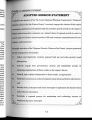
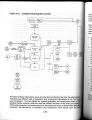
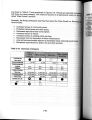
Show 1995 base year, necessitated rescheduling a major update of the 2015 plan. Accordingly, TCRPC, MDOT and FHWA staff jointly reached agreement on a method and approach to completing an Interim Regional 2020 Transportation Plan while work towards completing a 2025 plan would proceed in conjunction with the development of the Regional Growth project. This approach included three elements: 1.) Reaffirmation of the technical analysis and remaining chapters of the existing 2015 Regional Transportation Plan. 2.) Updating the financial forecasts contained in that plan based on current estimates of reasonably expected revenues between 2000 and 2020; and 3.) Updating the Long Range Plan project lists to 2020. Regional Growth Project Background Beginning in 1997, the TCRPC initiated a multi-phased, multi-year land use analysis and regional visioning activity entitled: "Regional Growth: Choices for Our Future". The overall goals of this project were to develop a shared vision of future land use and development patterns throughout the region and to establish an action plan to address urban sprawl which will guide public and private investment decisions (including transportation investments) for the next two decades. The Commission received funding from local, state and federal governments totaling over $1.1 million dollars towards this effort, including a federal transportation discretionary grant totaling $355,000 from the Transportation and Community and System Preservation Pilot Program for this project. The mission statement for the project is shown in Figure 1-1. Examples of activities conducted under this project, in summary, include: extensive information and data gathering efforts including basic research on regional land use change over time, fiscal impact and real cost analysis, 3D oblique imagery of future regional land use alternatives used in visual preference surveys, a process for monitoring growth indicators and reporting change and GIS and statistical analysis of impacts of past and present transportation investment decisions on urban form. The information gathered for this project was used in an extensive array of public involvement and consensus building activities (including two sets of random public opinion surveys and leadership surveys, targeted interviews, focus groups and three sets of four facilitated nominal group style town hall meetings at different stages of the project) leading to establishment of regional goals and objectives for land use and transportation. Also, a Regional Transit Coordination Study and identification of regional land use and transportation alternatives was completed. These alternatives were evaluated using a comprehensive alternatives analysis process that included community impact assessment, environmental justice analysis and comparison of various performance measures under each alternative. Eight transportation network alternatives were then analyzed based on the Preferred regional land use Alternative in order to determine which projects and programs should be in this plan. An action program was developed to implement the selected land use alternative. Dissemination of education and communication materials to facilitate public awareness of the action program, an evaluation research component and developing a process for reporting implementation results overtime is also included. 1-4 |