| OCR Text |
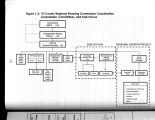
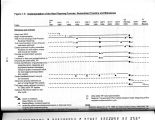
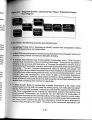
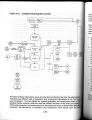
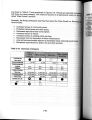
Show ] Hi In summary, TCRPC has continued to make substantial progress at initiating implementation of the new process, and remains generally on track in meeting the i §' schedule and milestones as submitted with our FY 2003 work program document in September, 2002. "Si 1 s < TCRPC staff also believe that it is important to note the high level of effort and cooperation |h received from MDOT throughout attempts to implement the new process to date. 1 | '55 4Sc £f> Substantial progress has been made and TCRPC and MDOT are further refining and « El applying the new process in completing TCRPC's major Regional 2025 Transportation 11\ plan update in FY 2003 in conjunction with the "Regional Growth: Choices for our >- ^! Future" project. Agreement with CATA and other regional transit service providers is .e i« being completed to further fully integrate the new process in the region. Discussions on 2-2p this topic have been initiated with new CATA staff and work on this activity is also "§ h anticipated to continue in FY 2003. S 11 In summary, while certain timeframes shown in Figure 1 -5 have become extended, TCRPC l-ij and MDOT have implemented the new process consistent with the general approach ~ |; shown in this figure. Final agreement with area transit providers will be completed later u c in FY 2003. With adoption of the Regional 2025 Transportation Plan the region has achieved a major milestone in implementing the new process. Future Plan Updates I TEA-21 requires that the TCRPC Regional Transportation 2025 Plan be updated every five ^ I years to adjust for changes in transportation priorities, growth and development patterns. | ¦§ In addition, a process will be established to monitor changes in socioeconomic data over £ p time as an input to future estimates of growth. The plan update cycle could change to a - o three year period due to new Environmental Protection Administration (EPA) standards. | S If our planning area does not meet the new standards we would become a non-attainment |2 S area and revert back to a three year cycle for plan updates. The plan would also have to § u! include extensive modeling to demonstrate that future projects would not exceed air quality » 11 standards. - E c\ - c to * 3 8 :£ft ^'an Amendment Procedures A ~U) .> (fl .« n s ™ i i Occasionally circumstances may require that changes to an approved plan must be made. | | | g j If the change is considered to be major in nature then a formal amendment would be > 8 •¦£ | \ required. This procedure would follow the full process of public notice, committee reviews : = 8 |s and recommendation to the TCRPC for formal action prior to submission to the MDOT. | o. § jc If the changes are minor or administrative in nature, or the result of an administrative ]? tjj amendment to the Transportation Improvement Program (TIP), then the plan could also 8)1 i be amended administratively following procedures established by the TCRPC as described - ~c below. Projects that are in the 20 year time frame, but beyond the TIP time frame, could I ^ also be administratively amended if they also meet the approved criteria in the adopted i ^ procedures. 1-13 |