| OCR Text |
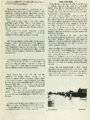
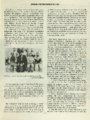
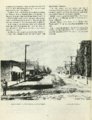
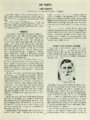
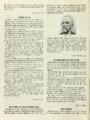
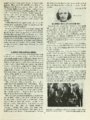
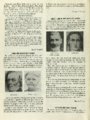
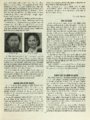
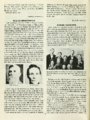
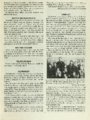
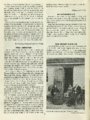
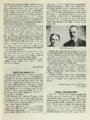
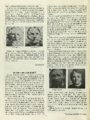
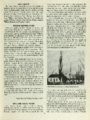
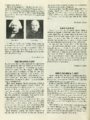
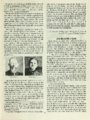
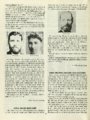
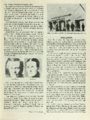
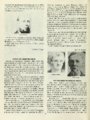
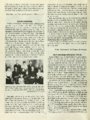
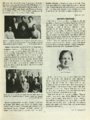
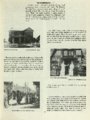
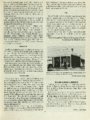
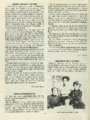
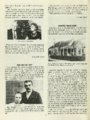
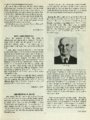
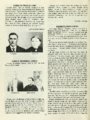
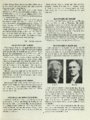
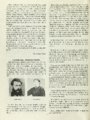
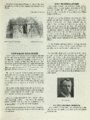
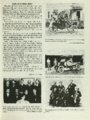
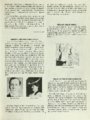
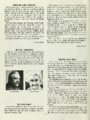
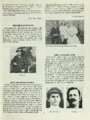
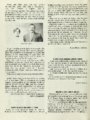
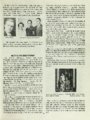
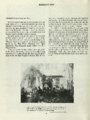
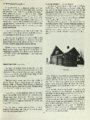
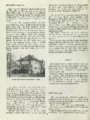
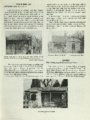
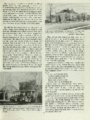
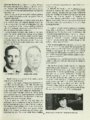
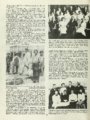
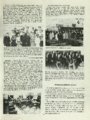
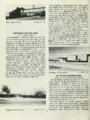
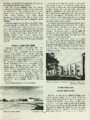
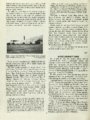
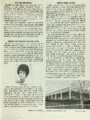
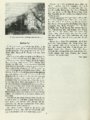
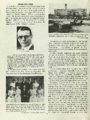
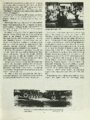
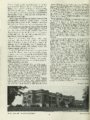
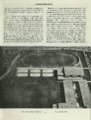
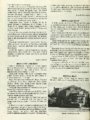
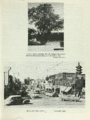
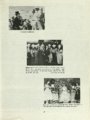
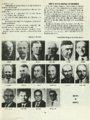
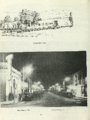
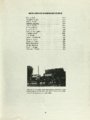
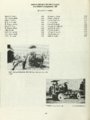
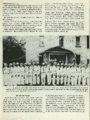
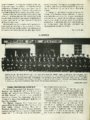
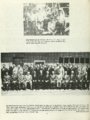
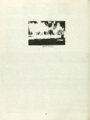
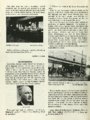
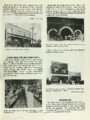
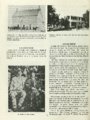
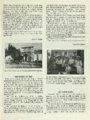
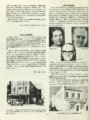
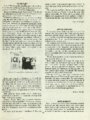
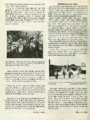
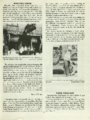
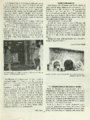
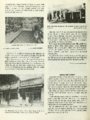
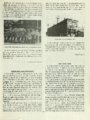
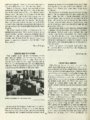
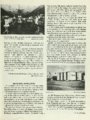
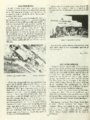
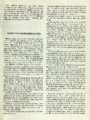
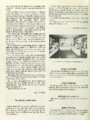
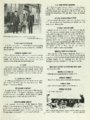
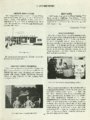
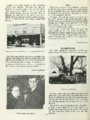
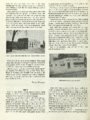
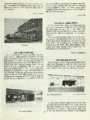
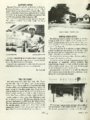
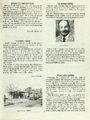
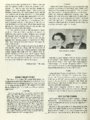
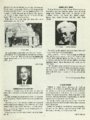
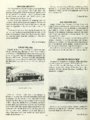
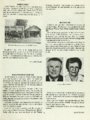
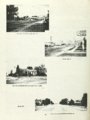
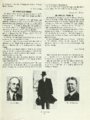
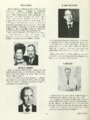
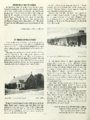
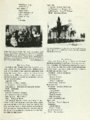
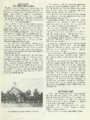
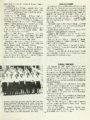
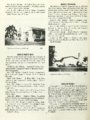
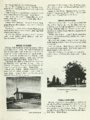
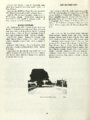
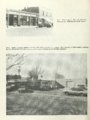
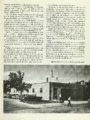
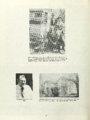
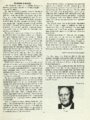
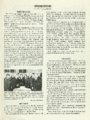
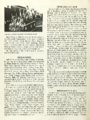
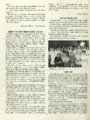
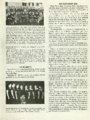
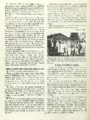
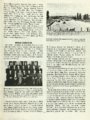
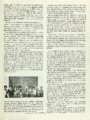
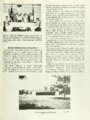
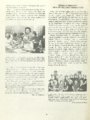
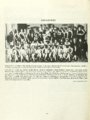
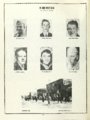
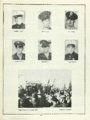
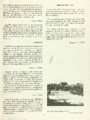
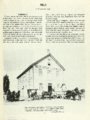
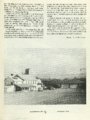
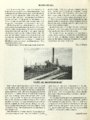
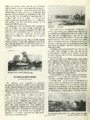
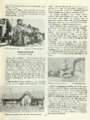
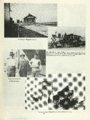
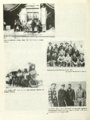
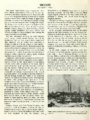
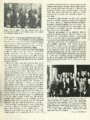
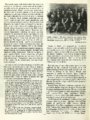
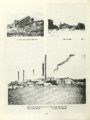
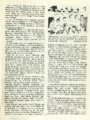
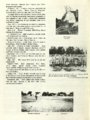
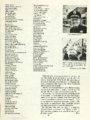
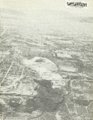
Show and products for the plant during his employment. John Griffiths was the slag motorman when the change from molten slag haulage to granulated was made in the mid-thirties. Harry Stagg, for whom Stagg Street was named, was' a veteran machinist and later maingate watchman until materials his retirement at 87. John Thomas Booth commenced working at the smelter in 1907 and retired in 1951 at 75. At the time of retirement he baghouse. His son, J. was the tailor at the Theodore, worked with his dad for 25 years. Abner Bowen was head pipefitter for many of his 40 years of service. A son, Harry, was boilershop foreman. His predecessor was William Dearing. John Cvar from Smelter "25 year men," 1929. left to right: Charles Reading, Franklin Reading, Fred Hedberg, Charles Canning, Orson Newbold, Shirley Richardson, George Clark, lars Nelson (upper right). Austria was a plant blacksmith for more than 30 years. Plant machinists included John W. Farmer courtesy Verda Wahlquist (foreman), Joseph Barron, Henry Gosman Belich's son, was roaster Melvin, won a company scholarship and superintendent. Stephen Corak, another early Slavic immigrant, with many years service had Strom and Earl Smickle, George all with many years service. The list goes on: Fenn Stewart, LeRoy Jenkins, Lester Margetts, William Young and Cecil Hardcastle, the latter lead plant foremen. Lee Brown, Earl Brown, sons who became 40 year veterans before retirement. John was anode weightmaster and Dan was two - Clyde Pugmire, Hyrum Beckstead, Leo McKemp, Ted Ray, Walter Jenkins, Shirley Richardson were mill operators and foremen. Le Clyde Canning, boilermaker, was plant and Midvale City fire chief for many years. Seven years after the smelter shut down the plant listed 49 employees who had worked for more than 40 dross furnaceman. Walter Watanuki, Japanese leader, resided with his family in a company cottage and was a sinter machine operator for many years. Fred Hyke was employed in 1912 as a painter. He was brought in from Nevada because of his expertise in formulating corrosion resistant paints. One of Fred's special paints became known as "Midvale gray." Robert Wallace, general superintendent and later manager, resided in a company cottage for twenty-five years until he retired in 1949. Peter Blatnick, who had served a long carpenter apprentice in Austria, was the cabinet maker and finish carpenter for more than 35 years; 128 with 30 or more years and 105 with 20 or more years service. How can one mention only a few of many fellow workers? You start to record those who made the and when available space is filled, you industry regretfully stop. It has been the author's privilege to have worked with during his twenty-five years of He holds each in high regard. hundreds of fine years. His son, Peter Jr., was a machinist. Henry T. Wahlquist, member of the plant first-aid team as early as 1923, retired as a chemist in 1967. He service. men supervisor of employment and plant safety when plant shut down. Prior to that time, he had been an as sayer chemist and roaster superintendent. Ernest Millerberg and his brother, Wallace (Slim), was the , are as or numbered among the old reliables. Ernest retired plant foreman and Slim worked as Cadmium sodium aresenate plant operator and painter arsenic depending on the need. Peter Fourkas, Greek immigrant, worked for more than 40 years mostly in railroad track maintenance. He spent many years as track inspector despite his painful, arthritic knees. William Landers was warehouseman His son James, is co-publisher of and timekeeper. Valley Sentinel. Harold (Skip) Landers was a locomotive crane operator and local union president for Jordan several years. Martin Beckstead, veteran recorded hundreds of Boston Consolidated converted into weighmaster, personally thousands of tons of finally raw 235 into a a Smelter, 1906. This smelter was eventually a glass factory, a slag wool plant and plant by Welch Brothers. courtesy Henry and Verda Wahlquist steel mill, door mill |