| OCR Text |
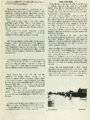
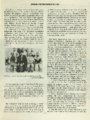
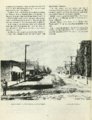
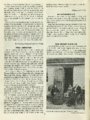
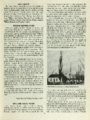
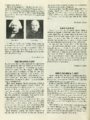
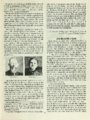
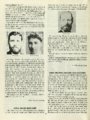
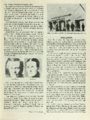
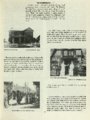
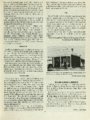
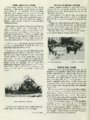
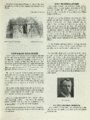
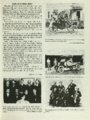
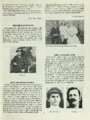
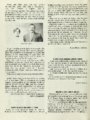
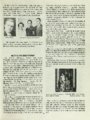
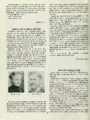
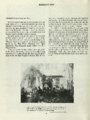
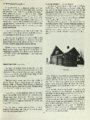
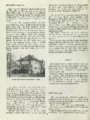
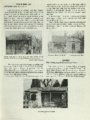
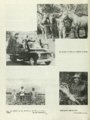
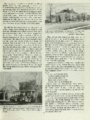
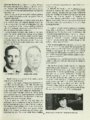
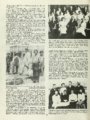
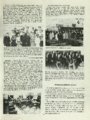
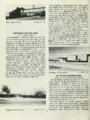
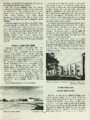
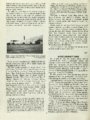
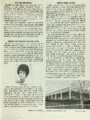
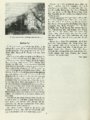
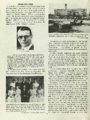
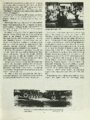
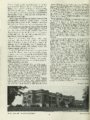
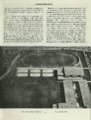
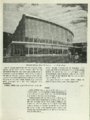
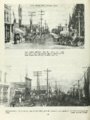
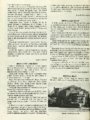
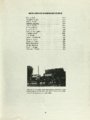
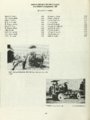
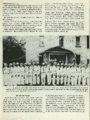
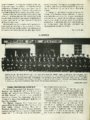
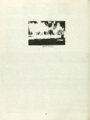
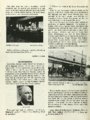
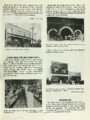
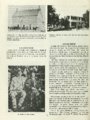
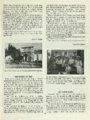
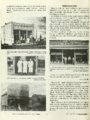
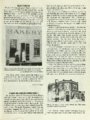
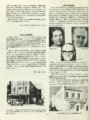
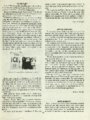
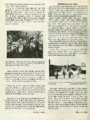
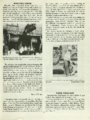
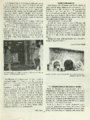
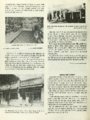
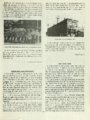
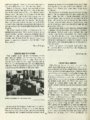
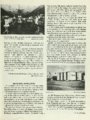
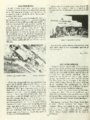
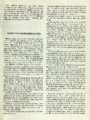
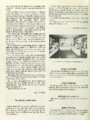
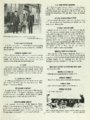
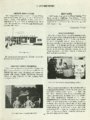
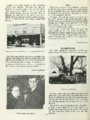
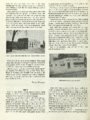
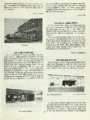
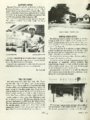
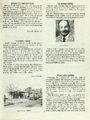
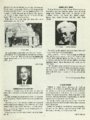
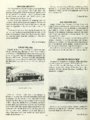
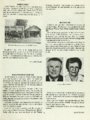
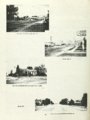
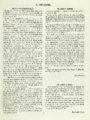
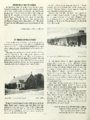
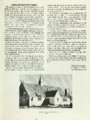
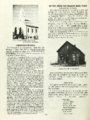
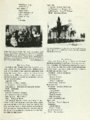
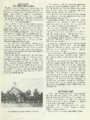
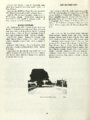
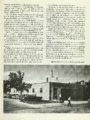
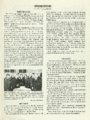
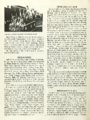
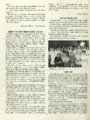
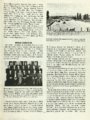
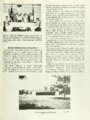
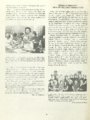
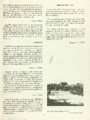
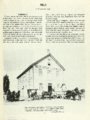
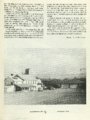
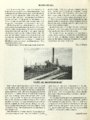
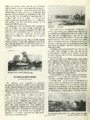
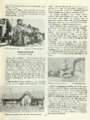
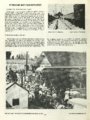
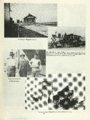
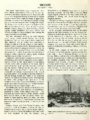
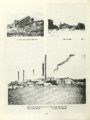
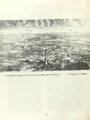
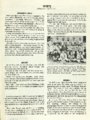
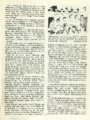
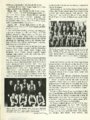
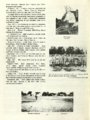
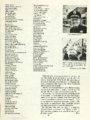
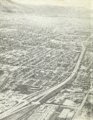
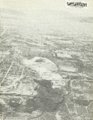
Show SMELTERS by Casper A. Had some United States Army than Colonel (later General) Patrick E. Conner been ordered to establish a military post at Great Salt Lake City in 1862, the pioneer history of what was to become known the Wasatch Front area would be appreciably history of Midvale. During that year, lead ore was discovered in Bingham Canyon. The Jordan claim was located and filed September 17, 1863, in the name of Jordan Silver Mining Company. General Connor, Bishop Archibald Gardner, Samuel Egbert, Henry Beckstead and some officers and soldiers stationed at Camp Douglas were among the twenty-five who filed the claim. The first widespread publicity on Utah's mineral wealth came through General Connor. He said the territory .of Utah was rich in gold, silver, copper and other minerals, and he invited those interested in mining to come to Utah and engage in that industry. as different - as would be the smelter. Construction of the assigned duties. As a result of this encouragement, soldiers discovered other ore bodies in Bingham, Little Cottonwood Canyon, Ophir, Stockton addition was com in - and other , new January 1905, enabling the smelter to handle all of the ore from the company's mines, plus some desired custom ore. In 1906 the United States Mining Company was acquired, along with several other in terests, by United States Smelting, Refining and Mining Company. By the early summer of 1904, there were four smelters of substantial capacity in operation in the Salt Lake Valley two at Bingham Junction and two at Murray. With prevailing winds from north to south and pleted General Connor also directed that the soldiers under his command be allowed to prospect whenever it would not interfere with their Nelson reorganized as the Bingham Consolidated Mining and Smelting Company. By May 1902, it was the third largest copper producer in the state (after Utah Con solidated at Murray and United States Mining at Bingham Junction). United States Mining Company constructed a smelter east of the Jordan River at Bingham Junction (south of and contiguous to the Bingham Consolidated Smelter) to treat copper ores from the company's Bingham and Tintic properties. It went into operation in 1902. As the company's development work at the mines deepened, the characteristics of the ore changed suf ficiently to warrant the addition of a lead section to the Commander other places in Utah the next year. Commercial exploitation of the mines in the Territory of Utah began soon after the completion of the transcon tinental railroad in 1869. Added impetus to the mining industry came with completion of the Utah Central Railroad between Ogden and Salt Lake City in 1870 and the Utah Southern Railroad between Salt Lake City and Sandy, which was completed in 1871. Because of the availability of railroad transportation to the distant smelting centers, several original locators returned in 1870 to develop sizable ore bodies in the Bingham District (Old Jordan and Galena claims). Development of these mines prompted the construction of the Bingham Canyon and Camp Floyd Railway, a narrow gauge road connecting at Sandy with the Utah Southern Railroad, which was completed late in 1873. Two of Midvale's pioneer smelters were built in 1873 at Bingham Junction (now Midvale) on ground later the acquired by United States Mining Company Sheridan Hill Smelter and the Galena Smelter, which reverse, concentrations of sulfur oxide and fume from smelting processes were frequently such that vegetation was severely damaged. Although these smelters were bringing wealth to the communities, the blight produced along the' 'smoke corridor" through the valley brought the farmers and others together in a series of meetings during the fall and winter of 1904-5 the - as the Old Jordan Works. Suc these smelting operations were, they were later became known cessful as destined to be replaced by more modern facilities and improved metallurgical practices by the turn of the century. Bingham Copper and Gold Mining Company con a plant at Bingham Junction in 1900 for smelting sulfide copper ore. A narrow gauge railway, by then called the Copper Belt Railroad, transported the ore from Bingham. In 1901, the company was structed Original 232 Indian 'and Pioneer cemet.ery property. on U.S. Smelting and Refining courtesy Verda and Henry Wahlquist |