| OCR Text |
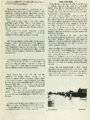
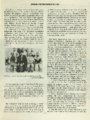
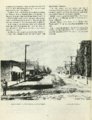
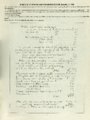
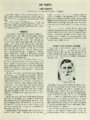
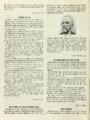
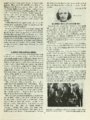
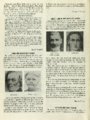
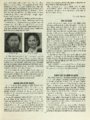
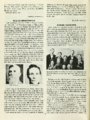
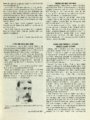
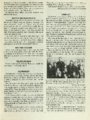
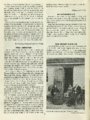
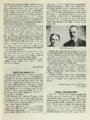
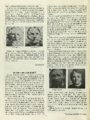
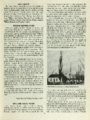
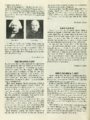
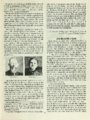
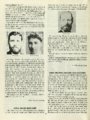
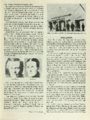
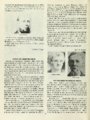
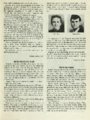
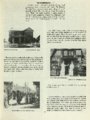
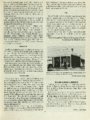
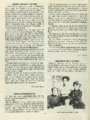
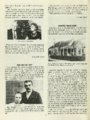
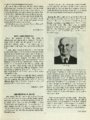
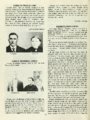
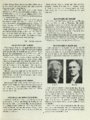
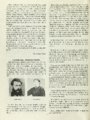
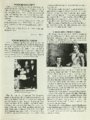
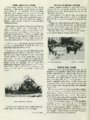
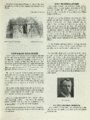
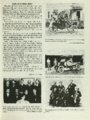
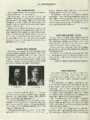
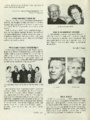
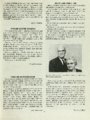
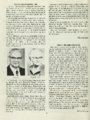
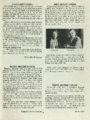
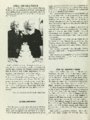
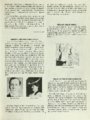
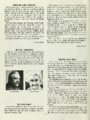
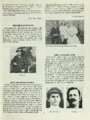
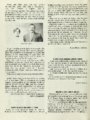
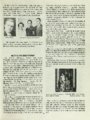
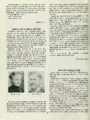
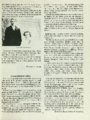
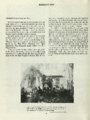
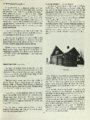
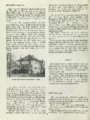
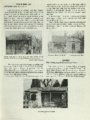
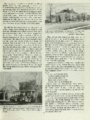
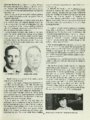
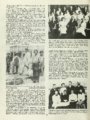
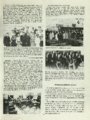
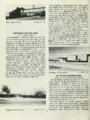
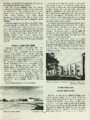
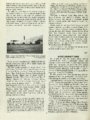
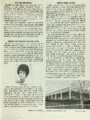
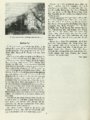
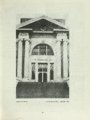
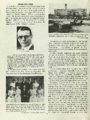
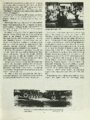
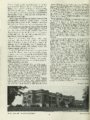
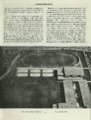
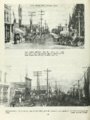
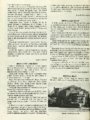
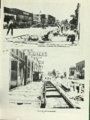
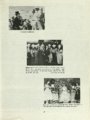
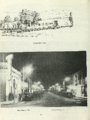
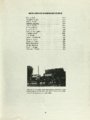
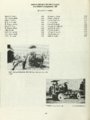
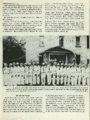
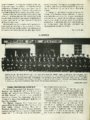
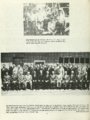
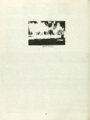
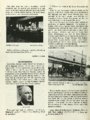
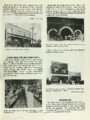
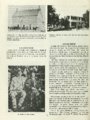
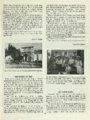
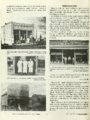
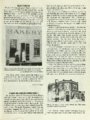
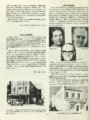
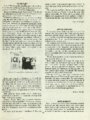
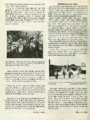
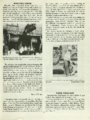
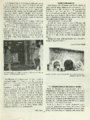
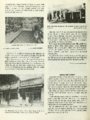
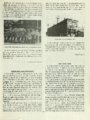
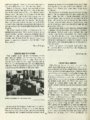
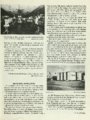
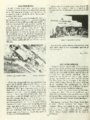
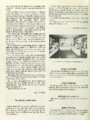
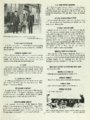
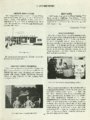
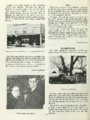
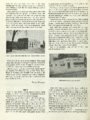
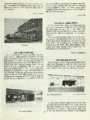
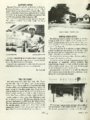
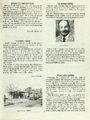
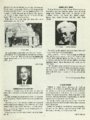
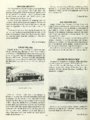
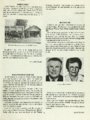
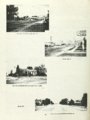
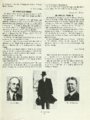
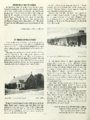
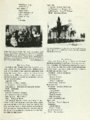
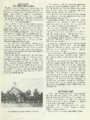
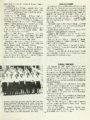
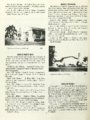
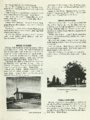
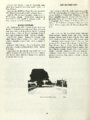
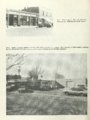
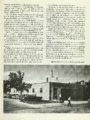
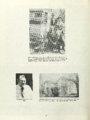
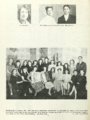
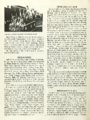
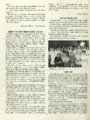
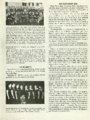
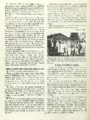
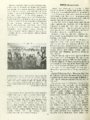
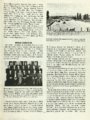
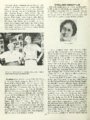
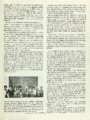
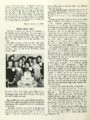
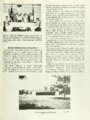
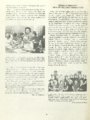
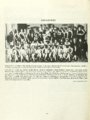
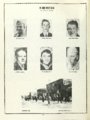
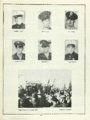
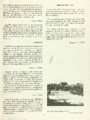
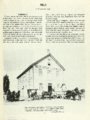
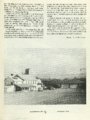
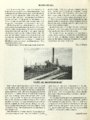
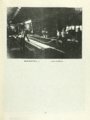
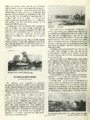
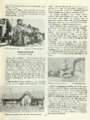
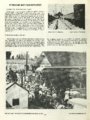
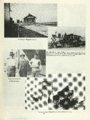
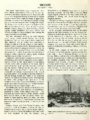
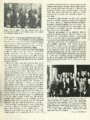
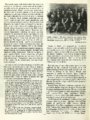
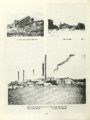
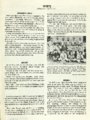
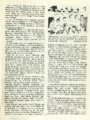
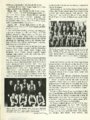
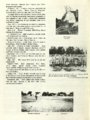
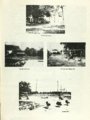
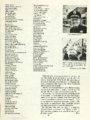
Show anybody, we were just lucky. This was before the sugar factory was built. I remember taking a sandwich to Dad on Saturday and Sunday when he worked on the rip track north of Second Avenue. The rip track was where they brought Track") yard to overhaul the roundhouse to keep moving. repair and the giant cars and a spacious steam locomotives in It was this roundhouse and its relative aids that made all the railroading possible. The railroad roundhouse was a large circular all the cars to be repaired. building with tracks locomotives leading inside where the steam housed. An efficient staff of roustabouts greased, oiled, sanded, repaired and shined those giant monsters. The roundhouse was located were where the mineral fertilizer building now stands. special names: passenger trains locomotives were simply "passenger engines." They were more highly geared for speed; "switch engines" moved trains locally in railroad yards, smelters, mills and cities; "malleys" pulled heavy loads cross country. The "shay engines," side piston pumpers, were small but powerful to climbing up to the Steam locomotives had mines in Alta. Probably more interesting than the steam locomotives were the roustabouts who kept them rolling. Proud of their task, they loved to boast of their D & R G workmen, 1910. prowess. Typical was Joe who said, "Dad blast it man, I'm the guy what can make these old malleys rare up on their hind wheels and pull forty loaded cars all the way up to Welby on one shovelin' of coal without blowin' off courtesy Mr and Mrs Lorin Jenkins THE OLD ROUNDHOUSE by Harry S. Wright steam." Many will find it difficult to realize that Midvale was once an important railroad center for a vast movement of trains thundering south to central Utah, southeast to Colorado and north to Salt Lake City and beyond. Most important to Midvale were the trains west to the mines Bingham, Lark, Magna, Garfield and Tooele; east to the wild and wooley mining town of Alta and the granite quarry at the mouth of Little Cottonwood Canyon. Equally important was the daily service to the Midvale smelter, the concentrator, Childer's Leeching Mill, the steel mill and the stone plant. To handle this booming business we had a railroad terminal with its repair track (known as "The Rip and mills at Working . snow train from Welby. courtesy Frances Hand South of the roundhouse stood the old wooden water tank and sand house. "Hobos" used it as a hotel. They would gather around the big sand dryer stove or sprawl on the dried sand and boast about their travels and conquests. They knew where a handout could be had, where the vicious dogs and mean old ladies were and stayed clear of "Blue Beard," the tough cop with a black moustache and a big cowboy hat. "Don't stir 'im up. He's quick on the draw and got a dead eye." During the years of the depression the quantity and the quality of these knights of the road changed. Many unfortunate men took to the road hoping to find better luck and a job in a different area. The old roundhouse was a landmark and symbol of Midvale in the days of Midvale Railroad Station, 1930, elev. 4365, 730 miles to Denver. the railroad brotherhood. 227 |