| OCR Text |
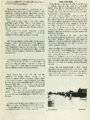
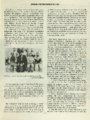
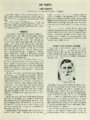
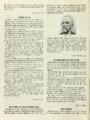
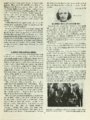
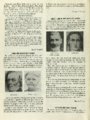
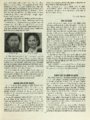
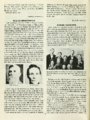
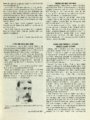
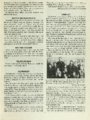
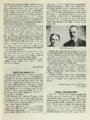
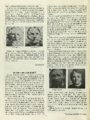
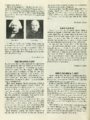
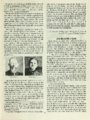
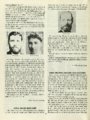
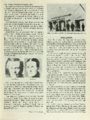
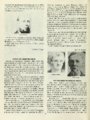
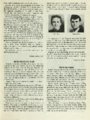
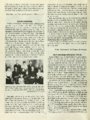
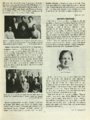
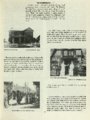
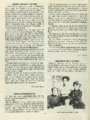
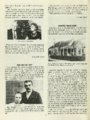
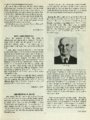
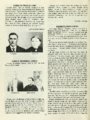
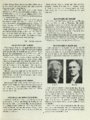
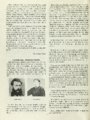
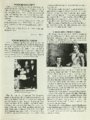
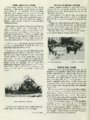
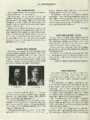
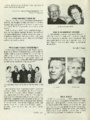
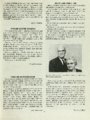
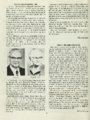
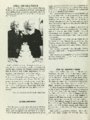
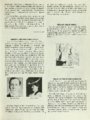
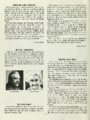
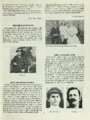
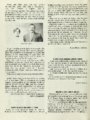
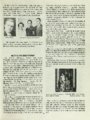
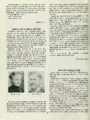
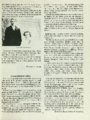
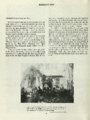
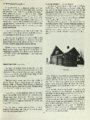
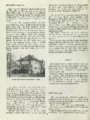
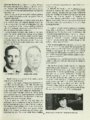
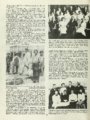
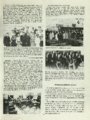
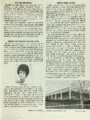
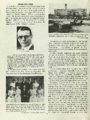
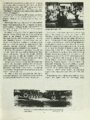
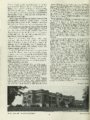
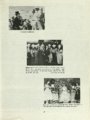
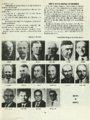
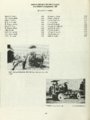
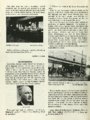
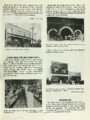
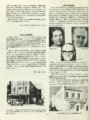
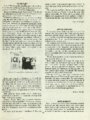
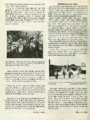
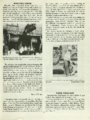
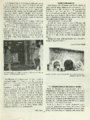
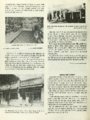
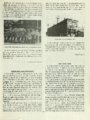
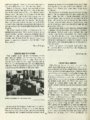
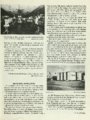
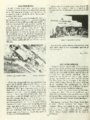
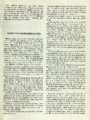
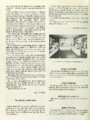
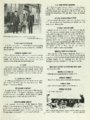
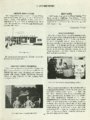
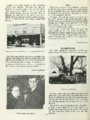
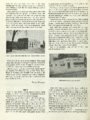
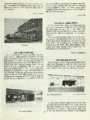
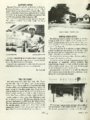
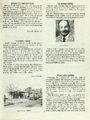
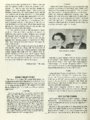
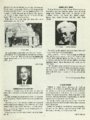
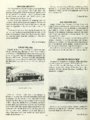
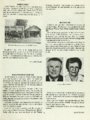
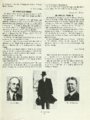
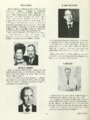
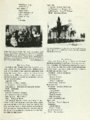
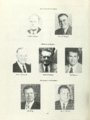
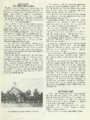
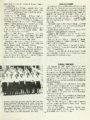
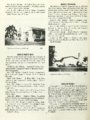
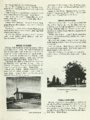
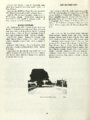
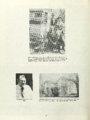
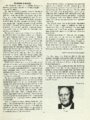
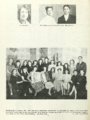
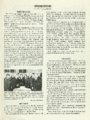
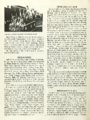
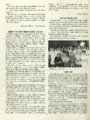
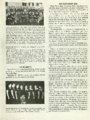
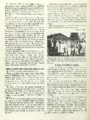
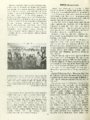
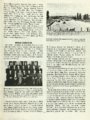
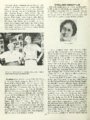
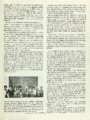
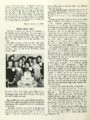
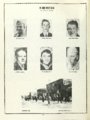
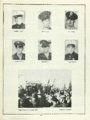
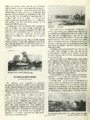
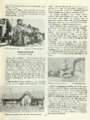
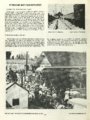
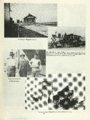
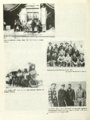
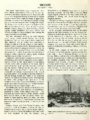
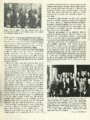
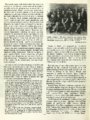
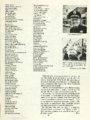
Show GEORGE AND PRISCILLA H. HUNT George Hunt, born George and Hannah were the parents of twelve Lillian, George D., Annie, Esther, Elton LeRoy, Albert D., Eva, Melvin C., Vance R. and Elizabeth who died shortly after birth. Hannah Jane was crippled after the birth of her last child and con fined to a wheelchair, but this did not stop her from helping when needed. children: Yeovil, England in 1846, married Priscilla Hill. They had thirteen children, six died in infancy. They were converted to the LDS Church and emigrated to Utah. Their eldest sons, Albert and Charles had come in to Utah earlier and worked big sheep herds. They bought Their children were: a Albert on some farm south of Midvale. (m. Florence . Cook); Melvin C. Jenkins Charles (m, Ann Pehrson); Marinda (rn. Albert later Howard Price); Isabella (m. Edward Holt, Payne); Adora (m. Thomas Ostler, later Ernest Jorgenson). WASHINGTON BARNES' JENKINS Washington Barnes (Washie) Jenkins was born in Bingham Junction (Midvale) in 1887, the tenth child of Ralph and Emma Jenkins. Washie worked with his LaPreal Hunt Johnson father until he went to the mines at Lark in 1905. In 1907, came back to Midvale and worked on the farm with he his brother Horace. Washie married Eddley Charter in 1911. Washie and Horace worked together on the farm until 1928, when Horace moved to LePage Street where he raised chickens. Washie and Eddley raised six children this farm Willard, Edith, Donald, Aaron, Orren and Doris. At one time Washie was farming 100 acres of irrigated land. Many local boys thinned beets for "Un on George Priscilla Hunt Hunt - cle Washie." He raised grain, hay, beets, potatoes, onions, melons and had a vegetable garden. Sugar beets hauled by team and wagon to the beet dump on Sugar Street (7200 South). The beets were dug by horse drawn pullers and the helpers would hand lift them out were GEORGE B. AND HANNAH [. JENKINS George Benjamin Jenkins, born in 1876, married Hannah Jane Lloyd. of the dirt. A knife with a hook on the end was used to cut tops off and then they were thrown in piles. Loaders would come along with short handled, wide the beet tined. forks and throw them up on the horse drawn wagon. Threshing time was hard work, but exciting. The grain was cut by a horse drawn harvester, tied on the side and hired helpers along and stood the grain on end, "shocking the grain." Everything was done by hand. Clarence War dle, who once owned the farm, came with his mechanical thresher and separated the grain from the bundles would fall out came straw. This straw was used to fill the bed ticks each year. George Jenkins George was a Threshing time meant lots of work for the women who cooking for the hired help and the men on the machine, thus the expression "cooking for threshers." There were about 20 to 30 people for two meals a day. Happy memories of farm life centered around long winter evenings around the "pot bellied" stove. Washie would read by the kerosene lamp light and we would pop corn, make candy and have an assortment of home grown apples out of the cellar. He enjoyed good books, Hannah Jenkins brakeman for the D & R did the G; while em ployed there he ran the train through a switch to prevent it from running into the river. In so doing, the train cut off his right leg. He called his wife from the hospital and told her he would be "a little late" because he had smashed his feet. When he was fitted with a drayman and hauled freight with horse and buggy from the depot to the stores. wooden leg he became a 48 could remember what he read and was able to tell us many things about Utah history. In the spring all the share holders of water stock had to help clean the |