| OCR Text |
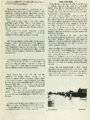
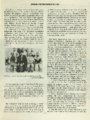
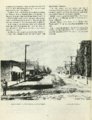
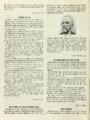
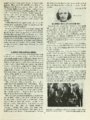
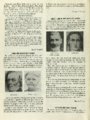
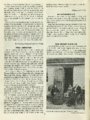
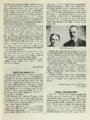
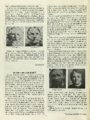
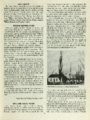
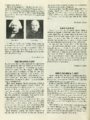
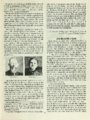
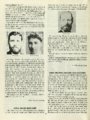
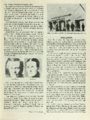
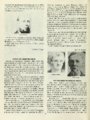
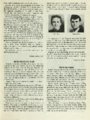
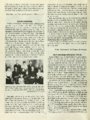
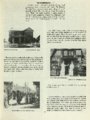
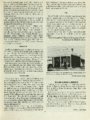
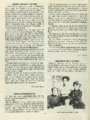
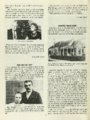
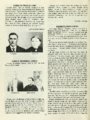
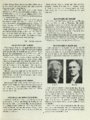
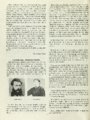
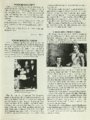
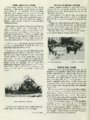
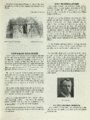
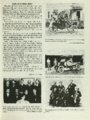
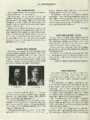
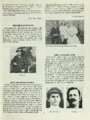
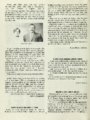
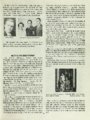
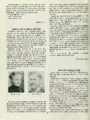
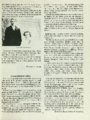
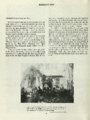
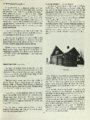
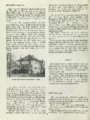
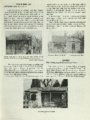
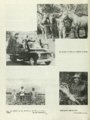
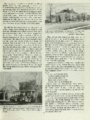
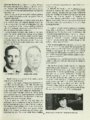
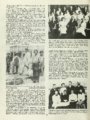
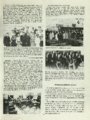
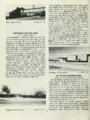
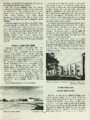
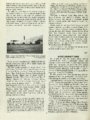
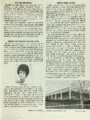
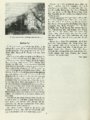
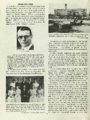
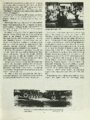
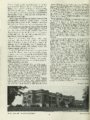
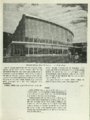
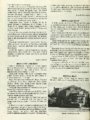
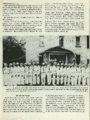
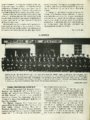
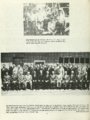
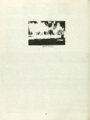
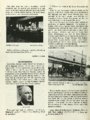
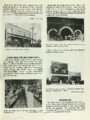
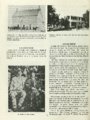
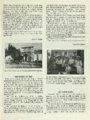
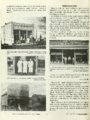
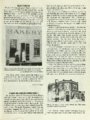
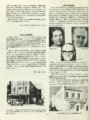
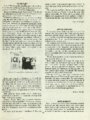
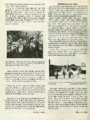
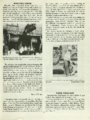
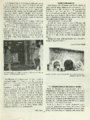
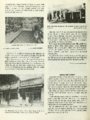
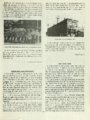
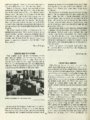
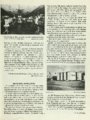
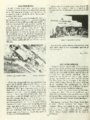
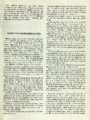
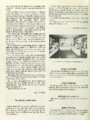
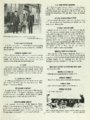
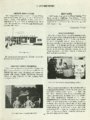
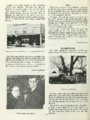
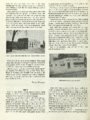
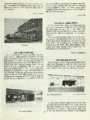
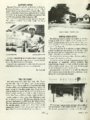
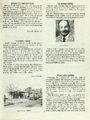
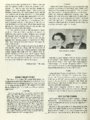
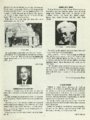
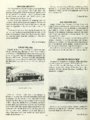
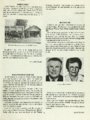
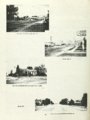
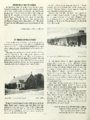
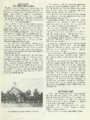
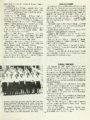
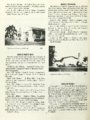
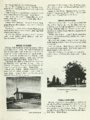
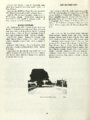
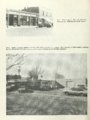
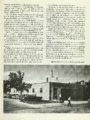
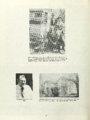
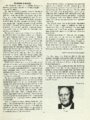
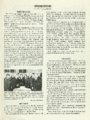
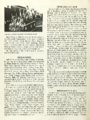
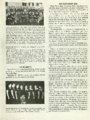
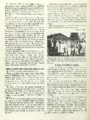
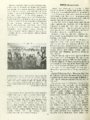
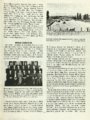
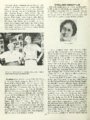
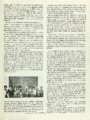
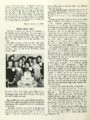
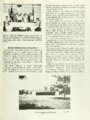
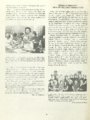
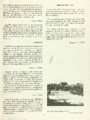
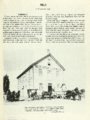
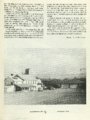
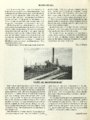
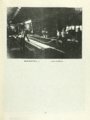
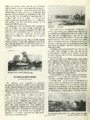
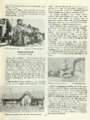
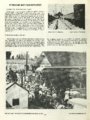
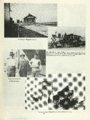
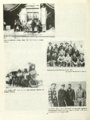
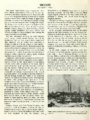
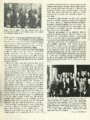
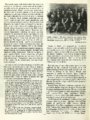
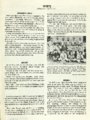
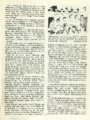
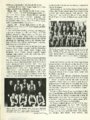
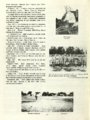
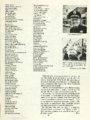
Show THEIR WORK I. EARLY BUSINESSES by Vella C. Jones faced east with were The first business of life is to survive. After shelters built, crops planted and schools established, settlers began to barter and trade for what they needed. of stout posts animals were The earliest corner. occupation was farming. They raised cattle, sheep, poultry, and planted grains, vegetables, fruits, berries and everything an industrious people needed to get along. The first canal they dug was to furnish water for the mills on the Jordan River; later they dug canals to bring water for their farms. Then they could move back All kinds of jobs were brought to the blacksmith, broken stove lids or tools. Anything that could be mended had to be saved. When the Utah Southern Railroad (0 S L) began operation, blacksmiths were given work making wooden switches and repairing cars. Dressing the millstones was an interesting form of labor. As the fine grooves made in the stones wore off, they had to be deepended. from the river to the farm land. Archibald Gardner was sent by Brigham Young to establish a flour mill on the Jordan River around present 7500 South. Frederick A. Cooper was a miller for him. Cooper later opened a small store and had the first post office nearby on the west side of the river. He sold out to Gardner and built a large building (now the Rosse Apartments) east of the river. Here he had his new store and the post office. Isaac Goff and Ben Cutler opened general merchandise stores and Annie Cutler had a millinery shop at home. Early settlers included every kind which made for For years the millstones from American Fork were regularly sent to West Jordan (Midvale) to be dressed. The smith It shop in this area was operated a Archibald Gardner and Alexander Beckstead, built a near the Jordan River. Some of the horses shod were wild and difficult to handle. They were caught and tamed from herds that roamed the range. The blacksmith charged $4 to shoe a horse and more to make shoes and apply them to an ox. In those days the shop usually paid in food or produce. shop was burned by a jealous arsonist and the partnership dissolved. James Glover built his own shop on the corner of Center and Allen Streets, in Bingham Junction. His tools were a vise, an anvil, tongs of various sizes, bellows, hammers, chisels and pliers. An occasional trip by wagon to the big city for nails, steel and patterns took a whole day. John Larson, an immigrant from Scandinavia, fee was This opened a shop near what is now Midvale Junction. Mr. x 20' with a slab roof. The building Glover's shop was 16' was called BLINN'S SALOON saloon, but Paul and a Anna Blinn's place was more than that. Located west of the D & RG depot on Center Street, it was a dispenser of warmth, food and cheer. The owners were of German descent; Anna was a capable, strong person, a good cook with a warm, sympathetic nature. She wore high buttoned shoes, combed her hair into a large bun in back and were long dresses with a long white apron tied around her waist. Two large St. Bernard dogs were always on the premises and Anna kept an orderly atmosphere. Ella Clark remembers the large candy case full of penny candy in the front of the tavern. As children, she and her friends would peek in to see who was tending bar. "If Pa Blinn was there, we didn't go in. He would just give us our nickel's worth, but Ma Blinn would give us a whole sack of candy for a nickel." Inthe back, a large oilcloth covered table stood ready to accomodate any customer with a hearty meal of self-reliant community. Mr. Christensen, just east of the D & R G. In 1970, James Glover, a blacksmith and wheelwright, with by the master wheels of the old Melissa Bateman Glover BLACKSMITHING The first blacksmith repaired threshers; they were expensive and difficult to secure. artisans and craftsmen of a large double doors. Inside stood a couple rings attached to which the tied. The forge was in the southwest with iron soup, stew or a roast beef sandwich. Whatever the menu for that day was the price was 35<:. Gene Phelps - recalls the railroad men coming from the depot on their stops between trains, the travelers and the tramps all going into Blinn's. Jimmy Lane was one of the bar tendThe proprieters would not tolerate rowdiness. A loaded revolver beneath 'the bar was cooly,leveled at anyone who was out of line with a terse, "Beat it!" by ers. 125 Anna or Paul. |