| OCR Text |
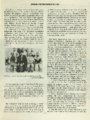
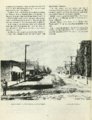
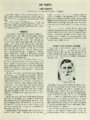
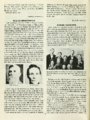
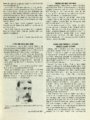
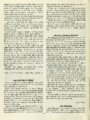
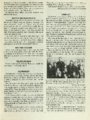
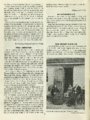
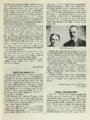
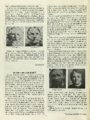
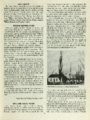
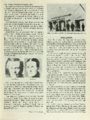
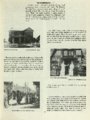
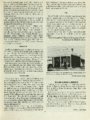
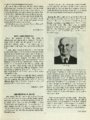
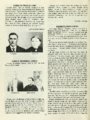
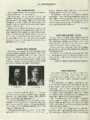
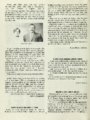
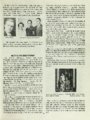
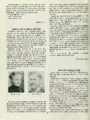
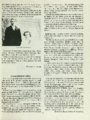
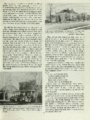
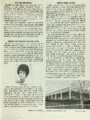
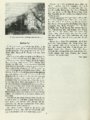
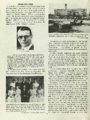
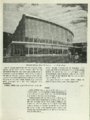
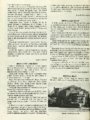
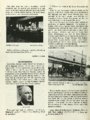
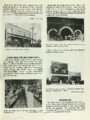
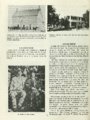
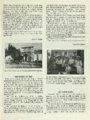
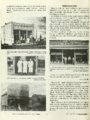
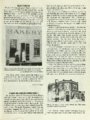
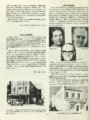
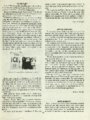
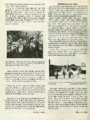
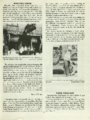
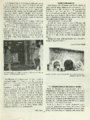
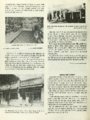
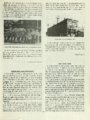
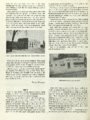
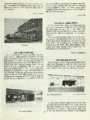
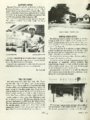
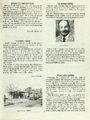
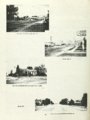
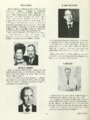
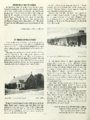
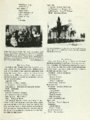
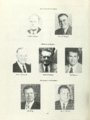
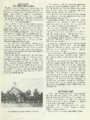
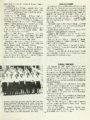
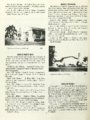
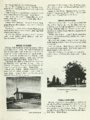
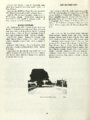
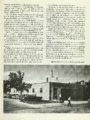
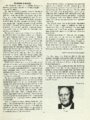
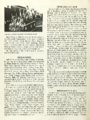
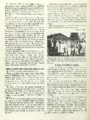
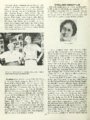
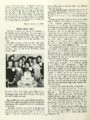
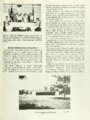
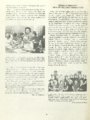
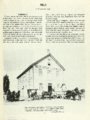
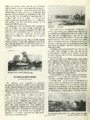
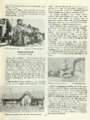
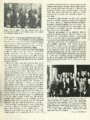
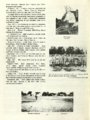
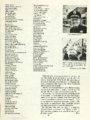
Show · the first necessities." She married Oscar Winters in 1852. Their wedding meal at Deer Creek was bread baked on juice in ordinary pans. It was then boiled in vats especially made for the purpose. Because it must boil briskly day and night to produce the thick molasses, brushwood was required to keep the fire going. All the people who raised sugar cane brought it to Pate to make a dutch oven skillet, a into molasses. For his pay he would take a share of the molasses which he would trade to others for the Much fruit was dried in the was taken by SEASONS and a a lump of fresh the pioneers were for space to carry their precious possessions across the plains, each found a place for such a cherished possession as a book. Books were prized, read and re-read, loaned and borrowed un til they were nearly worn out. As they worked in the fields, they thought over the stories they had read by candlelight and tried to think of means to promote education and the love for learning. Their books were not only religious books, but also the biographies. of great men and the works of great early days. Often a sack of buy an article of merchants to clothing. Some of the fruit merchants in our area Hyrum Goff, Ben Cutler and Fred Cooper. The BIBLE, a volume entitled TIMES meat, Books Pressed necessities of life. fruit of piece butter and a cup of cold water. were AND bound volume of the MILLENNIAL STAR constituted the first library. Later, through the mail, the residents received a few eastern newspapers, the "New York Ledger," the "Family Herald" and a magazine called "Saturday Night." Annie Perry Greenwood and Esther Sharp Young recalled that after they had read and reread these papers, they sold them for a good price to the stores in West Jordan (Midvale) as writers. Some material from "Tales of a with Triumphant People" permission of Kate B. Carter to wrap their merchandise. Irrigation Canals In 1880 irrigation canal was dug to bring water to point of the mountain and ran north through the farms to Salt Lake City. Each man through whose property it ran was hired to help dig the canal. Charles Sharp and son Geroge T. Sharp; John Sharp and sons, John G. and Charlie; Thomas Foster Greenwood Sr.; Charlie Cole and others helped dig it. For many years there were only three families be tween Salt Lake City and Dry Creek (now Crescent). Ebenezer Thayne lived on the west side of State Street. Charles Sharp located on the west side of State Street an the farms. It started at the north of the creek. Daniel Jones settled of State Street near 7500 South. on the east side One of first stores in south Salt Lake and Clarissa Arnold, County, owned by operQted by Hyrum DO OR DO WITHOUT courtesy Carol G. Kemp hard; money, food and clothing were scarce. Clothing had to be produced, spun and woven at home or hauled across the plains by teams. Sarah Jones had enough cloth for a cotton skirt. Ann Sharp had enough cloth for a tight-fitting basque (blouse). Sarah was tall and Ann was a little heavier, but each half of Times were the dress was made so either could wear NEIL AND BLANCHE B. ANDERSON Neil, born in married in 1894. it. If Mrs. Neil worked in for a few years and then slag from the San dy slag dump to help build the roads. He was road supervisor and water master for Midvale City, working until he was seventy-five years of age. Ann had the wash tub. Each shared with the other He and his wife joys and were tee. Their children active Neil on the Old Folks Commit Earl, Lucille and two who died in infancy. describing her wedding dress said: "I wore a green gingham dress to be married in and my husband gave me some money to buy our few Mary Bingham returned to Midvale. Here he hauled If Mrs. Sharp went to a meeting she borrowed Mrs. Jones' skirt. They also did their laundry through borrowing and lending. Sarah had a washboard and the basque. for several years. They shared each others sorrows like true sisters. of Niels and Hannah P. Anderson, was born Fairview, Utah. Blanche Alberta Bishop was 1875 in South Cottonwood, Utah. They were son in 1867 in Jones went to the' city she borrowed Mrs. Sharp's irons, Isaac Goff Goff. Ann Stearns in were Leo Elmer, Mabel Louise B. Anderson 43 |