| OCR Text |
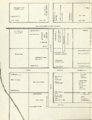
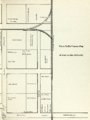
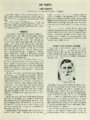
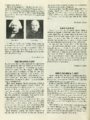
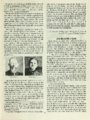
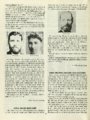
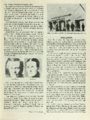
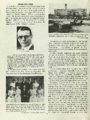
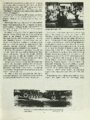
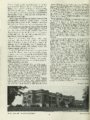
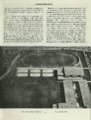
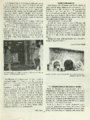
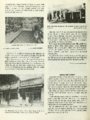
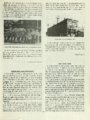
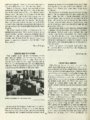
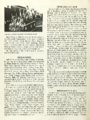
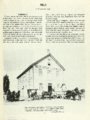
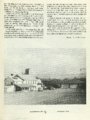
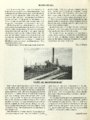
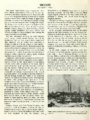
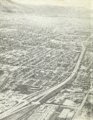
Show INTRODUCTION A story of ordinary people, but people of extra ordinary determination and will. A touching story of some who began by living in shelters dug in the banks of the Jordan River where in caves their some Gosiute Indians had dwelt before them. This story is but the skeleton of almost super-human efforts to wrest a physical, living from an uncompromising land. This is our homage to those who brought water from the mountains by sheer back-breaking force; those who planted trees they would never rest under; those who planned schools they would not attend; those who finally built a community where they would raise fine families who remember and honor them. It is not with maudlin sentiment that we think appreciation and an responsibility to others. them, but with deep acceptance of of our own succeeded is shown by the many successful people who have roots in Midvale. While they were limited in what they could bring west in the wagons or carts, in every vehicle that entered the valley there was a large measure of grit and deter mination. Like Topsy, might say that Midvale "jest brave little settlement of crude banks of the Jordan River it finally some growed!" From dugouts on both a grew eastward when men finished digging the canals that brought water from Big Cottonwood Canyon through Fort Union. It was never an ordained com munity like some chartered towns, but was settled by came to the valley and wanted more acreage city lots prescribed in Salt Lake City. Those were limited to moderate lots in town with five, ten or twenty acre lots a little further out. In UTAH, A CEN those who than the pioneer trek to Utah does not need retelling, but story of the people who settled in this valley, fed by the Wasatch range and terraced by reminders of the great body of water man called "Lake Bonneville," is unique and should be recorded for posterity. The the This book briefly tells the story and later residents who settled midway the of the on early pioneers the Jordan River between the Great Salt Lake and the Point of Mountain. contributions The in personal response to stories our are many voluntary published requests for material. In editing them for space availability, we have tried to leave them in the writers' words much possible. The Historical Society has spent much time in checking the accuracy of dates and information. We appreciate those who have read and checked old minute as TENNIAL HISTORY, Wain Sutton says, " ... some valley began as a search for pasturage for a portion of the 5,000 head of cattle brought to the Great Basin by the first pioneers." Mormon land policy before 1869 held that people should have no more land than they could farm. The pioneer paid the expense of recording and surveying the land $1 with a 50 cent fee for the clerk. An act passed by the territorial government required that all private towns in Salt Lake - claims should be fenced in. This limited the size of the ingenious "mud fence" farms and resulted in the related in a pioneer story. as books and records for this book. Our first settlers, like most pioneers, included ar tisans and craftsmen of every kind. This made them very self-sufficient people. a people homesteaded large tracts and permitted on their homestead. They were called "squatters." After five years they acquired the deed to Some others to live Early Midvale settlers came across the oceans from Denmark, Scandinavia, the British Isles, Greece, Serbia, Japan, Scotland, China and other places. They came to farm, to mine, to build, to raise livestock and to work in the smelters. They built schools, churches and communities. They asked for no subsidies, no government handouts. With resolution they turned their backs upon the comforts of the old life. Most of them came with empty pockets, but hearts filled with determination to conquer this arid country, to educate their children and give them a better life. That they the land. The first families who had homesteads in the near the present Main and Center were: Ben Cutler, Alex Dahl, Josiah Arnold, William Bennett, Royal Cutler and Jacob Malstrom. Brigham Young had asked Archibald Gardner to establish a grist mill on the Jordan River in 1851. A two and a half mile long canal was dug from the river to area power the mill west of the river. Delila Gardner said a fish trap was built into the mill race which provided some food. |