| OCR Text |
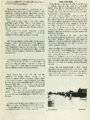
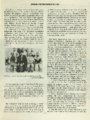
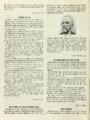
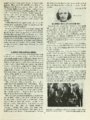
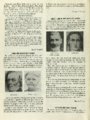
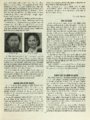
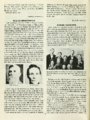
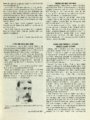
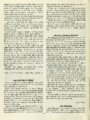
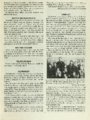
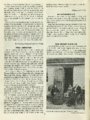
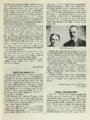
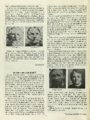
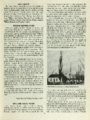
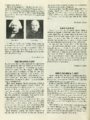
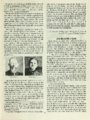
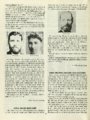
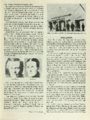
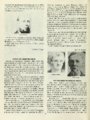
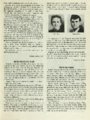
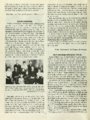
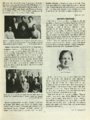
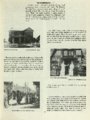
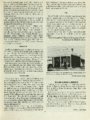
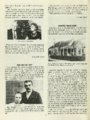
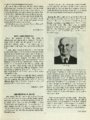
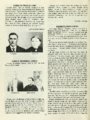
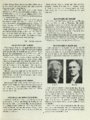
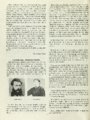
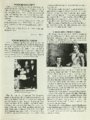
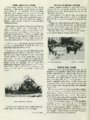
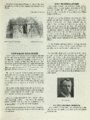
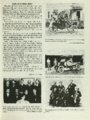
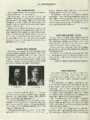
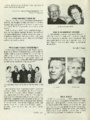
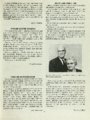
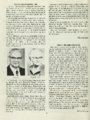
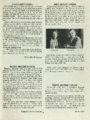
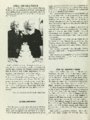
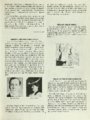
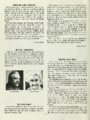
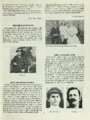
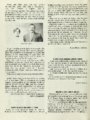
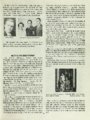
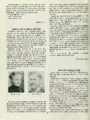
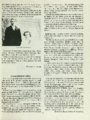
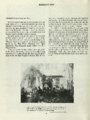
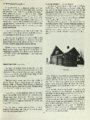
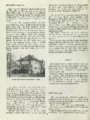
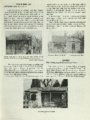
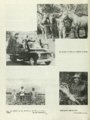
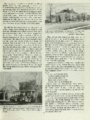
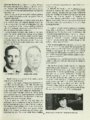
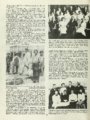
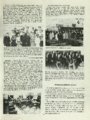
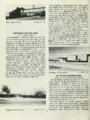
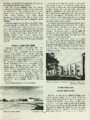
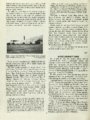
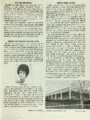
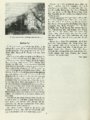
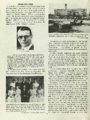
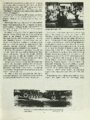
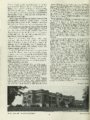
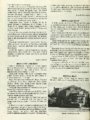
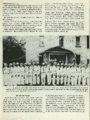
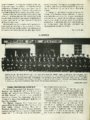
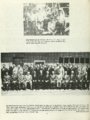
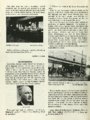
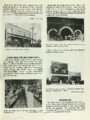
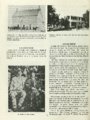
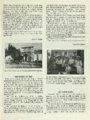
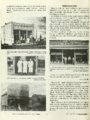
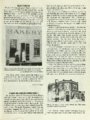
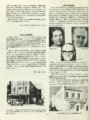
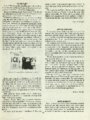
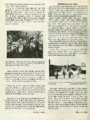
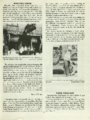
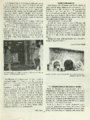
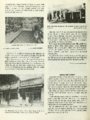
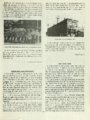
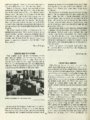
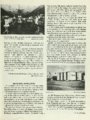
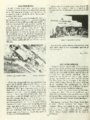
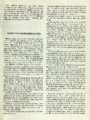
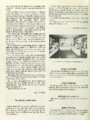
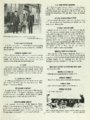
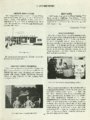
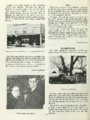
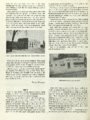
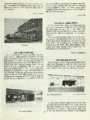
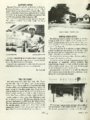
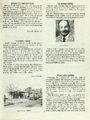
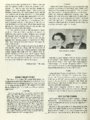
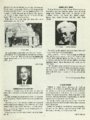
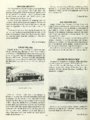
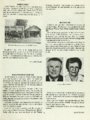
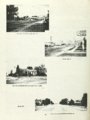
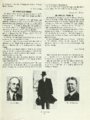
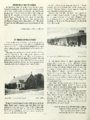
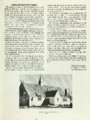
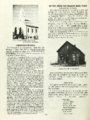
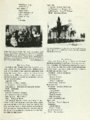
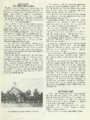
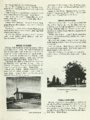
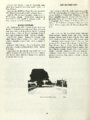
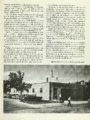
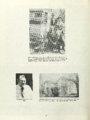
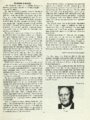
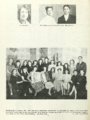
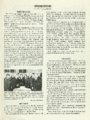
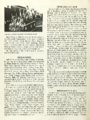
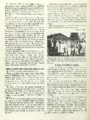
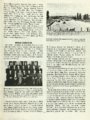
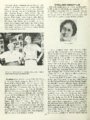
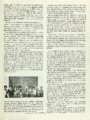
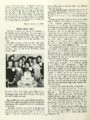
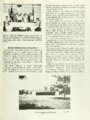
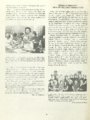
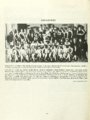
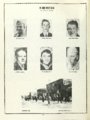
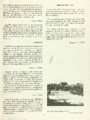
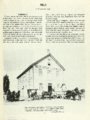
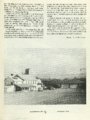
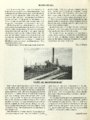
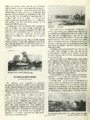
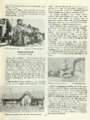
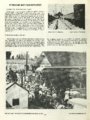
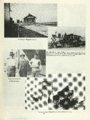
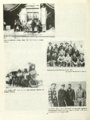
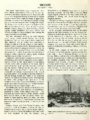
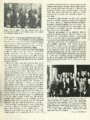
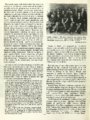
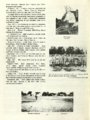
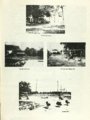
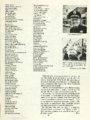
Show "IN THE BEGINNING For many years there newspapers were was a " ... scarcity of paper and treasured and traded. The Deseret Evening News was a one sheet paper about 12" x 15" printed on both sides. It sold for twenty-five cents a copy. Those who could purchase a paper passed, it around to their neighbors; when it was returned it was traded to the store for chants used it for a small value in trade. The wrapping paper or mer resold it for ten cents. Ann Malin Sharp made quilts for Walker's Store in Salt Lake. She traded finished quilts for material to make more quilts. When she had enough quilts made she traded them for two plain wooden chairs. These the first chairs she owned after coming, to Utah. Charles Sharp traded a week's labor for two chairs were made by a carpenter. 1905 Hyrum Goff heme, courtesy Ca,rol G. Kemp The coming of the railroad brought many things to the pioneers who had been forced to leave the amenities of life behind when they came to Utah. A peddler bought a shipment of clocks, loaded them into his wagon and started selling them to the settlers. He drove south to Sharp's feed yard and exchanged a clock for his board and horse feed. Those who could buy or trade were delighted to get the others. Mose Garf and Alma Pearson. courtesy Lucile Pearson Larson After a poor year's harvest in 1863 flour for $25 a hundred. was selling ground-cherry was a weed that grew in cultivated gardens. After grain was harvested, women and children went in the fields and picked the pods from the ground-cherry. Pods were opened to' remove the, ripe berry which was used as preserves when cooked with molasses or honey. The berry could also be used as substitute raisins when they were sun dried. Stores traded for them since they were always in demand. The fields and Andrew Mineer's vine covered co,ttage. 41 |