| OCR Text |
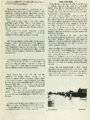
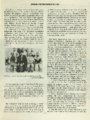
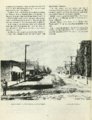
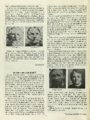
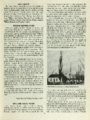
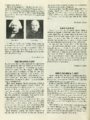
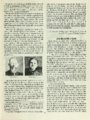
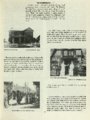
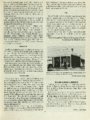
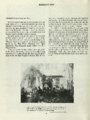
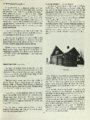
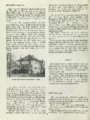
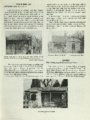
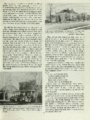
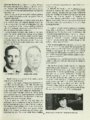
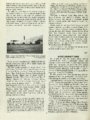
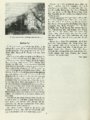
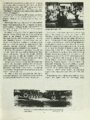
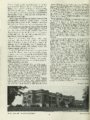
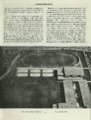
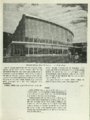
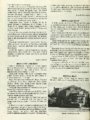
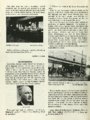
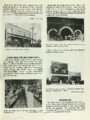
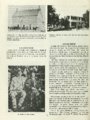
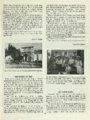
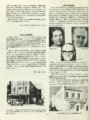
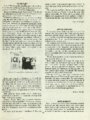
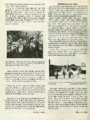
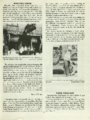
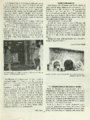
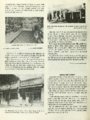
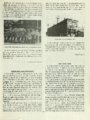
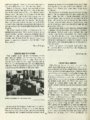
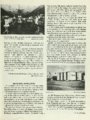
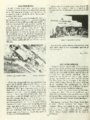
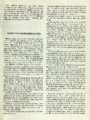
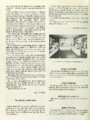
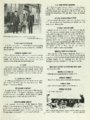
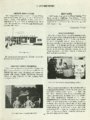
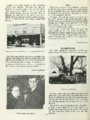
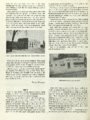
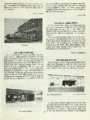
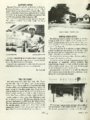
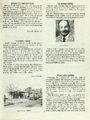
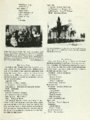
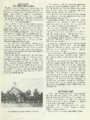
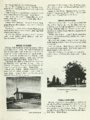
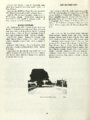
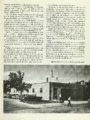
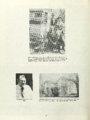
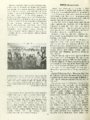
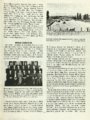
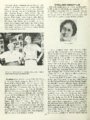
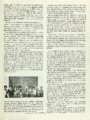
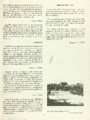
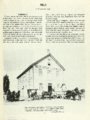
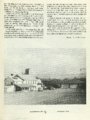
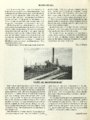
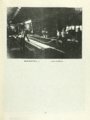
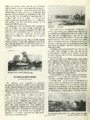
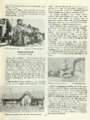
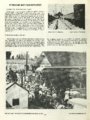
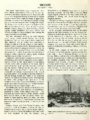
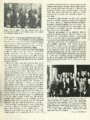
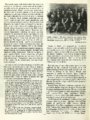
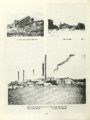
Show WESTERN STEEL MILL in small steel cribs for easy dumping into the blast furnaces, was by D & RG flat cars to the mill over an old wood trestle. The scrap metal, melted in a huge placed A steel processing plant, using scrap metal as its of material, was established in 1914, west of the present north Main underpass, on the site now oc Kaibab Industries. Their scrap metal yard, cuped by known as "the junk yard," was located east of the un derpass and north of the homes on 8th avenue. L. A. Porter, former mayor of Midvale, was manager of the scrap yard; his daughter, LaVina was office secretary. The first iron bar was rolled September, 1915. Their early efforts were simply making iron bars from scrap. In 1917, a forty ton open-hearth furnace was built and a twenty-two inch mill was built to roll ingots from the hearth into billets suitable for the finishing mills. The sand bottom heating furnace was torn down in 1920 and a continuous heating furnace was built using fuel oil in place of coal. At that time the company manufactured 400 different sizes and shapes, including mine rail. They made six grades of steel. Transportation of the cut-up scrap metal, which was basic source blast furnace until it became a red-hot molten liquid, poured into clay molds to make bars about 4" x 6" x 10'. These were moved to the roller mill located on high ground, heated to a red glow, then run thrugh the mill presses into long reinforcing bars for construction uses was or into thin steel metal sheets. interesting part of the blast furnace function, as by old timers, was tapping the furnace of its molten steel: sparks flew like exploding fireworks. The red-hot furnace was prepared by shoveling in An told crushed dolomite to form the basin for the melted scrap steel. To face the blazing furnace's open door and shovel in the dolomite brought inexperienced laborers to their knees and tears to their eyes. Harry S. Wright THE STEEL MILL AND OTHER BUSINESSES John Carlson, superintendent at the Steel Mill, owned large white house on the east corner (now a duplex) across the street from Chapel Street and the school. The came Rosenblatts from Salt Lake were the principals behind the steel mill. Tommy Wenner, who married a Midvale girl, .was in charge. Some steel workers were: Grey, Carl Lambert; Oc Olson, Roy Steadman, Claud Frank Porter, Bill Steadman and Fred Rabass. Fred Hoskis handled the heater till it got to temperature and the molten chased was a mountain of silica here. raw materials from the Uintah Basin: Gilsonite paint and ink. The U.S. Rock Wool and Worsolite for out of the furnace dropped through the rolls. machineshop workers were: Billy Mutch, Alvin The clerk was Bill Oman, a Hyrum Stagg. shipping very dapper man. After the steel mill closed in the 30'S, it was opened for the manufacture of glass. The glass makers said they because there making machines were under tight patent and it was impossible to get a glass machine, so all they were able to make were the pressed glass dishes like they' gave away at theaters and Mountain Mason fruit jars. It eventually closed. The building was then used by a corporation who pur Glass a Company started in business there in the 40's and later Planing Mill opened there, but the state high way department bought them out. They in turn sold the building to the Kaibab Lumber Company. Some Welch's and Arnold Francom 222 |