| OCR Text |
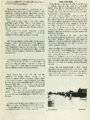
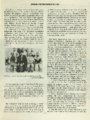
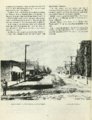
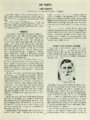
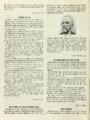
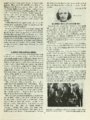
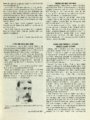
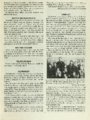
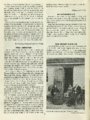
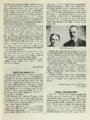
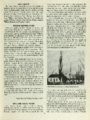
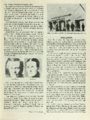
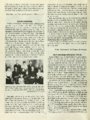
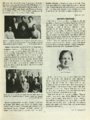
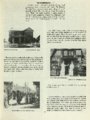
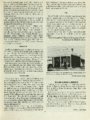
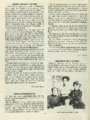
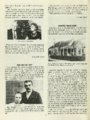
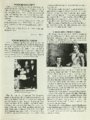
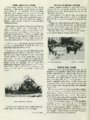
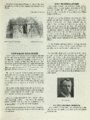
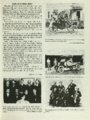
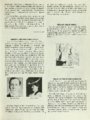
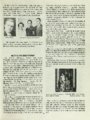
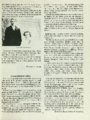
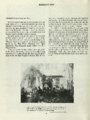
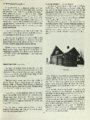
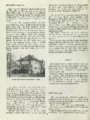
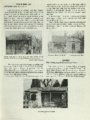
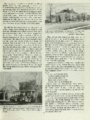
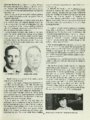
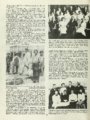
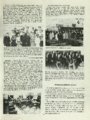
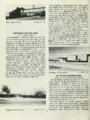
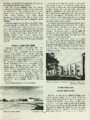
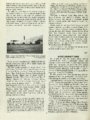
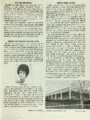
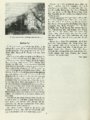
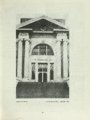
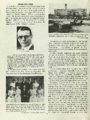
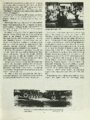
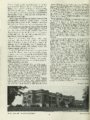
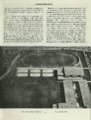
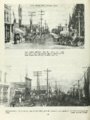
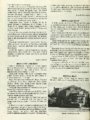
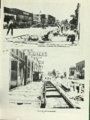
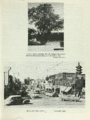
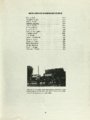
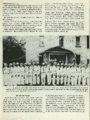
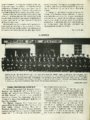
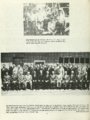
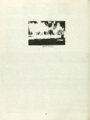
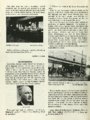
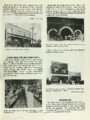
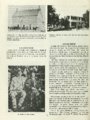
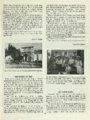
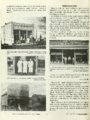
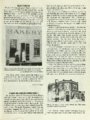
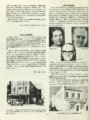
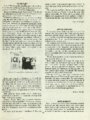
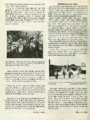
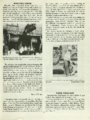
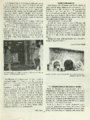
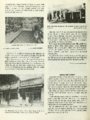
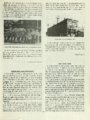
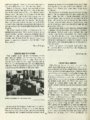
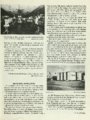
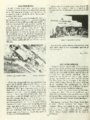
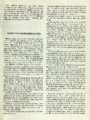
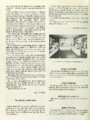
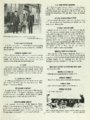
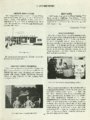
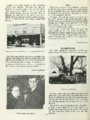
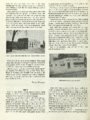
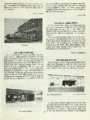
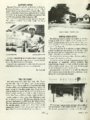
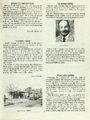
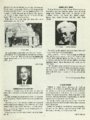
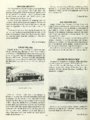
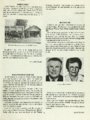
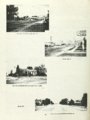
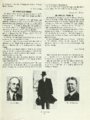
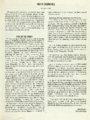
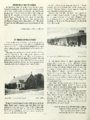
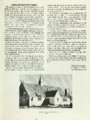
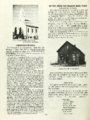
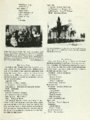
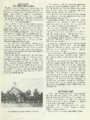
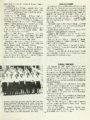
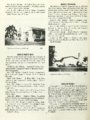
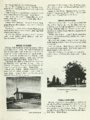
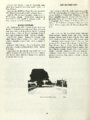
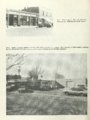
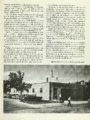
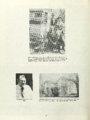
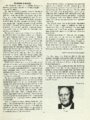
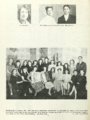
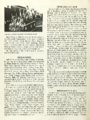
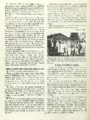
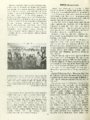
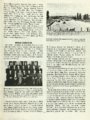
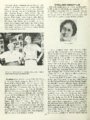
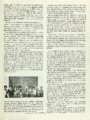
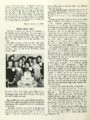
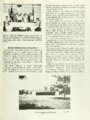
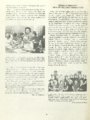
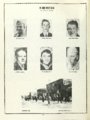
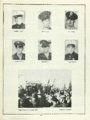
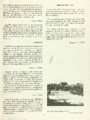
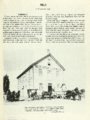
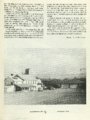
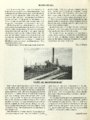
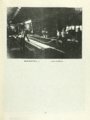
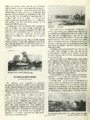
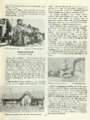
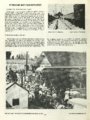
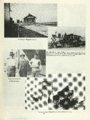
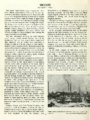
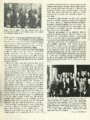
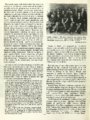
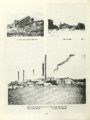
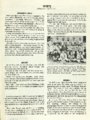
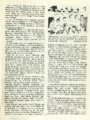
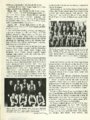
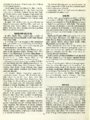
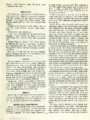
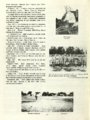
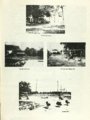
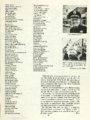
Show Valley from Sandy to Alta; and the Utah & Pleasant Valley from Provo to the coal mines of Soldier Summit. The first two operated in 1872 as independent lines, but subsequently fell under control of C. W. Scofield who pushed the tracks on to the coal fields in 1879. The three road combine was overextended financially and the smaller roads could not support the unsuccessful . U&PV. Foreclosure forced sale of the line to D&RGW in 1881 and the little lines provided a nucleus for the projected D&RGW operations. Grading contracts for that division were awarded the last of October, 1881 and grading commenced in November. Within sixty days, ninety percent of the road bed was graded and rail had been laid for seven miles south of Salt Lake City. Midvale is ten and a half railroad miles south of Salt Lake City at an altitutde of Round House· repair shop. There used to be a "round house" at Midvale and incorporating the first Denver & Rio Grande Railway in 1881 (the capitalized word is the single distinguishing feature of the early company) the present D&RGW did not come into corporate existence Welby. The engines would bring a string Bingham and the loads would be cut; they didn't have enough power to pull the full load. Numbers and sizes of the engines changed. First they started with the 1100, which was a good little freight engine; the switch engine was the 600 class; the 700 was for faster passenger cars. On the Bingham branch they used these 600 engines, then they increased the size until 1921. from 3300 to 3600. another one at of cars down from 4365 feet. After Western I remember some bad wrecks on the railroad: Frank father, Smokey LaComb, who was married to Mary Powell, was killed in one. Earlier, Harold and Kenneth Malstrom's father, Pete, was pinned between LaComb's two cars and killed. get the freight out of Midvale, they would double up on engines and-push the cars to Welby, then split the train, sending some to Garfield and the rest to Bingham and Lark. The old "Bingham Bill" train ran twice a day, eventually it was reduced to once a day. We think it was named after Bill Cunningham, the conductor. It was just a little two or three car affair that ran from Salt Lake to Bingham through Midvale. To Bingham Junction (Midvale) Railroad Depot. Wilford Bennett operator RAILROAD MEN AND MEMORIES one Drown ran the were crew Charles Drown. Some and his front end brakeman men of the station master and telegraph things was station Depot for many years. I remember about the railroad was hand car, tie it on to the end of the train and ride to Welby where we would cut it loose. We how important in Midvale's development with lots of activity on the Center Street tracks. Instead of being level with the road, they were elevated two and a half feet; when you left Main Street going north or south you went up over the hump. Some of the men on the Garfield local: Pat Sullivan, engineer, and Jim "Shorty" Landers, fireman. AI railroads was a D & R G and Merle Thornton master at the Smelter by Arnold Francom The on we would steal a would pick up momentum until by the time we came through the Redwood Road and Thirteenth West area did meet e were going like a bat out of hell. We never was left the Rio Grande and went to the B. & G. (Bingham and Garfield). Charles Ferguson, Jack Redman, a Mr. Shepard and Charles B. Hand were early railroad men. Fred Haskins and Ferrol Phelps were engineer and fireman on the switch engine. Others were: Fred Strossel, Frank Ferguson of the Rio Grande, Jack Brown, Dan Cameron, Mr. Maycroft, N. O. Drown, LaDrue Drown, Glen Drown, Roy Watson and Stan Hayward. over Railroad 226 depot; tower. 1910. Blinn's saloon, left; comfort station and water courtesy Mr and Mrs Loren Jenkins |