| OCR Text |
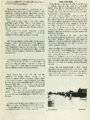
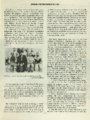
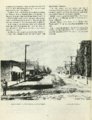
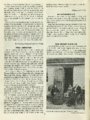
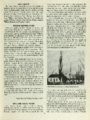
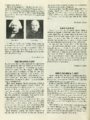
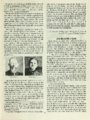
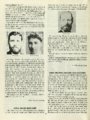
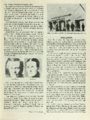
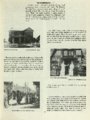
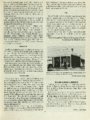
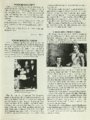
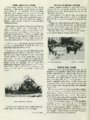
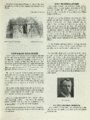
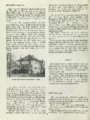
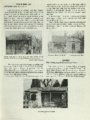
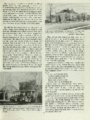
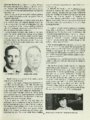
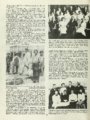
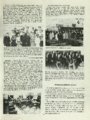
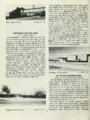
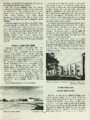
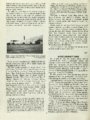
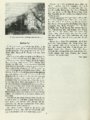
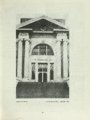
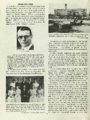
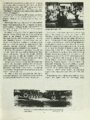
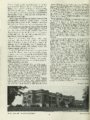
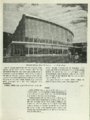
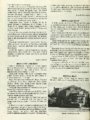
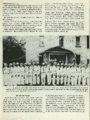
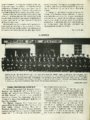
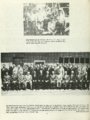
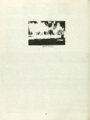
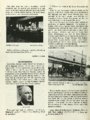
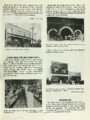
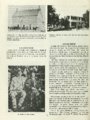
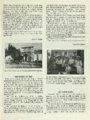
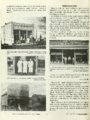
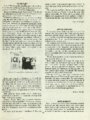
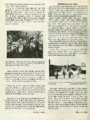
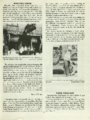
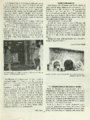
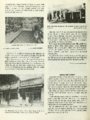
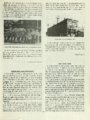
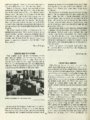
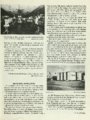
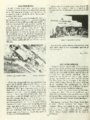
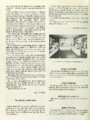
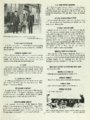
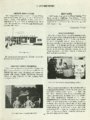
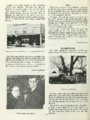
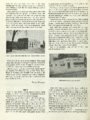
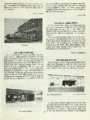
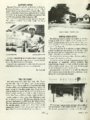
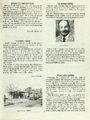
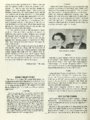
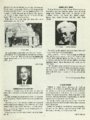
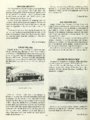
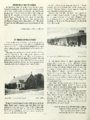
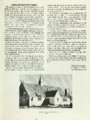
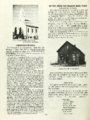
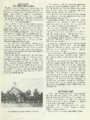
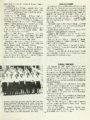
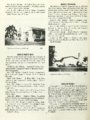
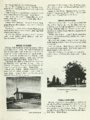
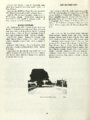
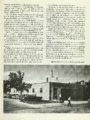
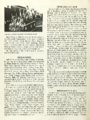
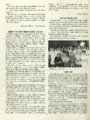
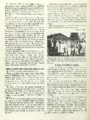
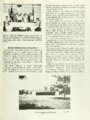
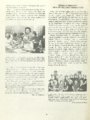
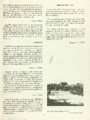
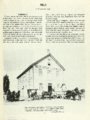
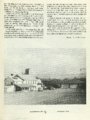
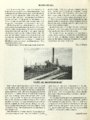
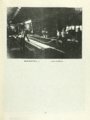
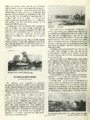
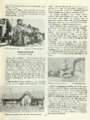
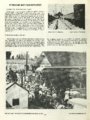
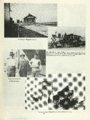
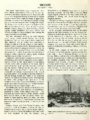
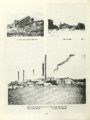
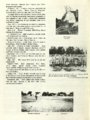
Show south of 9000 South and ran north (as the river runs) along higher ground just under the This complex of homes and industry was the begin ning of settlement in this area. In 1867, a very important year in the development of Midvale, work was com menced on a ditch conveying water from Little Cotton hill west of the river until it reached the road that became the Highway. Bingham hard, dry soil found in this area the difficult, but water was the only source With the work was very of power to turn the mill wheels. wood Creek onto the bench where Midvale After the saw mill was built, logs were brought from Bingham Canyon and lumber was made with which to Jordan River for irrigation purposes. With this water resource, homes were built in both directions from the build river and a The South Jordan canal flour mill. This lumber of the first was some sawed in Utah. The mill built with this lumber was a small one. Marinda Allen Bateman says in her diary, "the mill was small. It had One of the grinding large the flour can be run seen near which the was was built in the same mill with two stories mill stones were used in present site of the West Jordan Mill." In the winter of 1853 mill a new place. This was a much larger and an enlarged capacity. Burr used to grind turned the mill wheel. After the mill was completed the first dug now stands. west of the people settled in was this section of the known east and west of the river as West Jordan. By the 1890's two communities were distinguishable with the river as the dividing line. The flour mill was important to the communities because it gave the farmers an outlet for the grain they produced and provided a means of obtaining flour for families and feed for animals. It was an important event when the mill was made into a roller mill which speeded the milling process. slanting roof and two runs of stones. a stones from 'the more Valley which ever was the flour and water on December 21, 1853 a big housewarming dance was held in the building. The first millers were Frederick A. Cooper and Daniel Rapalyea Allen. Some of the other millers were Samuel Bateman, Frank J. Moedl, George A. Hender son, Harold (Red) Fox and Leonard Brown. A number of other industries came to this same locality during the next few years: a blacksmith shop, a woolen mill, a mattress factory, a tannery, a broom fac tory, a store and a post office. The woolen mill, mat tress factory and tannery were clustered around the saw and flour mills because they were also run by the water from the mill On May 15, rock church race. 1861 the' cornerstone across was laid for a little the street from the mill. When it was Frank Moedl's Mill finished, the "Rock Church" became the center of ac tivity for religious and social life in the whole area. Dances were held and dramas were presented there in addition to religious services. People came from as far was a thriving business. The produced good quality products of White known by Lily. There were three kinds of white flour: High Patent, Straight Grade Baker No.1, and Graham Flour. They made Germade Cereal. Bran, shorts and middling were left from flour milling as were the screenings that were used for chicken feed. The animal feed was rolled oats, chopped barley, whole By West as State Street on the east and from considerable distances both north and south to socialize with their friends at the activities at the Rock Church. This church by the LDS Church, but is Camp of theD.U.P. on leased by the Archibald Gardner a ninety-nine year lease. Behind and was a short distance to the west of this church as the "Mud Temple" made of adobes. There was also another Temple" name corn, cracked corn and screened wheat. Most of the flour sold was bagged in 50 lb. sacks, the cereal in 5 or 10 a small school known because it was building called the "Mud milling Jordan Mill the away still stands and is owned the 1900's lb. sacks and the animal feed in 100 lb. sacks. The sacks for flour and cereals were a good grade of muslin with behind the C. I. Goff mortuary on Center) that school. Sarah Nilson (Mrs. Niels Lind) told her family of walking to the first "Mud Temple" west of the river to school before schools were built east the name White Lily printed on each sack. The animal feed was put in gunny sacks made of jute or hemp. These sacks were utilized by thrifty women. of the river. Also west of this church was a brick yard where "substantial" bricks were made and fired, as West store and hall (the first Goff was well used for as a adobe brick. ' Years later Edward A. Bateman was manager of the Jordan' mill until he retired because of poor health. The Aylett Brothers bought the mill and ran it 220 for many years following which the Draper Poultry and |